AI Competition in the U.S. Military: Filling the Void Left by Anthropic's Removal
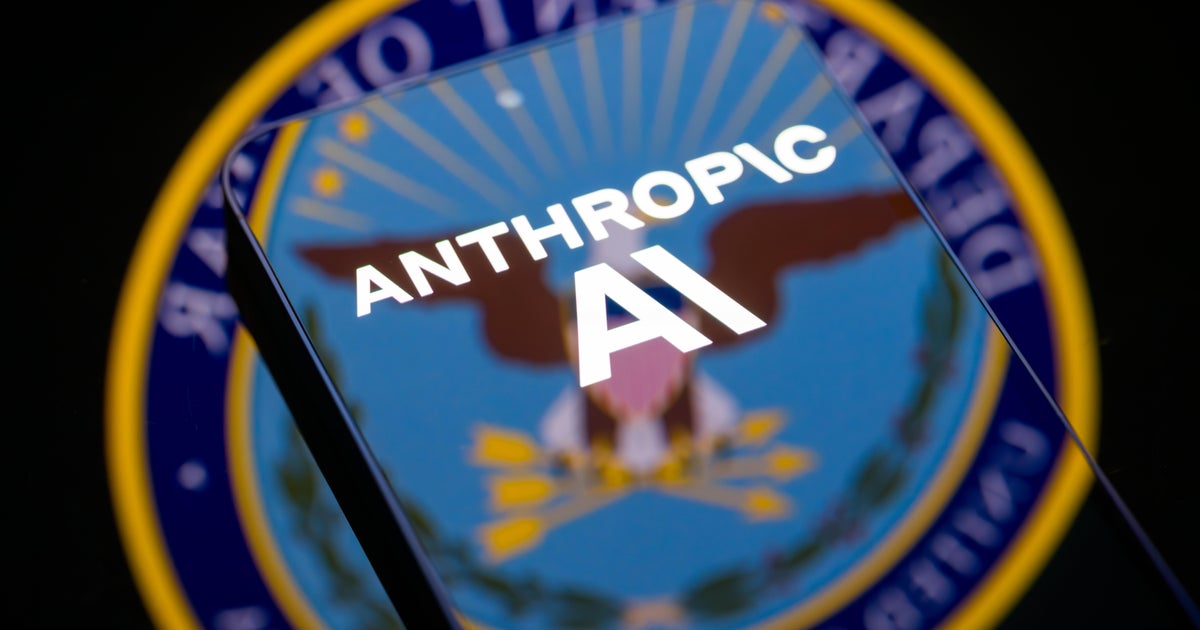
The recent removal of Anthropic's AI systems from the Pentagon has sparked a competition among major artificial intelligence companies vying to fill the void and influence the integration of AI into the U.S. military. The Pentagon's decision to phase out Anthropic's technology within six months has raised concerns about national security implications, particularly in critical areas like nuclear weapons, ballistic missile defense, and cyber warfare.
While the exact deployment of AI tools by the military remains undisclosed, experts suggest that AI is being used to process vast amounts of data, analyze battlefield information, and optimize military strategies. The rapid advancement of AI technology has revolutionized military operations by enabling real-time decision-making and enhancing efficiency in target identification and strike planning.
Anthropic's large language model, Claude, has been a key AI system operational within the Defense Department's classified systems. AI is not limited to combat operations but also plays a role in administrative functions such as research, policy development, and procurement. The goal is to leverage AI technology to enhance operational capabilities while ensuring compliance with regulations and ethical standards.
Despite the significant role of AI in military operations, human oversight and traditional defense technologies remain essential components on the battlefield. While AI accelerates the planning and execution of war fights, human decision-makers ultimately control the targeting process. The integration of AI into military operations has streamlined processes and reduced operational timelines, but human involvement remains crucial in critical decision-making.
The ongoing legal battle between Anthropic and the Pentagon underscores the complexities surrounding the use of AI in defense operations. As other companies like Google explore opportunities to provide AI solutions for military applications, the debate over ethical AI usage and regulatory compliance continues. The evolving landscape of AI in the military highlights the need for clear guidelines and ethical frameworks to govern its deployment in national security contexts.