The Pastor Michael Jennings Case: Police Authority and Identification Rights in Alabama
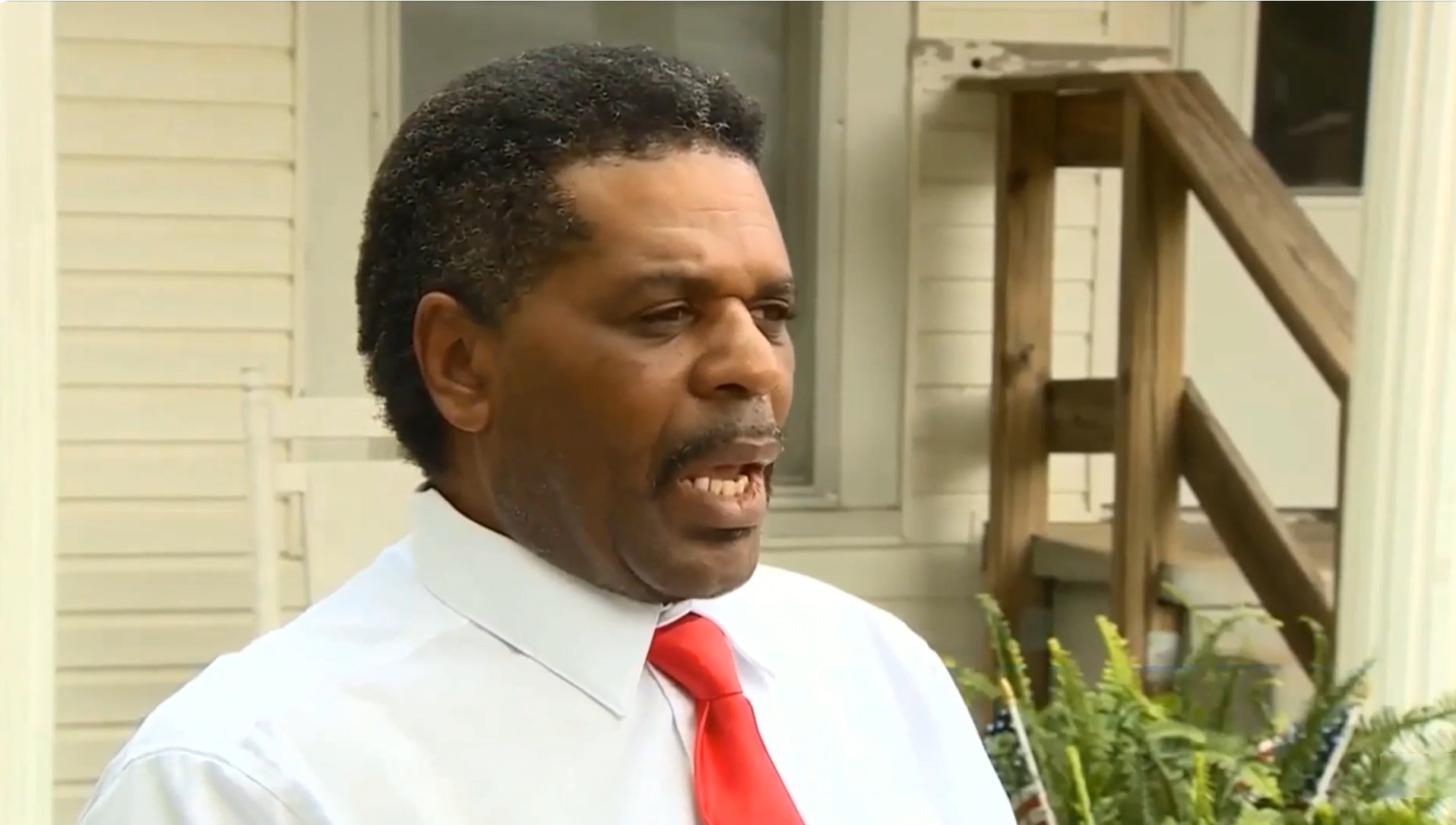
Police officers have the authority to request physical identification from individuals during investigative stops if they provide incomplete or unsatisfactory responses, as ruled by the Alabama Supreme Court in the case involving former police officer and Pastor Michael Jennings. The incident in question occurred in 2022 when Jennings was arrested while watering a neighbor's plants, leading to a legal battle that reached the state's highest court. The court's decision emphasized that suspects must fully identify themselves during certain police encounters, with the majority opinion supporting the officers' right to request identification based on reasonable suspicion of criminal activity.
The ruling by the Alabama Supreme Court, led by Chief Justice Sarah Hicks Stewart and Associate Justices Greg Shaw, Kelli Wise, Tommy Bryan, William B. Sellers, Brady Mendheim, Jr., Greg Cook, Chris McCool, and Will Parker, affirmed the legality of police officers' actions under Ala. Code § 15-5-30. The court's decision highlighted the officers' authority to demand physical identification when there is reasonable suspicion of felony or public offense involvement. However, some justices, including Stewart, expressed reservations about the court's intervention in the case, questioning the application of Alabama law in the context of the legal proceedings.
The dissenting opinion, articulated by Mendheim and supported by Stewart and McCool, argued against the court's involvement in the case, citing concerns about the proper use of legal procedures. While acknowledging the officers' right to request identification under specific circumstances, the dissenting justices emphasized the importance of respecting the jurisdiction of federal courts and maintaining principles of comity. The dissenting opinion raised questions about the court's decision to address the issue of police officers' authority to demand physical identification in the case involving Pastor Jennings.
The 2024 ruling by the Eleventh Circuit Court of Appeals, which overturned a lower court's dismissal of Jennings' lawsuit against the officers and the city of Childersburg, highlighted the lack of probable cause for Jennings' arrest. The appeals court emphasized Jennings' constitutional rights and the absence of legal obligation to provide identification, leading to the reversal of the district court's decision. The body camera footage of the arrest depicted Jennings asserting his innocence and explaining his presence at his neighbor's property, ultimately leading to his arrest without probable cause.
The encounter between Pastor Jennings and the police officers, captured on the body camera video, showcased the disagreement over Jennings' identification and the subsequent arrest. Despite Jennings' attempts to clarify his identity and purpose at the neighbor's property, the officers proceeded with the arrest, leading to a contentious exchange between Jennings and the officers. The appeals court's ruling highlighted the retaliatory nature of Jennings' arrest, stemming from his objections to the officers' conduct during the encounter.
In conclusion, the legal battle involving Pastor Michael Jennings and the police officers in Childersburg, Alabama, underscored the complexities of police interactions and the requirements for suspects to provide identification during investigative stops. The Alabama Supreme Court's ruling affirmed the officers' authority to request physical identification based on reasonable suspicion, while dissenting opinions raised concerns about the court's intervention in the case. The 2024 appeals court ruling emphasized Jennings' constitutional rights and the lack of probable cause for his arrest, shedding light on the challenges faced by individuals in police encounters.