Trump's War Against Iran: The Threat to Democracy and Global Stability
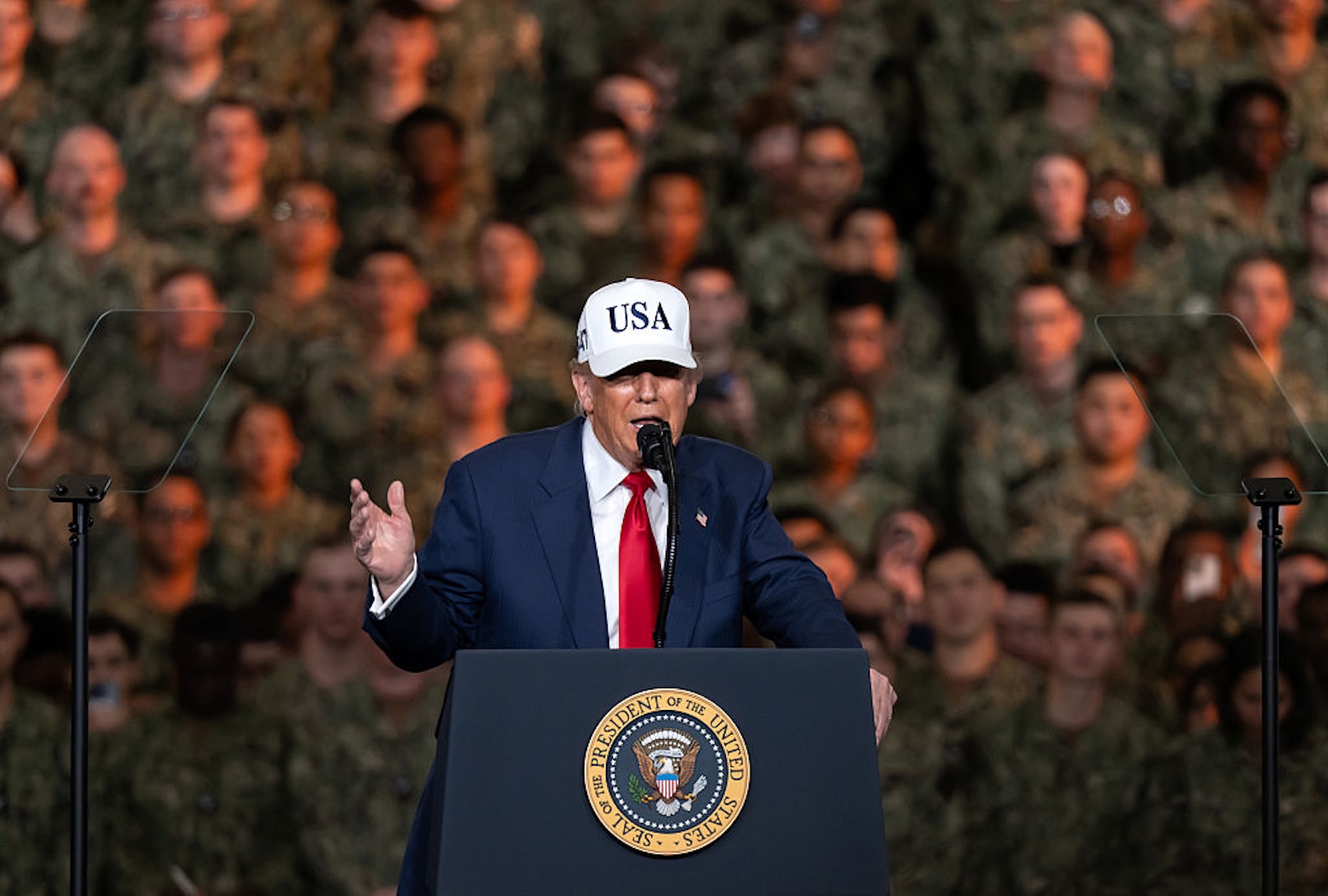
President Trump's escalating conflict with Iran has raised concerns about a potential ground invasion to seize control of the country's oil reserves. Military and foreign policy experts warn that such a move could have disastrous consequences for the U.S.'s global standing. Despite the risks, Defense Secretary Pete Hegseth has authorized the deployment of a Marine Amphibious Expeditionary Unit to the Middle East, signaling a heightened military presence in the region.
The possibility of reinstating a military draft to support a war with Iran faces significant challenges, both practical and political. The draft has not been part of American culture for decades, and public support for such a measure is uncertain. The lack of a clear rationale for the conflict further complicates the prospect of implementing a draft, as public skepticism about the war's necessity persists.
A draft would imply that the U.S. is facing an existential threat from Iran, a narrative that has not been convincingly presented to the American public. Without a compelling justification for military conscription, the political feasibility of implementing a draft remains in question. The potential backlash from an unpopular war and the implications for future elections could further complicate the administration's decision-making.
The Trump administration's shifting justifications for the conflict with Iran have raised doubts about the true motives behind the war. From self-defense to regime change, the administration's explanations have been inconsistent and lacking in credibility. The prospect of a draft and the broader implications of the conflict underscore the need for a coherent and transparent rationale for military action.
As the conflict with Iran continues, Trump's approval ratings remain low, and public opposition to the war is growing. The administration's failure to achieve its objectives in Iran has highlighted the strategic challenges of the conflict. The economic costs of the war and its impact on inflation and job market stability further underscore the need for a reassessment of the administration's approach.
Beyond the immediate consequences of the war with Iran, there are concerns about the administration's broader agenda. The potential for a permanent state of emergency and further erosion of democratic norms raise alarm about the administration's authoritarian tendencies. The use of federal agents and military forces to influence election outcomes and suppress dissent represents a dangerous escalation of executive power.
Trump's military adventurism and aggressive foreign policy reflect his personalistic approach to governance. His disregard for democratic norms and institutional constraints poses a threat to the country's democratic foundations. The administration's unilateral decision-making and lack of accountability underscore the dangers of unchecked executive authority.
The underlying motives behind Trump's war against Iran are intertwined with the broader democratic crisis facing the country. As Trump's grip on power weakens, his actions become increasingly erratic and dangerous. The absence of institutional checks on his authority and the complicity of the Republican Congress raise concerns about the erosion of democratic norms and the rule of law.
The escalating conflict with Iran is a symptom of Trump's authoritarian tendencies and his disregard for democratic principles. The administration's pursuit of military action without a clear strategy or rationale reflects a broader pattern of unilateral decision-making and executive overreach. The consequences of Trump's war against Iran extend beyond the immediate conflict to the future of American democracy.
In conclusion, Trump's war against Iran represents a dangerous escalation of conflict with far-reaching implications for the U.S. and the world. The administration's disregard for democratic norms and institutional constraints poses a threat to the country's democratic foundations. As the conflict continues, the need for accountability and transparency in decision-making becomes increasingly urgent to prevent further erosion of democratic principles.