Shifting Views on Israel: Impact on Democratic Primaries and the 2028 Presidential Race
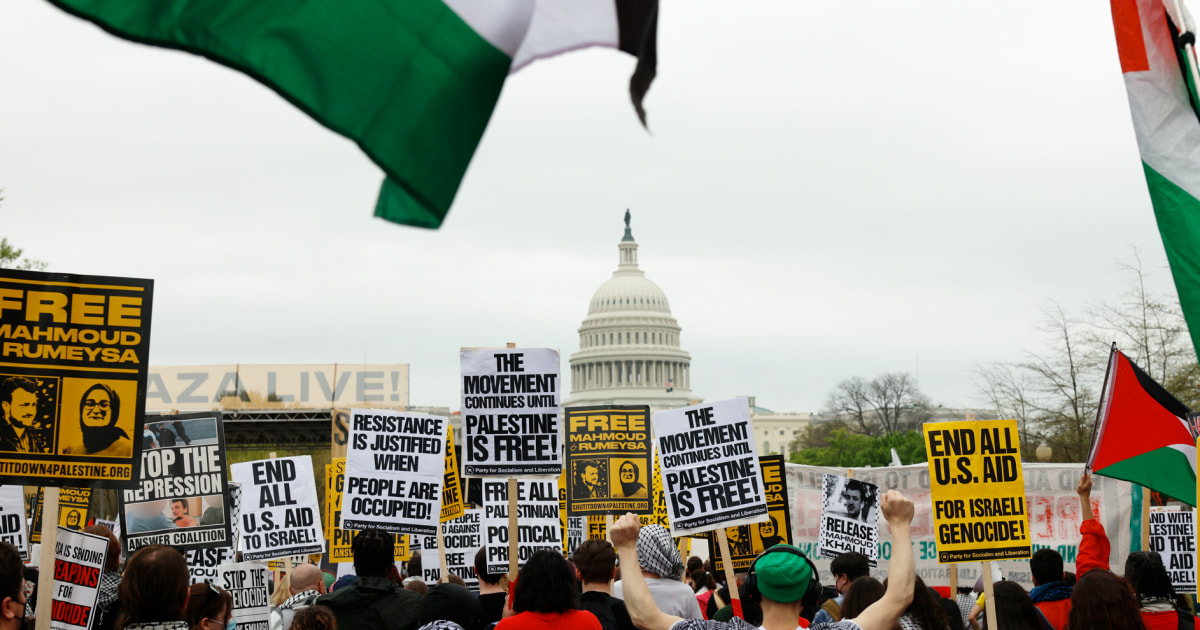
The landscape of American voters' opinions on Israel and the Palestinian territories has undergone a significant transformation in recent years, particularly within the Democratic Party and its primaries. A recent NBC News poll highlights this shift, with more registered voters now viewing Israel negatively compared to a few years ago. The change is most notable among independents and Democrats, leading to divided congressional primaries in 2026 and potentially influencing the party's 2028 presidential race.
When asked about their sympathies towards Israelis or Palestinians, the poll reveals a split among registered voters, with 40% siding more with Palestinians and 39% with Israelis. This marks a departure from the numbers in 2013, where the majority favored Israelis. Notably, two-thirds of Democrats now align with Palestinians, contrasting with Republicans who predominantly support Israelis.
The data also indicates a shift in how Democrats and independents perceive Israel and a Palestinian state. Nearly 60% of Democrats and almost 50% of independents now view Israel negatively, a change from previous years. Similarly, there has been a more favorable view of the Palestinian territories among these groups.
The survey conducted from late February to early March coincided with the U.S. and Israel's actions against Iran but preceded an attack on a Michigan synagogue labeled as a targeted act of violence against the Jewish community by the FBI. The generational divide is evident in the survey, with young voters increasingly skeptical of Israel, showing a significant shift in their views compared to previous years.
These changing sentiments are fueling debates within the Democratic Party, from congressional caucuses to primary elections, where candidates are shaping the party's future. The 2028 Democratic presidential primary is expected to be influenced by these evolving perspectives on Israel, setting the stage for a different discourse than seen in previous contests.
The aftermath of Hamas' 2023 attack on Israel and the subsequent military campaign has been a pivotal moment for many voters, leading to divergent views within the Democratic Party. While some Democrats and pro-Israel groups emphasize the existential threats faced by Israel and advocate for unwavering support, progressives have become increasingly critical of Israel's actions, particularly in Gaza.
Progressive candidates are leveraging this issue to pressure their Democratic primary opponents, as seen in recent races where candidates' stances on Israel have played a significant role in shaping the outcomes. The influence of pro-Israel groups like AIPAC and UDP in funding campaigns has sparked tensions within the party, with progressives questioning the impact of such financial support on primary elections.
The ongoing debates over Israel policy are unfolding in various Democratic districts, including Chicago, where retirements have created a power vacuum ahead of the upcoming primaries. The contests in these districts are characterized by competitive fields and heated discussions on the future direction of the Democratic Party, underscoring the significance of Israel policy as a defining issue in shaping the party's trajectory.