Navigating the Political Landscape: The Rivalry Between Rubio and Vance Amid Trump's Iran Actions
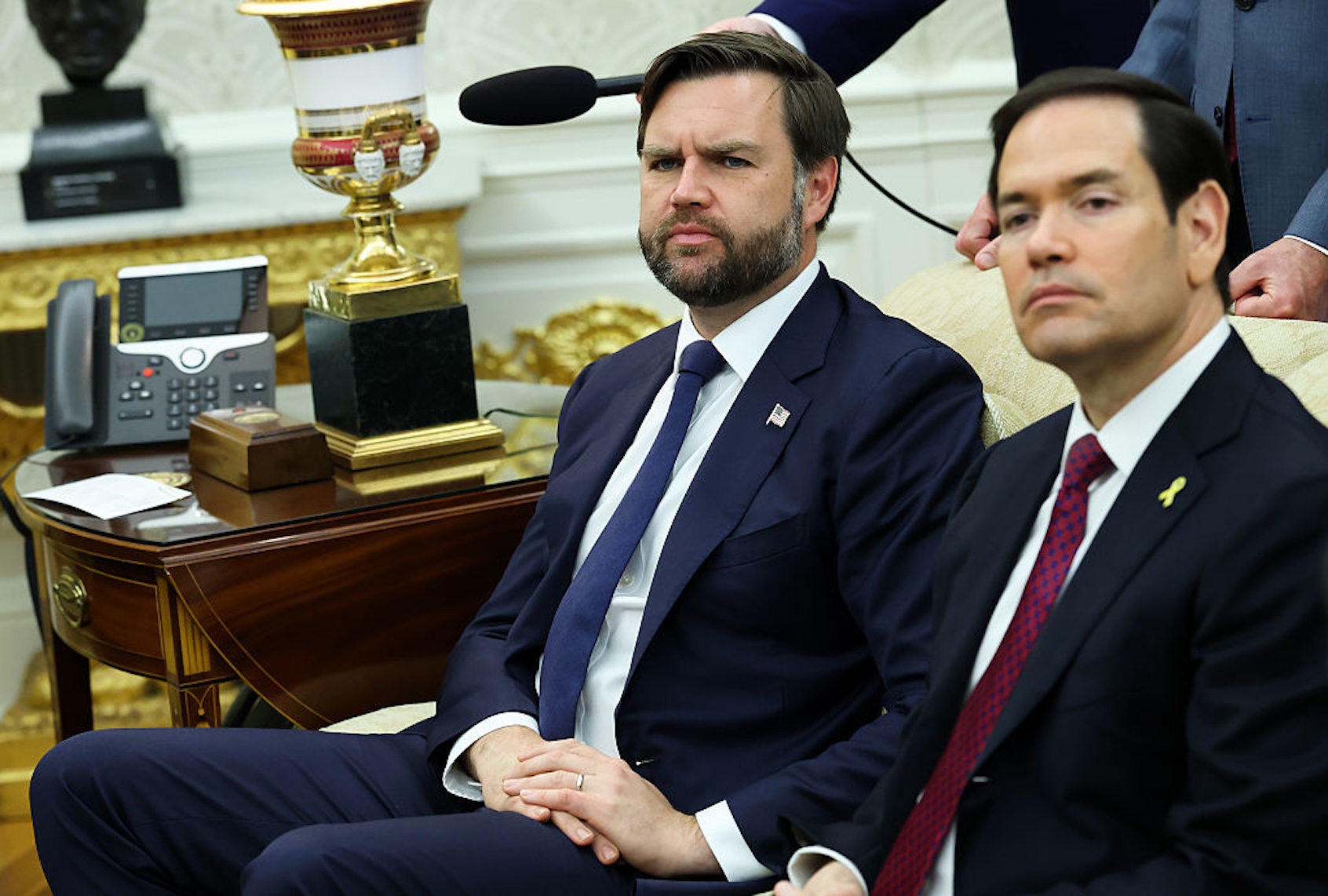
Presidents have historically acknowledged the need to consult Congress before initiating military actions, even if they ultimately proceed without full approval. In the case of Donald Trump's actions in Iran, it appears that he bypassed this customary step altogether. This lack of consultation has put Democrats in a difficult position, as they have traditionally been more divided on matters of war compared to the more unified Republican stance. As Trump's Iran situation escalates, Republicans are now facing their own internal divisions, particularly evident in the rivalry between Vice President JD Vance and Secretary of State Marco Rubio, who seem to be positioning themselves for the 2028 Republican nomination.
The historical context of the Iraq wars sheds light on the challenges faced by Democrats when it comes to war decisions. The first Iraq war in 1991 highlighted the party's internal divisions, with some Democrats voting against military action and facing backlash for being perceived as unpatriotic. This dynamic repeated in 2003 when many Democratic presidential hopefuls supported the war, only to see it turn into a disaster. The fluctuating public opinion during these wars underscores the unpredictability of war outcomes and the importance of leaders voting based on conscience rather than political expediency.
Trump's unpopular actions in Iran have not deterred Rubio, a known hawk, from advocating for war. Rubio's alignment with Trump's foreign policy has positioned him as a potential successor within the Republican Party, with Trump's support evident among party donors. In contrast, Vance, seen as a frontrunner in public polling, has been more cautious in his approach to military actions, potentially waiting to see the outcomes before fully committing. The strategic moves of both Rubio and Vance reflect the delicate balance of aligning with Trump's policies while also safeguarding their political futures.
The political landscape for Republicans, as exemplified by the rivalry between Rubio and Vance, underscores the risks of tying one's political fortunes to the outcomes of wars. Drawing lessons from the Democrats' experiences with the Iraq wars, both Rubio and Vance face the challenge of navigating Trump's foreign policy decisions while maintaining their own political identities. The uncertain outcomes of the current situation in Iran suggest that the political prize they are vying for may not be as desirable as it seems.