Middle East Escalation: Trump's Call for Coalition in the Strait of Hormuz
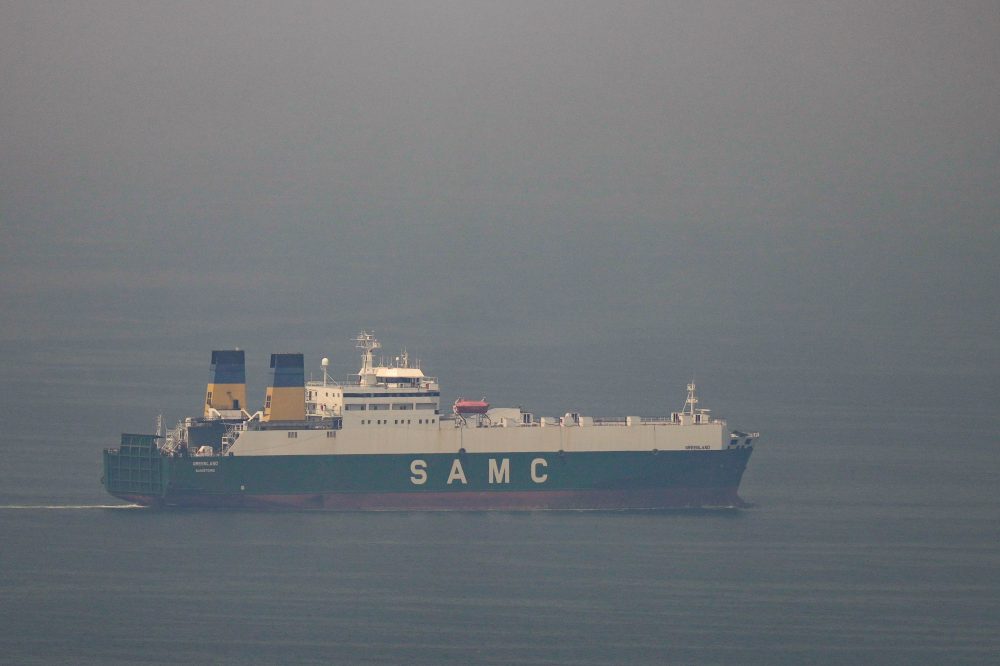
The current situation in the Middle East has escalated as U.S. President Donald Trump has called for seven countries to send warships to the Strait of Hormuz to ensure it remains open. Iranian strikes have targeted Gulf countries, leading to disruptions in the region. Dubai International Airport, the busiest in the world, had to suspend operations due to a drone strike on a fuel tank, causing a fire that was quickly contained with no reported injuries. Tehran has accused the United States of using facilities in the United Arab Emirates to launch attacks on Kharg Island, a key terminal for Iran's oil exports, leading to a spike in oil prices.
Trump is in talks with countries heavily dependent on Middle East oil to form a coalition to safeguard the waterway where a significant portion of the world's oil is transported. However, he has not disclosed the names of these countries. Meanwhile, Israeli strikes have exacerbated Lebanon's humanitarian crisis, resulting in numerous casualties and displacements. The United Arab Emirates' Defense Ministry reported intercepting Iranian missiles and drones on Monday morning, highlighting the ongoing tensions in the region.
Trump is considering postponing his upcoming visit to China to increase pressure on Beijing to assist in reopening the Strait of Hormuz and stabilizing oil prices. He emphasized China's reliance on Middle East oil as a reason for their involvement in the coalition efforts. Saudi Arabia's Defense Ministry announced the downing of 35 drones in the eastern region, close to Iran and home to vital oil installations, bringing the total intercepted drones to at least 60. The Australian government stated that it would not be sending a warship to the Middle East to protect the strait, despite Trump's call for international support in the region.