The Telegraph's Future Under Axel Springer: Navigating Editorial Changes and Uncertainty
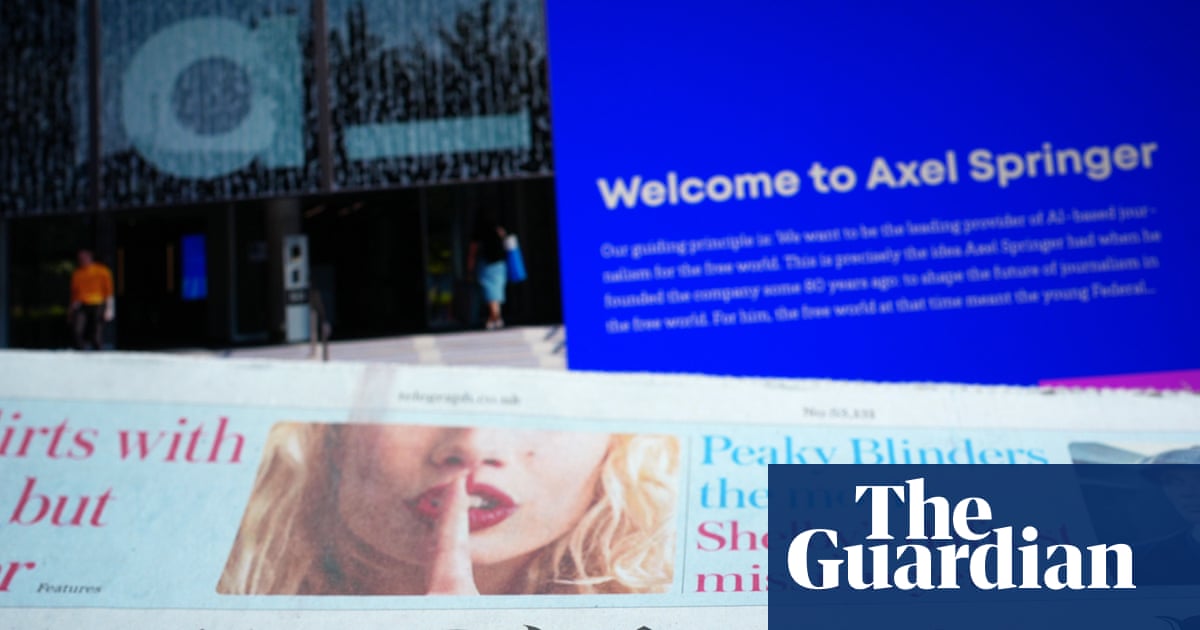
Lord Rothermere's pursuit of acquiring the Telegraph was thwarted by Axel Springer's £575m offer. Rothermere, the owner of the Daily Mail, had been eyeing the Telegraph for almost three decades. Despite being on the verge of finalizing a £500m deal, Axel Springer swooped in at the last minute to secure the acquisition. The new owner, Mathias Döpfner, has already visited the Telegraph's London office and expressed his vision of making it the leading center-right media outlet in the English-speaking world. However, there are concerns about Axel Springer's history of right-wing populism and editorial approach.
Axel Springer's acquisition of the Telegraph raises questions about potential changes in the newspaper's editorial direction. The company's commitment to certain values, including support for Israel, a free-market economy, and a united Europe, could clash with the Telegraph's staunchly anti-Brussels stance. With Döpfner's emphasis on a digital-first strategy and artificial intelligence, there is uncertainty among Telegraph staff about the future direction under the new ownership. Despite the unexpected turn of events, some employees see Axel Springer's promises of investment as a positive outcome compared to DMGT.
The bidding war for the Telegraph has far-reaching implications for the newspaper's future. While RedBird IMI, one of the prospective buyers, has exceeded its aim of recouping its investment in the Telegraph titles, Lord Rothermere's failure to acquire the newspaper could have long-term commercial consequences. The Telegraph's staff, numbering almost 900, are eager for stability and certainty regarding their new proprietor. As the ownership of the newspaper transitions to Axel Springer, there is anticipation and apprehension about the changes that may lie ahead.