Escaping Conflict: The Impact of the Iran War on Migration to Turkey
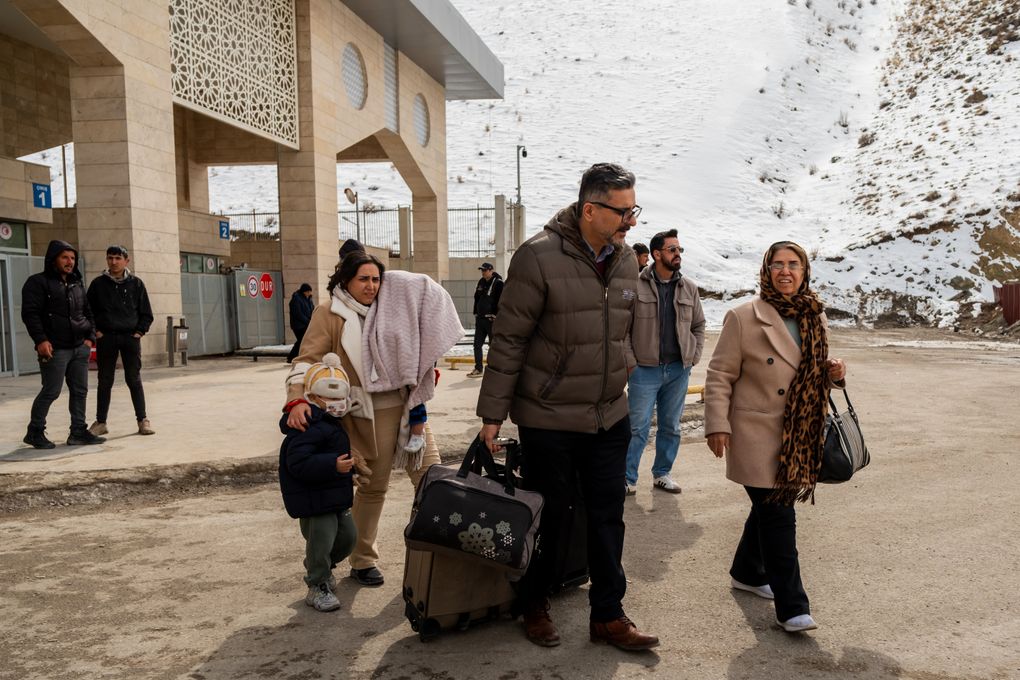
The Kapikoy border crossing in Turkey has become a crucial point for individuals fleeing the conflict in Iran. Merve Pourkaz, a hairdresser from Golestan, Iran, traveled a long distance to reach the border in hopes of finding safety in the Turkish city of Van. She is just one of the 3.2 million displaced people in Iran due to the ongoing war involving Israel, the United States, and Iran. While some are seeking refuge within Iran or neighboring countries, others are returning to Iran to protect their families and homes.
Despite the conflict, the number of Iranians fleeing to Turkey has been relatively low, with only about 1,300 individuals crossing the border each day since the war began. Some days see more people returning to Iran than leaving. However, neighboring countries and Europe are preparing for a potential migration crisis if the conflict persists. The United Nations has warned that continued fighting could lead to more Iranians fleeing their homes.
Leila Rabetnezhadfard, who was in Istanbul preparing for her wedding, decided to return to Iran to be with her family during the war. She emphasized the importance of staying with her loved ones during such uncertain times. Many Iranians are choosing to stay in place, either due to financial constraints or concerns about safety. The International Organization for Migration notes that movement out of Iran is limited as people prioritize their families' well-being and property.
If the conflict escalates and critical infrastructure in Iran is destroyed, there could be a significant influx of refugees into neighboring countries. Iran's borders with Pakistan, Afghanistan, Turkmenistan, Azerbaijan, Armenia, Turkey, and Iraq could see increased movement of people seeking safety. Turkey, which previously had an open-door policy for Syrian refugees, has now fortified its border with Iran and is preparing to accommodate Iranian refugees in buffer zones or temporary housing.
The European Union and Turkey have a history of cooperation on refugee issues, particularly during the Syrian refugee crisis. However, the renewal of their migration deal is uncertain, and anti-immigrant sentiments are rising in some parts of Europe. With another refugee crisis unfolding in Lebanon, the region faces significant humanitarian challenges. The world must be prepared to address the needs of displaced populations and provide support during these difficult times.