US Eases Sanctions on Russian Oil Purchases: Implications and Reactions
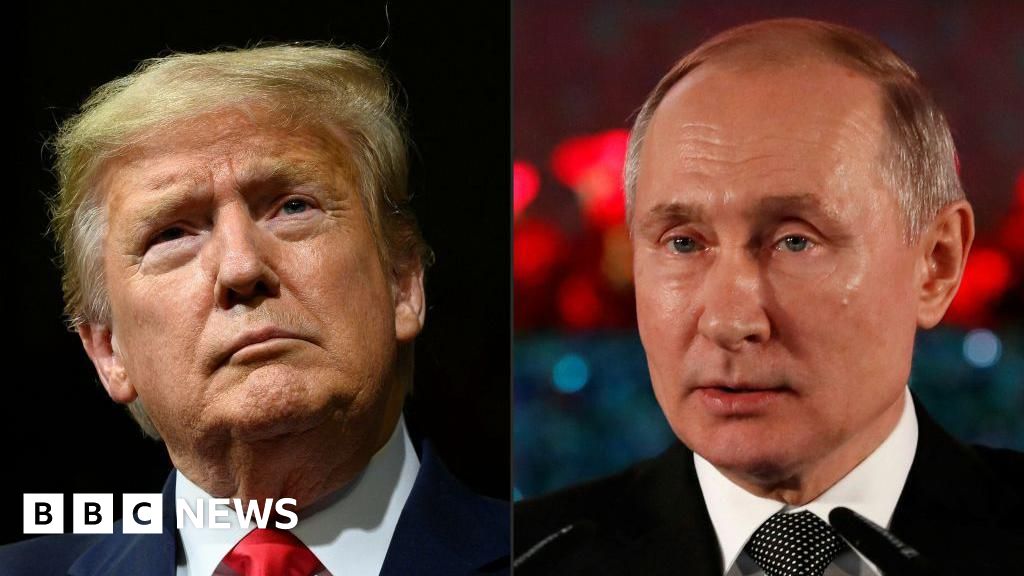
The recent decision by the Trump administration to ease sanctions on countries purchasing Russian oil has stirred mixed reactions. While the Kremlin welcomed the move, pro-Ukraine campaigners expressed deep concern. The temporary waiver allows countries to buy Russian oil that had been stranded at sea due to existing sanctions. Treasury Secretary Scott Bessent described the policy as a short-term measure to mitigate the economic impact of the US-Israel conflict with Iran.
Previously, the US had imposed a 50% tariff on Indian oil imports for allegedly buying Russian oil, which was seen as supporting the war in Ukraine. The new policy represents a significant shift in US stance towards countries purchasing Russian oil. Russian officials view this as a recognition of Russia's role in the global energy market and anticipate further relaxation of sanctions in the future.
Critics, however, argue that the easing of restrictions will benefit Putin's regime financially. Experts estimate that Russia could gain billions from increased oil exports, providing a significant boost to the government's revenue. The move comes at a time when Russia is facing economic challenges, with oil exports hitting a low point since the invasion of Ukraine in 2022.
While the impact of the US decision on global energy markets may be limited, it symbolizes a shift away from maximum pressure on Russia. Pro-Ukraine campaigners warn that allowing more Russian oil into the market will only strengthen the Kremlin's position. The move has raised concerns about inflation and energy costs, prompting calls for a coordinated international response to the crisis in the Persian Gulf.
Despite the US decision, some countries like the UK have vowed not to follow suit in easing sanctions on Russia. The Centre for Research on Energy and Clean Air predicts that Putin will capitalize on the opportunity to boost Russia's oil production and clear stranded tankers. The ongoing crisis in the Strait of Hormuz has complicated efforts to maintain pressure on Russia through sanctions, highlighting the challenges of navigating global oil supply disruptions.
In conclusion, the US decision to ease sanctions on countries buying Russian oil has sparked debate and raised questions about its implications for global energy markets and geopolitical dynamics. While some view it as a necessary measure to address economic challenges, others warn of the potential consequences for regional conflicts and the balance of power. The situation remains fluid, with stakeholders closely monitoring developments in the energy sector and international relations.