Unconventional Connections: Juleanna Glover's Interactions with Jeffrey Epstein and the Political Landscape
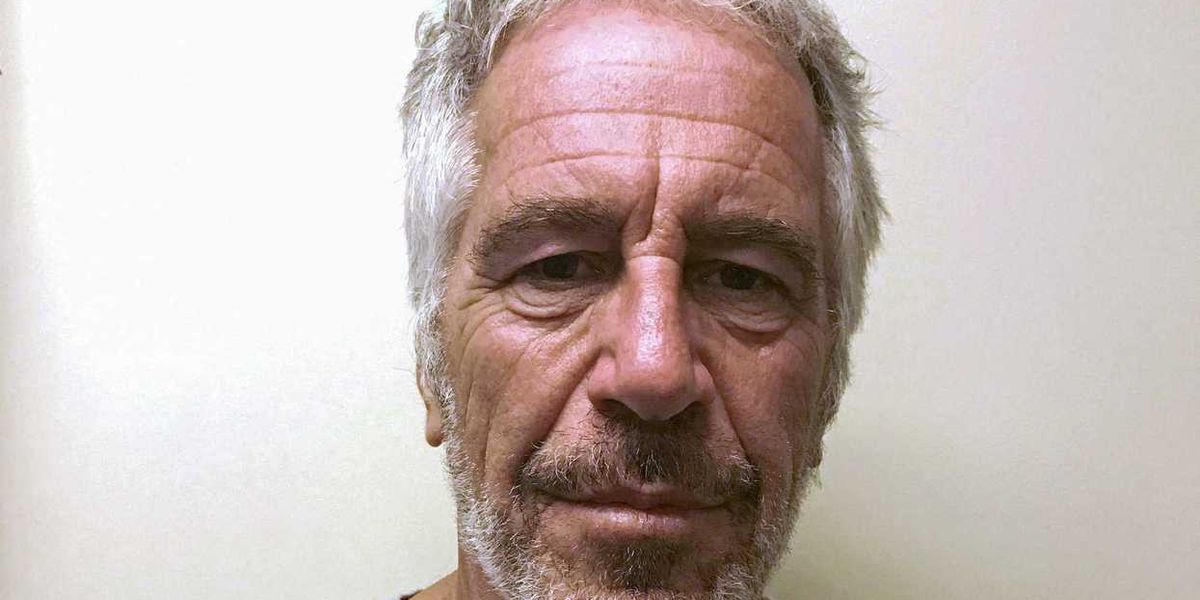
A prominent Washington strategist, Juleanna Glover, advocated for a third-party presidential candidate during Donald Trump's presidency, while also engaging in email exchanges with Jeffrey Epstein, the convicted sex offender. Glover proposed various unconventional presidential ticket combinations to Epstein, including figures like Sheryl Sandberg, Larry Hogan, Nikki Haley, and Bill Gates. Despite her claims of seeking information to undermine Trump's reelection, there is no evidence of her soliciting such information from Epstein. Their correspondence, focused on third-party campaigns and business matters, sheds light on how influential individuals interacted with Epstein, treating him as a wealthy acquaintance rather than a convicted criminal.
Glover's relationship with Epstein involved dozens of emails, in-person meetings, and calls, as revealed in the Department of Justice's released files. While Glover emphasized that their interactions were limited and focused on logistics and Tesla-related matters, the extent of their communication highlights Epstein's connections across the political spectrum. Glover, a former White House aide and political adviser, had transitioned to advising executives and corporations on media strategies, hosting various events at her Kalorama townhouse to build her network.
Their interactions began through a mutual acquaintance, journalist Michael Wolff, who introduced Glover to Epstein in 2017 while she was consulting for Elon Musk. Glover's efforts to engage Epstein in discussions about Musk's business dealings and media coverage demonstrate a collaborative relationship rather than a traditional adviser-client dynamic. Epstein provided feedback on media interviews involving Musk, showcasing the give-and-take nature of their exchanges.
Glover's firm, Ridgely Walsh, specializes in public affairs services, as evidenced by her strategic matchmaking between Epstein and a democracy nonprofit seeking funding. Despite Epstein's tainted reputation, Glover facilitated a conversation between him and the nonprofit's leadership, aiming to channel his interest in philanthropy towards supporting pro-democracy efforts. While some connections did not materialize into tangible outcomes, Glover's intent was to leverage Epstein's resources for positive causes, such as promoting democracy in Russia and Eastern Europe.
In conclusion, Juleanna Glover's interactions with Jeffrey Epstein reveal a complex relationship that transcended political boundaries and business interests. While her engagement with Epstein raised ethical questions, Glover's efforts to steer his resources towards philanthropic endeavors underscore her strategic approach to leveraging connections for societal good. The nuanced dynamics of their correspondence shed light on the complexities of engaging with controversial figures in pursuit of broader objectives.