Escalating Conflict: Iran-Israel War Updates and Implications
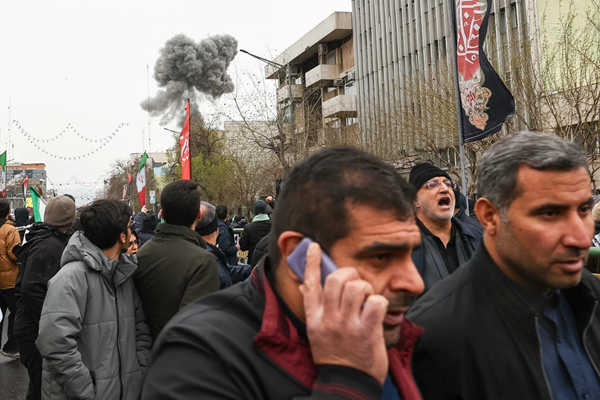
A significant explosion shook an area in Iran's capital during an annual state-organized rally supporting the Palestinians and denouncing Israel. Despite Israel's warning to target the central Tehran area, there were no immediate reports of casualties. The ongoing war between Iran and Israel has led to widespread missile and drone attacks, with Iran vowing to keep the Strait of Hormuz closed. The global economy has been affected, with Brent crude oil prices remaining high at over $100 per barrel.
The U.S. military confirmed the death of all six airmen aboard a KC-135 refueling aircraft that crashed in Iraq. The crash was not related to enemy fire, adding to the series of aircraft incidents during the conflict. The explosion at Ferdowsi Square disrupted the annual Quds Day rally, where attendees chanted anti-Israel and anti-America slogans. Israel had issued a warning before the blast, but the internet shutdown in Iran limited the dissemination of the message.
The Israeli military targeted Iran's infrastructure in a new wave of strikes, hitting over 200 targets in 24 hours. The conflict has escalated with daily attacks on oil and infrastructure in the Gulf region. Saudi Arabia reported downing nearly 50 drones sent in waves, while Oman and Dubai experienced drone-related incidents. The war has caused casualties and displacement in Lebanon and Iran, with both sides continuing to engage in military actions.
In conclusion, the ongoing conflict between Iran and Israel has escalated, leading to casualties, infrastructure damage, and economic repercussions. The situation remains volatile, with both sides continuing military operations and facing international concerns about the impact on global stability.