The Silicosis Crisis: The Health Risks of Engineered Quartz Countertops
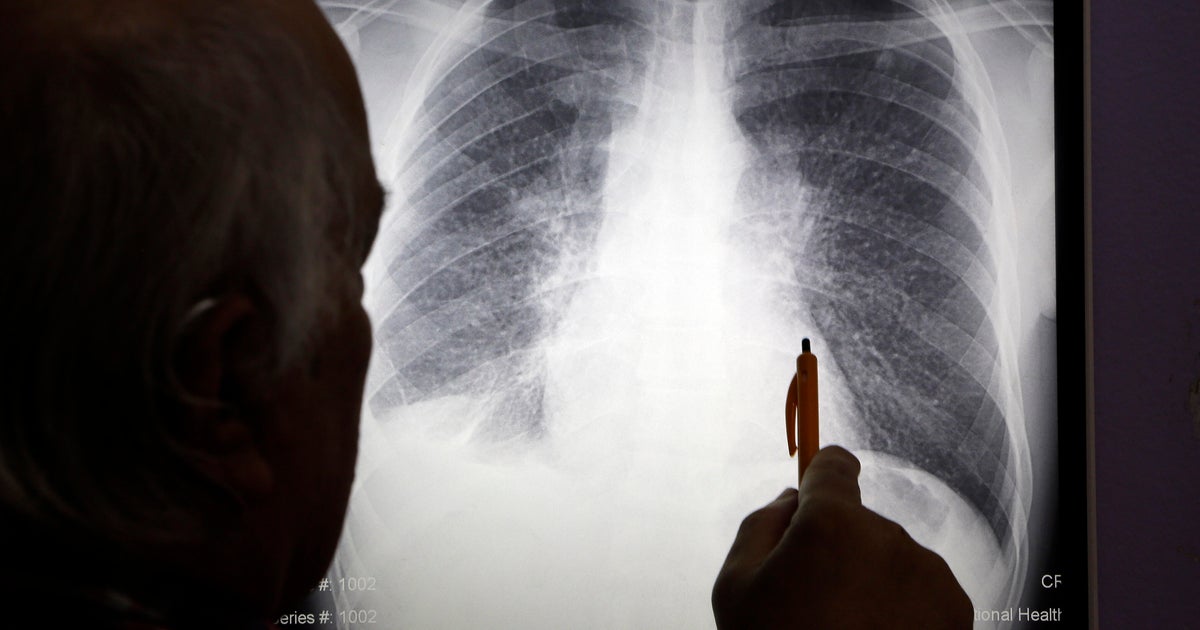
Engineered quartz countertops have become increasingly popular in the home renovation market, with the global market for engineered stone estimated at around $30 billion. The rise in demand for quartz surfaces has led to a surge in cases of silicosis among workers in the countertop fabrication industry, particularly affecting younger Hispanic men. The dust generated from cutting and polishing engineered stone contains crystalline silica, which can scar the lungs and lead to irreversible lung disease.
César Manuel González, a former countertop worker, was diagnosed with silicosis in 2023 after years of exposure to crystalline silica dust. He underwent a lung transplant to extend his life, but the procedure comes with significant challenges and risks. The prevalence of engineered-stone-associated silicosis has been on the rise in the United States, with cases reported in various states across the country.
Manufacturers argue that proper safety measures such as ventilation, wet cutting, and respirator use can mitigate the risks of working with engineered stone. However, workers and physicians claim that the high levels of crystalline silica in the material make it difficult to handle safely on a large scale. The debate over responsibility and liability has led to numerous lawsuits filed by workers against manufacturers, alleging failure to warn about the risks associated with the product.
The resurgence of silicosis in the countertop fabrication industry has raised concerns about the safety of working with engineered stone. The high silica content in the material poses a significant health risk to workers, leading to a growing number of cases of silicosis among young men in the industry. Efforts to address the issue include legislative measures to regulate the fabrication of engineered stone and protect workers from exposure to hazardous dust particles.
In conclusion, the increasing prevalence of silicosis among workers in the countertop fabrication industry highlights the urgent need for stricter safety regulations and better protection for workers exposed to crystalline silica dust. The debate over responsibility and liability in cases of engineered-stone-associated silicosis underscores the importance of addressing workplace health hazards and ensuring the well-being of workers in industries where exposure to hazardous materials is a significant risk.