Title: "Iran-Israel Conflict Escalation: Impact on Trade Routes, Energy Markets, and Regional Stability
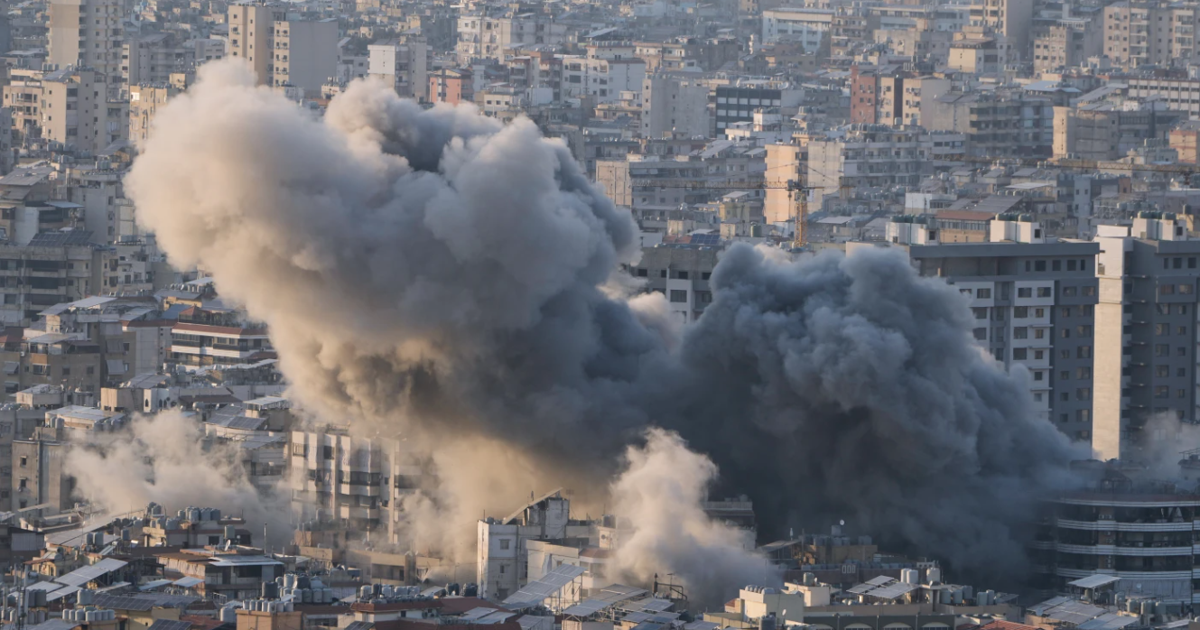
Iran has escalated its military actions by firing on commercial ships and targeting Dubai International Airport, causing disruptions in trade routes and threatening air traffic in the region. The conflict between Iran and Israel, supported by the United States, has led to a series of airstrikes and retaliatory attacks, impacting the stability of the Persian Gulf.
Reports suggest that Iran's new supreme leader, Ayatollah Mojtaba Khamenei, was wounded during the conflict, following the death of his father in an Israeli airstrike. The situation remains tense as both sides continue to engage in military actions, affecting neighboring countries and causing displacement of hundreds of thousands of people.
The United Nations Security Council has condemned Iran's attacks on its Gulf neighbors and called for a halt to the escalating violence. The international community is concerned about the impact of the conflict on global energy markets, security, and trade routes, emphasizing the need for a peaceful resolution to the crisis.
As the conflict intensifies, Iran has targeted key infrastructure, including oil fields and refineries in Gulf Arab nations, in an attempt to exert pressure on the United States and Israel. The Strait of Hormuz, a vital waterway for oil transportation, has seen disruptions in cargo traffic, leading to concerns about oil supply and prices worldwide.
Efforts are being made to mitigate the impact of the conflict on energy markets, with the International Energy Agency releasing emergency oil reserves to stabilize prices. The situation remains volatile, with ongoing military actions and airstrikes affecting civilian populations and infrastructure in the region.
In conclusion, the escalating conflict between Iran, Israel, and the United States has raised global concerns about energy security, trade routes, and regional stability. The need for diplomatic efforts to de-escalate tensions and find a peaceful resolution to the crisis is crucial to prevent further humanitarian and economic consequences.