Balancing Parents' Rights and Children's Well-Being: The Ongoing Struggle for Equality
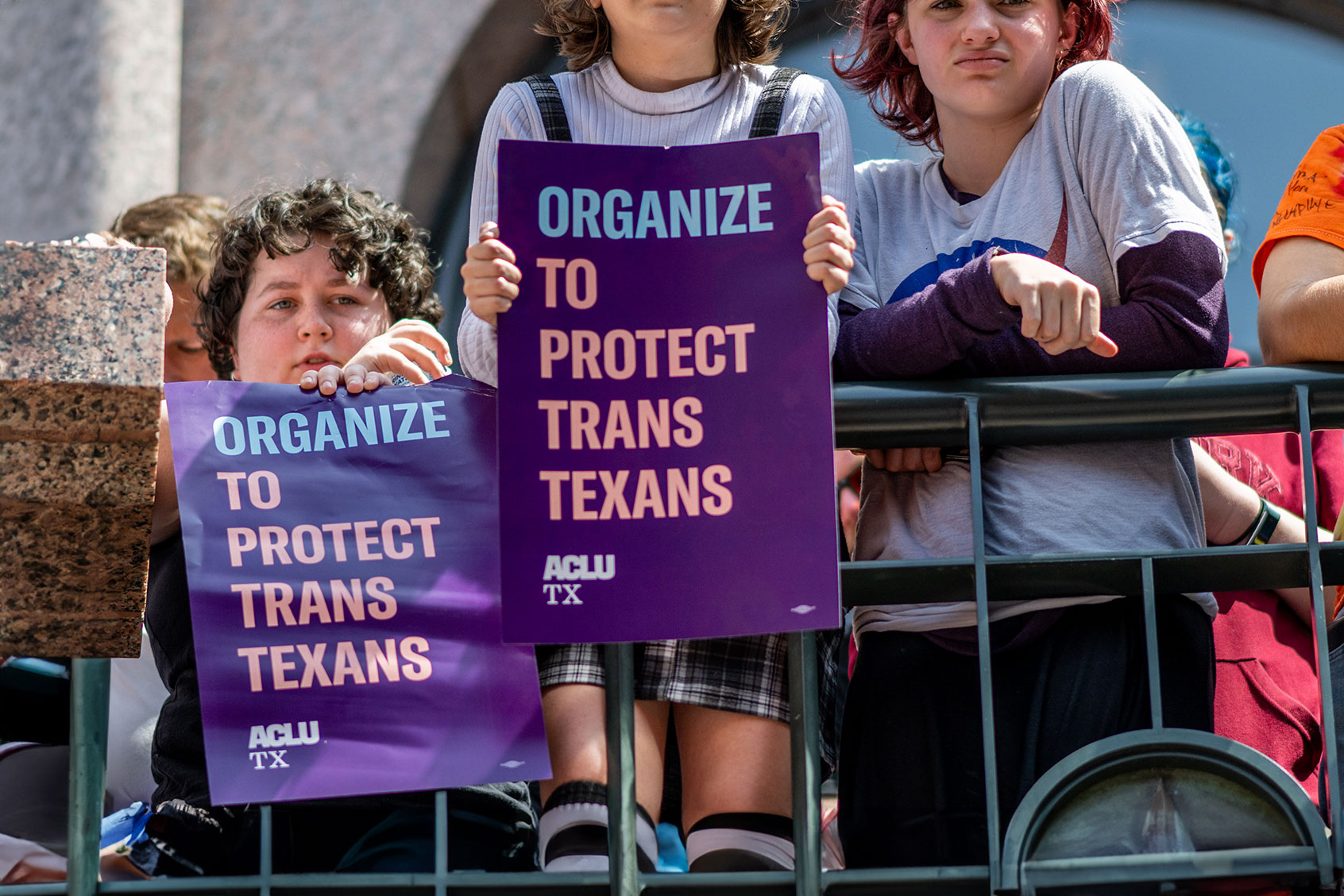
When discussing parents' rights, it is crucial to consider the well-being of the child involved. The term "parents' rights" often masks the true intention of prioritizing parental control over a child's safety and health. Recent events, such as the Supreme Court's decision to block a California law protecting trans kids from being outed to religious parents, highlight the ongoing struggle between a child's rights and a parent's desires.
The case of Mirabelli v. Bonta revolves around a family's refusal to accept their high school child's self-identification as a boy. Despite the child's attempted suicide, the parents argue that their religious beliefs should take precedence over the child's right to express their gender identity at school. This conflict underscores the long-standing resistance from Republicans to prioritize children's safety over parental control in various contexts.
Conservatives often frame being transgender as a mental illness and seek to deny trans kids the right to self-determination. By restricting a child's ability to express their gender identity, these actions can have severe consequences on the child's mental health and well-being. The conservative agenda extends beyond trans rights, as seen in efforts to limit access to contraception and control educational materials in schools.
The recent legal actions in Texas, where parents are denied the right to provide evidence-based mental health care for children experiencing gender dysphoria, further highlight the Republican stance on parental control. By imposing restrictions on parents who support their children's individuality and well-being, Republicans are creating a legal framework that favors conservative, authoritarian parenting styles over open and inclusive approaches.
The concept of "parents' rights" is often used to justify policies that restrict children's rights and limit parental autonomy in supporting their children's diverse needs. While the phrase may sound appealing, its implementation can lead to the suppression of individuality and freedom of thought for children and parents who do not align with conservative beliefs on child-rearing. It is essential to recognize the broader implications of prioritizing parental control over children's well-being and rights in society.