The Reality TV War: Trump Administration's Aggressive Narrative Control in Conflict with Iran
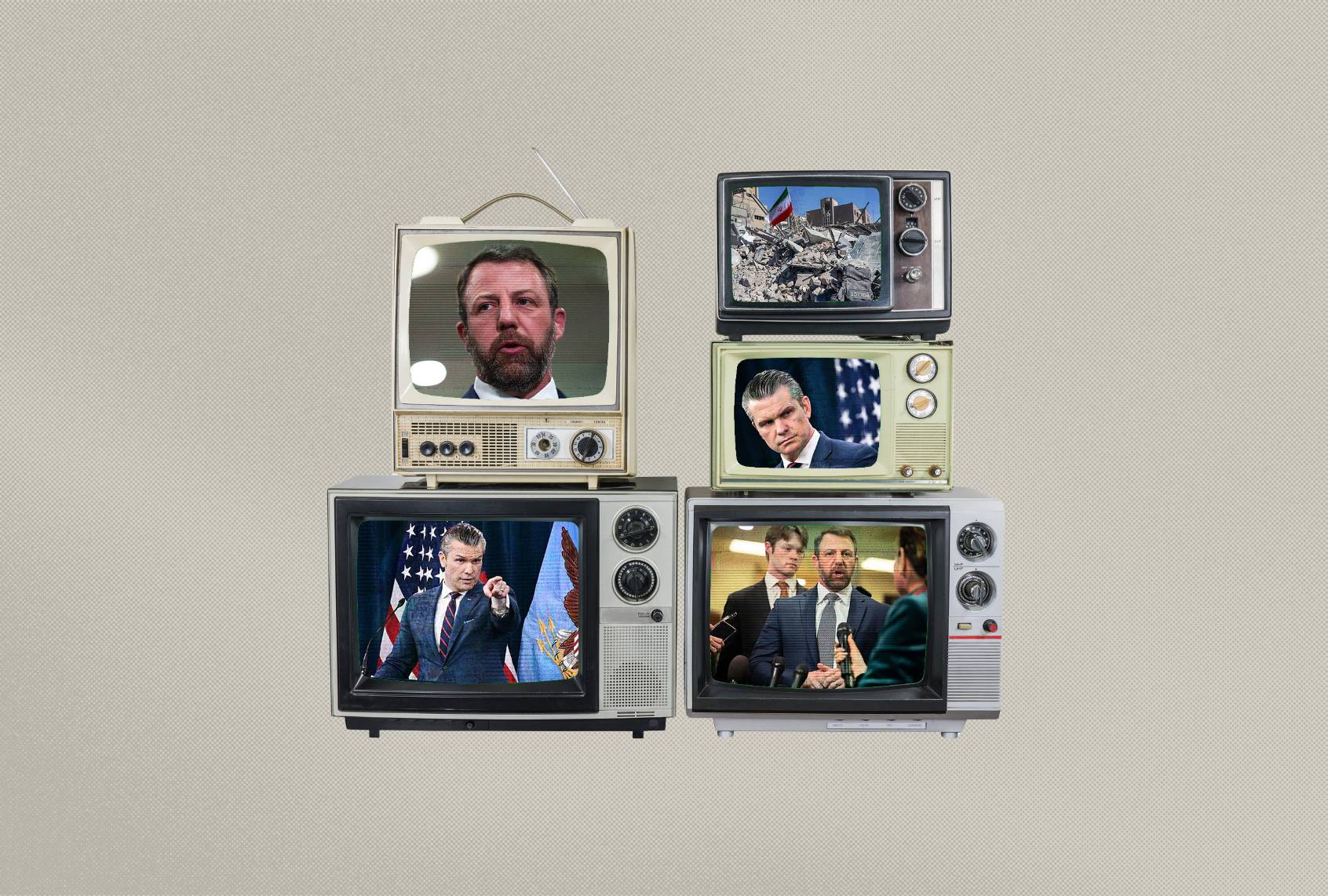
The Trump administration's approach to war with Iran is characterized by aggressive narrative control, resembling a reality TV show. Defense Secretary Pete Hegseth's communication strategy lacks transparency and credibility, with the Pentagon briefing room now filled with pro-Trump outlets and influencers. The public is left with limited information to assess the legal basis and consequences of the military campaign against Iran.
The administration's messaging on social media and videos blends real combat footage with entertainment elements, creating a distorted view of war. Trump's cabinet members, like Markwayne Mullin, prioritize television appearances over policy expertise, shaping governance as a media spectacle. The administration's hostility towards independent journalism is evident in the Justice Department's actions against reporters and the Pentagon's press restrictions.
Hegseth's dismissive attitude towards American casualties and operational details of military actions has shocked Pentagon reporters. The administration's focus on short-term political impact over long-term stability is evident in its communication strategy. The transformation of the national security apparatus into a cable news panel raises concerns about the prioritization of television performance over governance.
In conclusion, the Trump administration's approach to war and national security is marked by a reality TV narrative, with communication strategies focused on media spectacle and political impact. The lack of transparency and credibility in the administration's messaging raises questions about the handling of military actions and the role of independent journalism in informing the public.