Navigating the Energy Crisis: Understanding the Impact of Rising Gas Prices and Political Implications
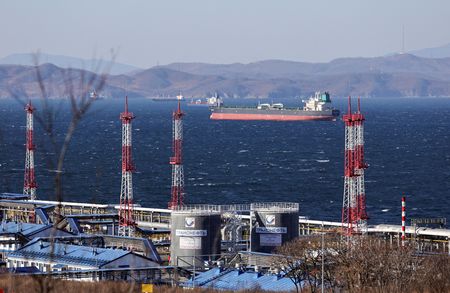
The Trump administration officials defended the temporary lifting of sanctions on Russian oil and anticipated a brief surge in gasoline prices due to the Iran conflict. Energy Secretary Chris Wright and U.S. Ambassador to the United Nations Mike Waltz explained that the waiver allowing Indian purchases of Russian oil would ease global market pressure. The move aims to address concerns about oil shortages and price spikes in the marketplace, with the expectation that the impact will be short-lived.
As the conflict in Iran continues, Americans are experiencing higher gas prices, impacting the economy that recently saw a job loss of 92,000 in February. The national average price for regular gasoline has risen to $3.32 per gallon, the highest since September 2024, while diesel prices have surged to $4.33 per gallon. Despite the price increases, officials believe that the waiver and temporary measures will help stabilize the energy market and eventually lead to a return to previous price levels.
Energy Secretary Wright emphasized that there is no actual shortage of oil or natural gas, attributing the price hikes to fear and perception surrounding the Iran conflict. President Trump and other officials have expressed confidence that the war will be resolved in weeks rather than months, leading to a rapid drop in gasoline prices once the conflict ends. Senator John Kennedy criticized energy speculators for driving up oil prices, highlighting the role of market dynamics in the current situation.
The rise in gasoline prices could have political implications, potentially affecting the upcoming November midterm elections. Analysts suggest that sustained high prices at the pump may impact voters' perceptions of the economy, which could influence the election outcomes. Despite the challenges posed by the current situation, officials remain optimistic that the measures taken will help stabilize the energy market and mitigate the impact on consumers.
In conclusion, the temporary lifting of sanctions on Russian oil and the resulting increase in gasoline prices due to the Iran conflict have raised concerns about the economy and political landscape. Officials are working to address these challenges and stabilize the energy market, with the hope that the impact on consumers will be short-lived. The upcoming elections may be influenced by the economic situation, highlighting the importance of effective policy responses to mitigate the effects of the current crisis.