Shield of the Americas Summit: President Trump's Strategic Focus on U.S. Influence in Latin America
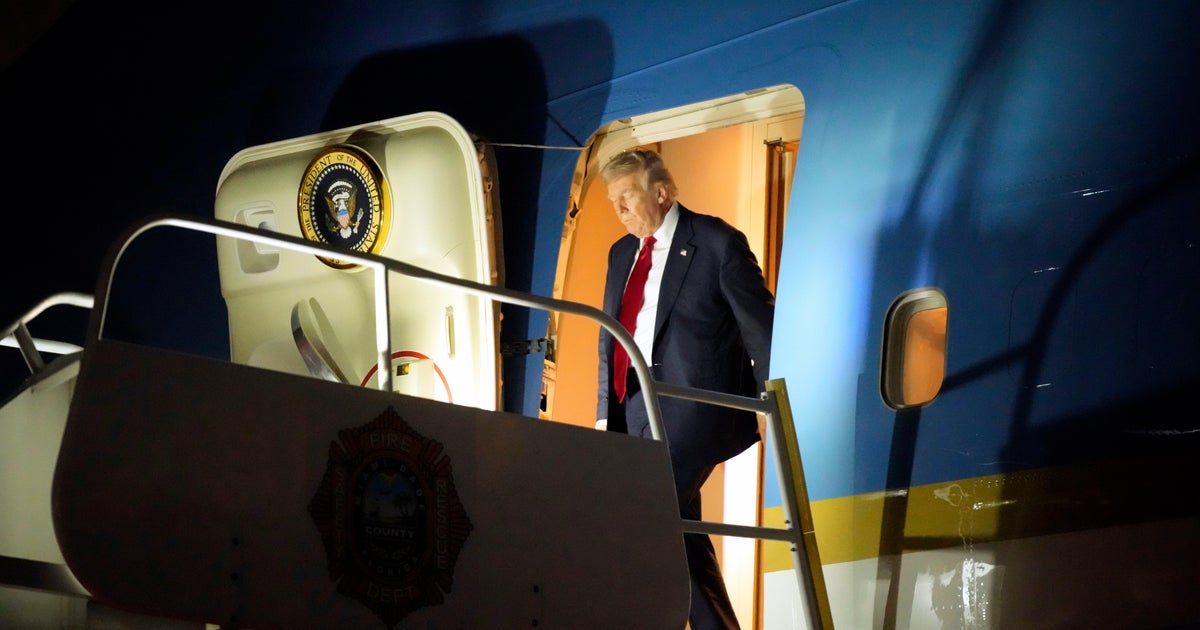
President Trump recently hosted a summit with Latin American leaders at his golf club in Florida to emphasize the importance of U.S. foreign policy in the Western Hemisphere. The meeting, known as the "Shield of the Americas" summit, aimed to address lawlessness in the region. Key officials like Secretary of State Marco Rubio and Defense Secretary Pete Hegseth were present, highlighting the administration's commitment to the region.
The summit took place amidst global crises, including the recent U.S.-Israel military campaign against Iran. Despite these challenges, President Trump sought to focus on the Western Hemisphere and reinforce U.S. influence in the region. The gathering included leaders from Argentina, Bolivia, Honduras, and the Dominican Republic, showcasing a united front against threats to regional stability.
The event marked a shift in U.S. foreign policy towards the region, with a renewed emphasis on countering Chinese economic influence. President Trump's administration has prioritized challenging Chinese investments and infrastructure projects in Latin America, signaling a more assertive approach. The summit aimed to strengthen ties with like-minded conservative leaders and promote a vision of "America First" in the region.
While the summit underscored the administration's commitment to the Western Hemisphere, notable absences included Brazil, Mexico, and Colombia. These countries play crucial roles in regional dynamics, and their absence raised questions about the inclusivity of the event. Despite this, the Shield of the Americas summit symbolized a strategic shift in U.S. engagement with Latin America, focusing on security and economic interests.
In conclusion, the Shield of the Americas summit highlighted President Trump's efforts to reassert U.S. influence in the Western Hemisphere and counter Chinese economic encroachment. By convening Latin American leaders and emphasizing regional security concerns, the administration aims to strengthen partnerships and address shared challenges in the region. The summit served as a platform for discussing key issues and promoting a vision of U.S. leadership in the Americas.