Navigating the Uncertain Job Market: Insights into February's Unexpected Job Cuts
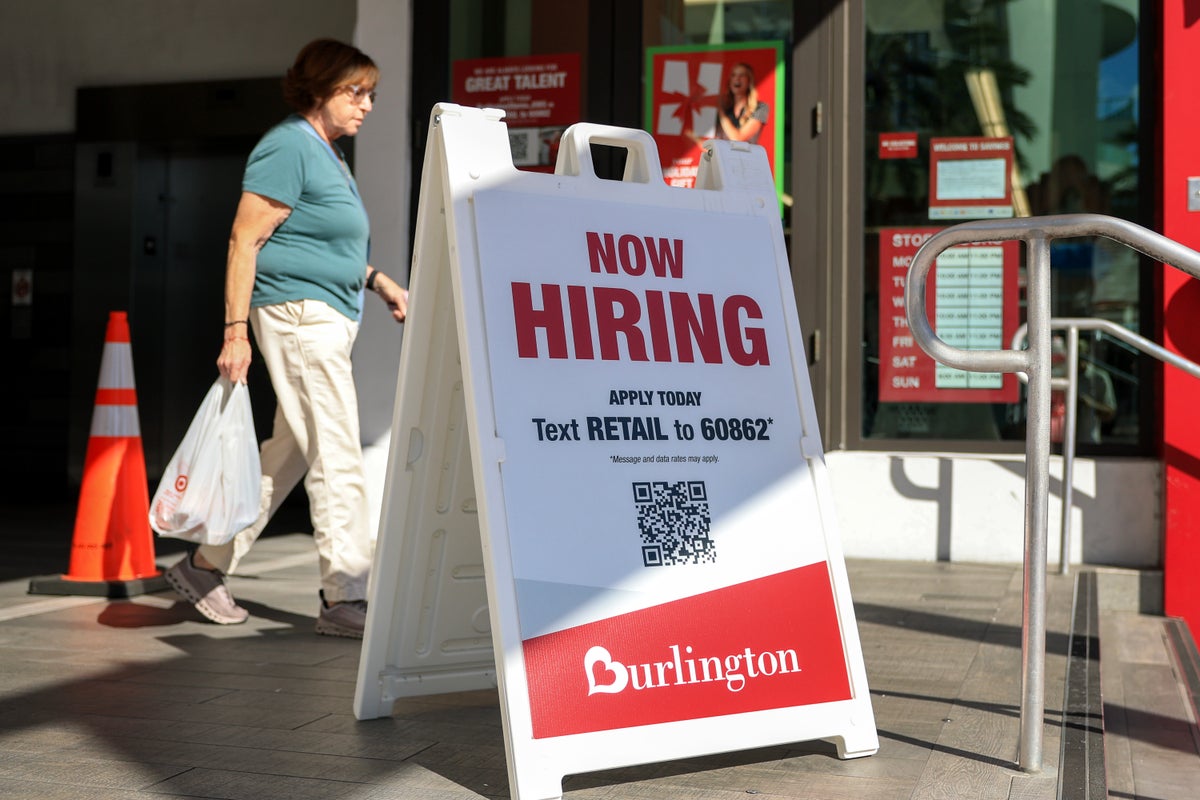
American employers unexpectedly cut jobs last month, leading to a rise in the unemployment rate to 4.4%. The Labor Department reported a decline in hiring compared to the previous month, with revisions also reducing jobs from December and January payrolls. The job market had been anticipated to improve this year after a sluggish 2025, impacted by various economic factors.
Construction companies and healthcare firms experienced job cuts in February, possibly due to adverse weather conditions and a strike by healthcare workers. The uncertainty surrounding President Donald Trump's tariff policies and high interest rates had previously affected hiring in 2025. The ongoing war with Iran further clouds the outlook for the job market and the economy as a whole.
The impact of Trump's trade policies is expected to diminish in 2025, with businesses adapting to offset tariff costs. Despite the easing of trade tensions, hiring remains below the levels seen during the post-pandemic recovery years of 2021-2023. The current job market is characterized by a cautious approach to hiring, with companies hesitant to add new employees but also reluctant to lay off existing ones.
The retirement of Baby Boomers and changes in immigration policies have reduced the labor force participation rate, affecting the threshold for job creation needed to maintain the unemployment rate. Companies are also exploring the use of new technologies like artificial intelligence, which could lead to increased productivity and reduced reliance on human labor. This cautious approach to hiring reflects a desire to maximize efficiency and productivity before expanding the workforce.
In conclusion, the job market continues to face challenges and uncertainties, with hiring trends influenced by economic conditions, trade policies, and technological advancements. Companies are navigating a delicate balance between cost management, productivity enhancement, and workforce planning in a rapidly evolving business landscape.