Indonesia's Social Media Ban for Children Under 16: Safeguarding Online Safety and Well-being
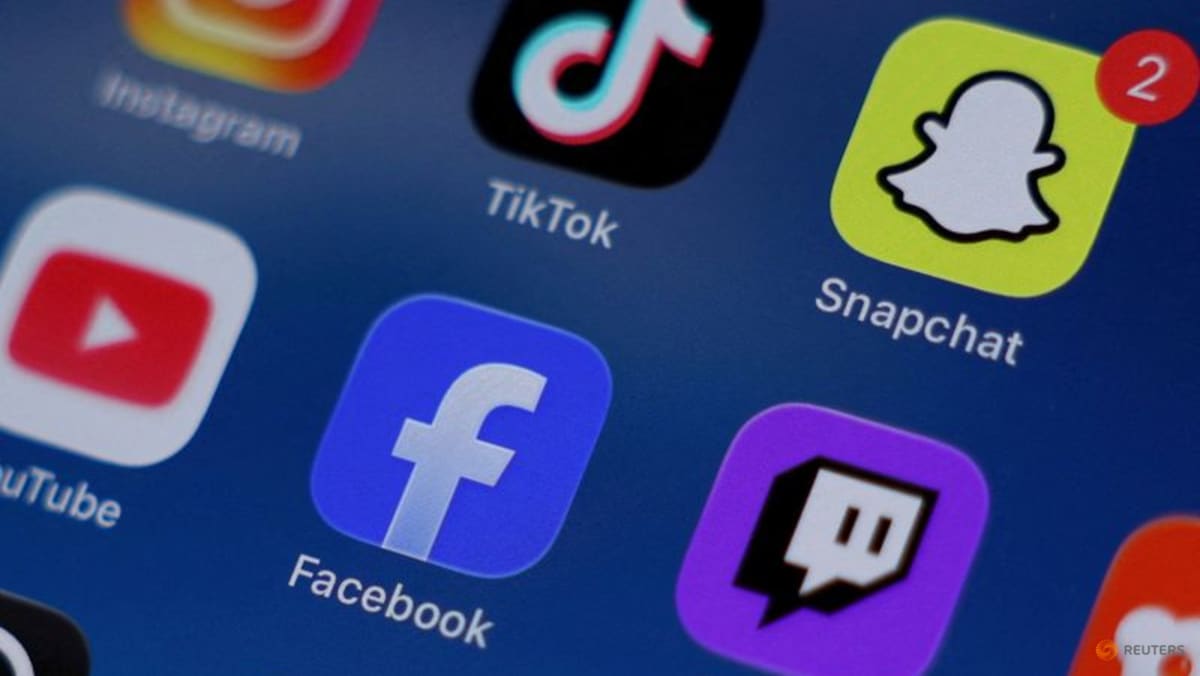
Indonesia announced plans to restrict social media access for children under 16 due to concerns about online threats such as pornography, cyberbullying, fraud, and addiction. The Communications Minister stated that accounts of children under 16 on certain platforms will be deactivated, starting with popular sites like YouTube, TikTok, Facebook, and Instagram. The government aims to support parents in protecting children from online risks and plans to implement the ban gradually, with enforcement beginning on Mar 28, 2026.
The move follows similar initiatives in other countries like Australia, where restrictions were placed on social media use by minors. The European Union is also exploring the possibility of implementing a social media ban for children, inspired by Australia's actions. France, Denmark, Greece, and Spain have been advocating for similar measures at the EU level, while India is also considering its own restrictions on teen social media access.
While acknowledging that the new regulation may inconvenience users initially, the Indonesian government believes it is necessary to address the digital challenges facing children today. The Minister emphasized the importance of safeguarding children's future and ensuring that technology serves to enhance human interactions rather than jeopardize childhood experiences. The government's decision to limit social media access for minors is aimed at protecting children from online dangers and promoting a healthier digital environment.
In conclusion, Indonesia's decision to ban social media access for children under 16 reflects a growing global concern about the impact of online platforms on young users. By taking proactive steps to regulate social media use among minors, the government aims to prioritize the well-being and safety of children in the digital age.