Unveiling Michelangelo's Masterpiece: The Rediscovered Christ the Saviour Bust
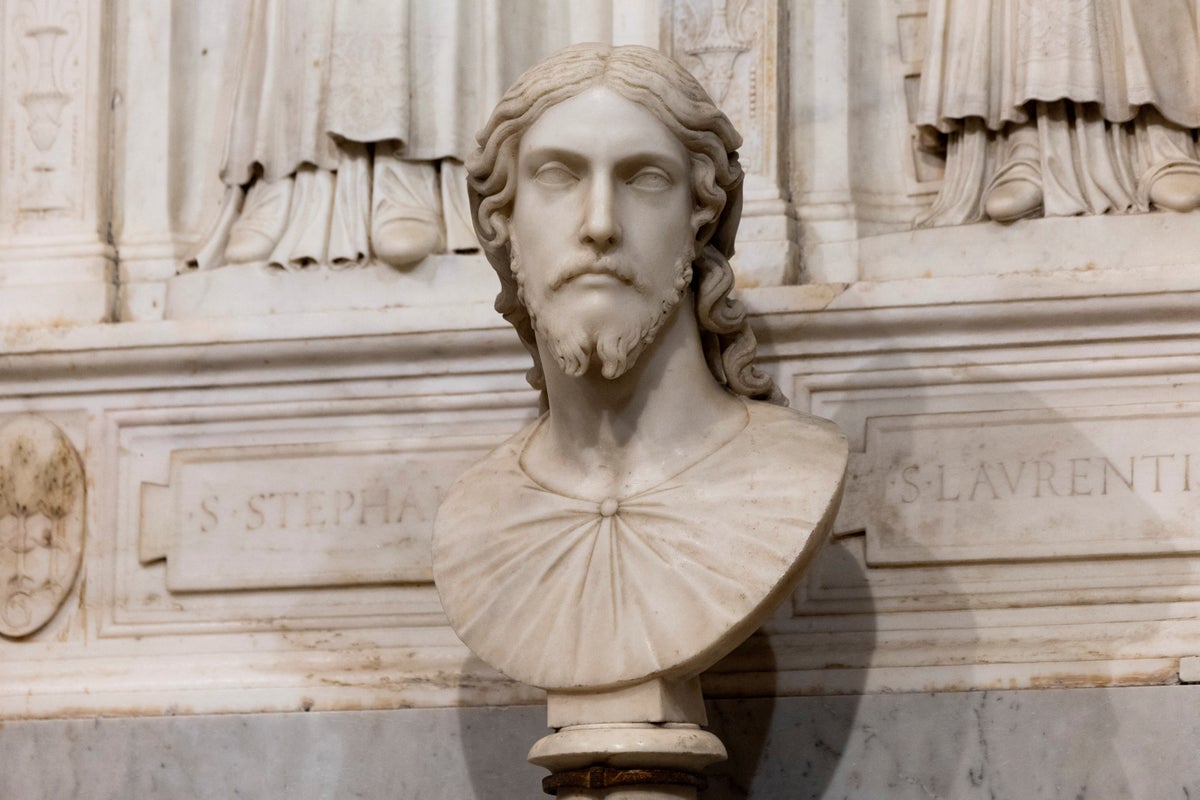
A marble bust of Christ the Saviour, previously shrouded in mystery for almost two centuries, has been newly attributed to the renowned Renaissance artist Michelangelo. The sculpture, located in the Basilica of Sant’Agnese fuori le mura in Rome, was originally linked to Michelangelo before its origins were lost in the early 19th century. Valentina Salerno, an independent researcher and member of the Vatican committee commemorating Michelangelo’s 500th birthday, conducted an extensive investigation using archival records to unveil the sculpture's true creator.
Salerno's research delved into notarial records, posthumous inventories, and indirect correspondence related to Michelangelo's final years in Rome, rather than relying solely on stylistic analysis. The discovery surprised Franco Bergamin from the Order of Lateran Canons Regular, who emphasized the continuous revelations within the monumental complex of Sant’Agnese. Salerno's approach, grounded in public archival documents, challenged the notion that Michelangelo destroyed his works late in life, suggesting instead a deliberate transfer of materials to trusted individuals.
The uncovered documents shed light on a hidden network through which unattributed works were discreetly moved to religious institutions and storage sites, evading the art market. The Sant’Agnese bust, integrated into the basilica's architectural evolution, exemplifies this process. The sculpture, now prominently displayed on an altar in a side chapel of the basilica, is safeguarded by an alarm system. Salerno's findings will guide a broader attribution process to identify other forgotten works by Michelangelo and share the discoveries with the global scholarly community.
In conclusion, the re-attribution of the Christ the Saviour bust to Michelangelo marks a significant milestone in art history, unveiling the artist's meticulous preservation of his legacy through strategic material transfers. Salerno's research underscores the importance of archival investigation in unraveling artistic mysteries and enriching our understanding of Renaissance masterpieces.