The Candace Owens Controversy: A Dilemma for Conservative Media
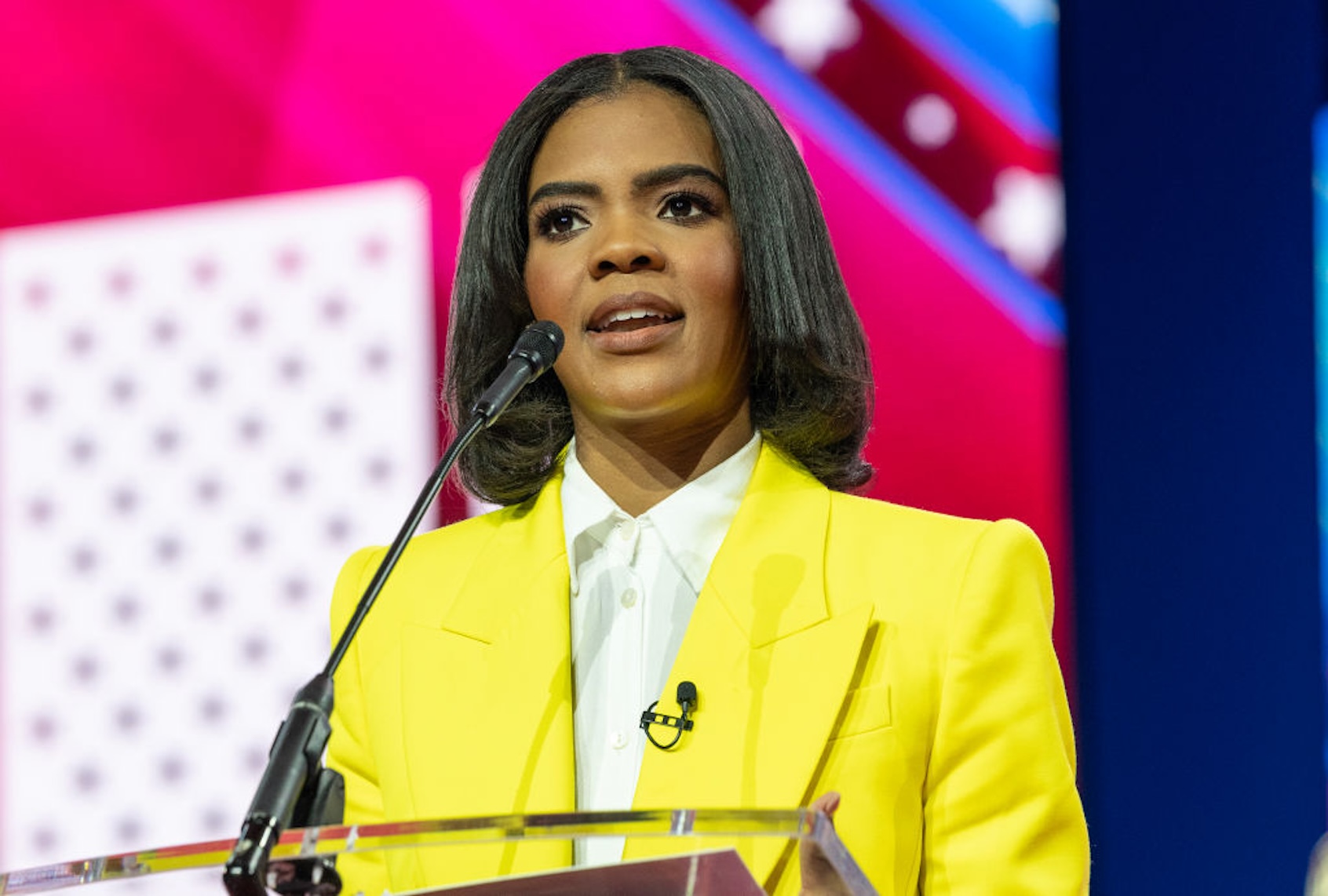
The conservative media is facing a dilemma as Candace Owens, once a prominent figure in the movement, has turned against them. Owens, who gained fame through her association with Charlie Kirk and Donald Trump, is now being criticized by her own supporters. Following Kirk's tragic death, Owens began spreading conspiracy theories about his widow, Erika Kirk, on her podcast. This led to the creation of a controversial YouTube series called "Bride of Charlie," where Owens questions the circumstances of Kirk's murder and suggests ulterior motives behind Erika Kirk's leadership of Turning Point USA.
Despite attempts by the conservative establishment to discredit Owens, her accusations have gained traction and support. Various conservative figures have condemned her actions, labeling her as "a nut" and calling for people to stop listening to her. However, Owens views these criticisms as proof of a coordinated effort to silence her and continues to push her narrative. The right-wing media's inability to control Owens stems from the fact that they played a significant role in building her platform and the conspiratorial media machinery that fuels her.
Conservative media has long thrived on monetizing outrage and distrust, creating an environment where sensational claims and conspiracy theories attract loyal audiences. Owens' rise to prominence is a product of this environment, where the more extreme the narrative, the more engagement it generates. The lack of credible gatekeepers in the conservative movement has allowed figures like Owens to flourish, even when they push dangerous and baseless theories. Owens' promotion of antisemitic narratives and conspiracy theories has found support from other prominent figures in the right-wing media landscape, further amplifying her influence.
The controversy surrounding Owens and her attacks on Erika Kirk reveal a deeper identity crisis within the American right. The prioritization of conspiracy theories and accusations over truth has created a rift within the conservative movement, leading to a breakdown of traditional power structures. Owens' ability to thrive despite backlash from established conservative outlets highlights the fragmentation of right-wing media and the challenges it faces in controlling extremist voices. The tension surrounding Owens reflects broader divisions within the MAGA movement and raises concerns about the spread of antisemitic narratives in spaces primed for distrust and conspiracy theories.
In conclusion, Candace Owens' defiance of the conservative media establishment underscores the challenges faced by right-wing media in controlling extremist voices and conspiracy theories. The environment of outrage and distrust that has fueled Owens' rise to prominence highlights the broader identity crisis within the American right. As Owens continues to push dangerous narratives and conspiracy theories, the conservative movement grapples with the consequences of prioritizing sensationalism over truth.