Satellite Technology Saves Lives: A Look at 2025 Rescues in the U.S.
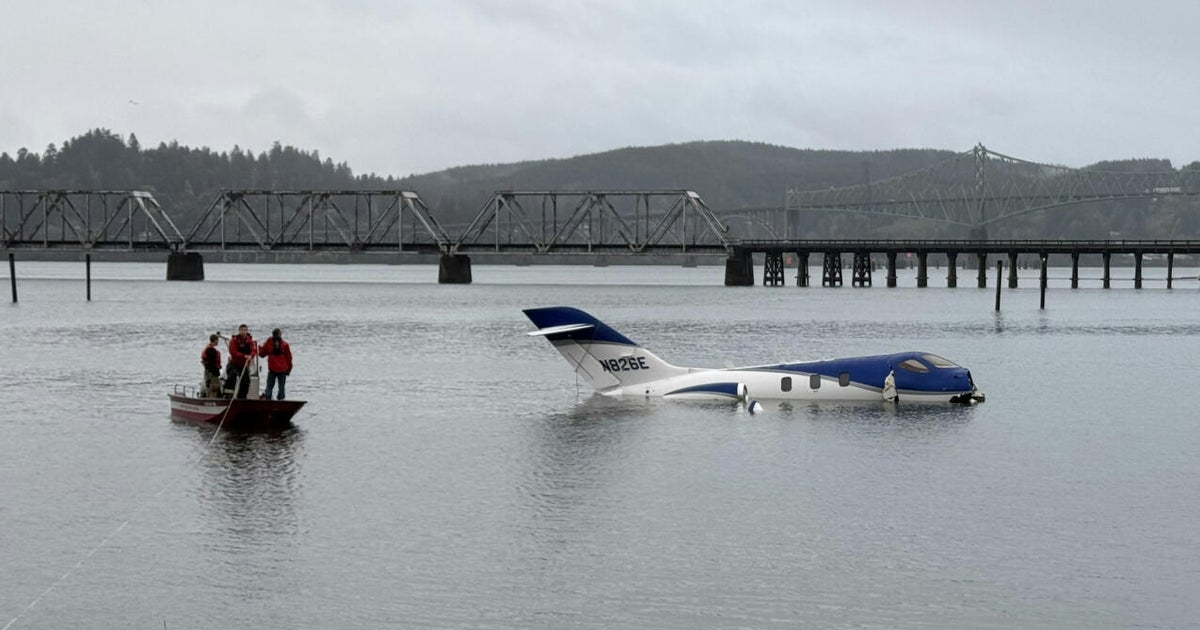
A network of satellites worldwide aided in the rescue of 300 individuals facing life-threatening situations in the United States and its surrounding waters in 2025, as reported by the National Oceanic and Atmospheric Administration (NOAA). Among the rescues, 183 people were saved from water-related incidents, including five individuals from a jet crash in Oregon's Coos Bay. The distress signal from an emergency beacon at Southwest Oregon Regional Airport alerted authorities, leading to a successful rescue operation. The rescued individuals were taken to a local hospital for evaluation.
Satellites also played a crucial role in 47 aviation rescues and 70 land rescues in 2025, with a majority of incidents occurring in Florida, followed by Alaska and Wyoming. Noteworthy rescues included the retrieval of a stranded skier in Colorado's San Juan Mountains and the rescue of two sailors and their dog from a sinking catamaran off the coast of Cape Hatteras, North Carolina. These incidents were detected and responded to promptly due to the satellite system.
The Search and Rescue Satellite Aided Tracking system (SARSAT) encompasses a network of satellites orbiting Earth at various locations and altitudes. Since its inception in 1982, SARSAT has facilitated over 63,000 rescues globally and more than 11,190 rescues in the U.S. The system relies on emergency distress signals transmitted by 406 beacons, which are designed to alert satellites in crisis situations. These beacons are utilized by individuals such as pilots, sailors, and hikers to signal for help in remote areas.
In conclusion, the satellite-based Search and Rescue Satellite Aided Tracking system has been instrumental in saving lives and responding to emergencies across the U.S. and beyond. The successful rescues in 2025 highlight the critical role of satellite technology in ensuring the safety and well-being of individuals in distress.