Navigating Change: The Impact of Climate Change on Greenland's Fishing Industry
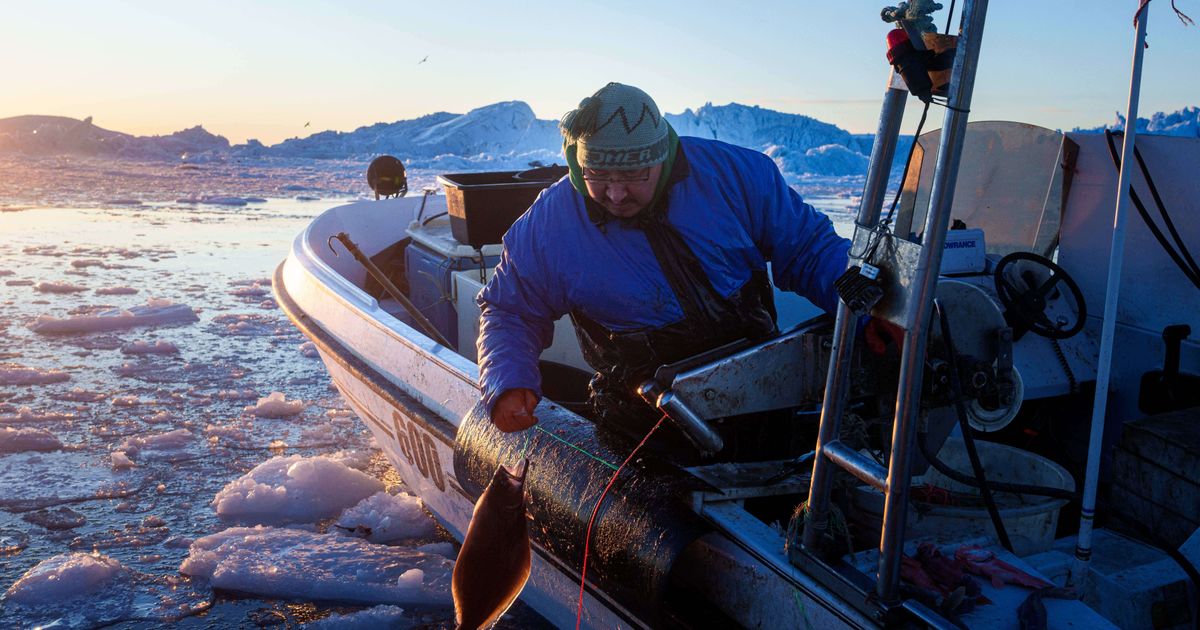
In the remote fjords of Greenland, fisherman Helgi Áargil faces the unpredictable challenges of climate change while fishing for halibut and cod. The Arctic's warming climate is transforming the traditional ice fishing industry, forcing fishermen to adapt to new methods and technologies. With fishing accounting for up to 95% of Greenland's exports, the impact of climate change on the industry remains uncertain.
As sea ice continues to disappear, fishermen like Áargil are navigating the changing landscape of Greenland's fishing industry. The disappearance of sea ice has led to a shift from traditional ice fishing to fishing by boat, allowing access to larger areas but also raising concerns about overfishing and environmental impact. The warming climate is affecting fish behavior, making some species harder to catch as they seek colder waters.
The future of Greenland's fishing industry is uncertain as traditional fishermen face challenges in adapting to the changing environment. With the potential for overfishing and diminishing sea ice, the industry is at a crossroads. As the Arctic region warms at an alarming rate, the fishing communities of Greenland are grappling with the implications of climate change on their way of life.
Despite the challenges posed by climate change, fishing remains a vital part of Greenland's economy and culture. The traditional practices of fishing from the sea ice are giving way to new methods, raising questions about the sustainability of the industry. As Greenland's fishing communities navigate the uncertainties of a changing climate, the future of the industry hangs in the balance.