Title: "Congress Debates President Trump's Authority for Military Strikes in Iran: Operation Epic Fury
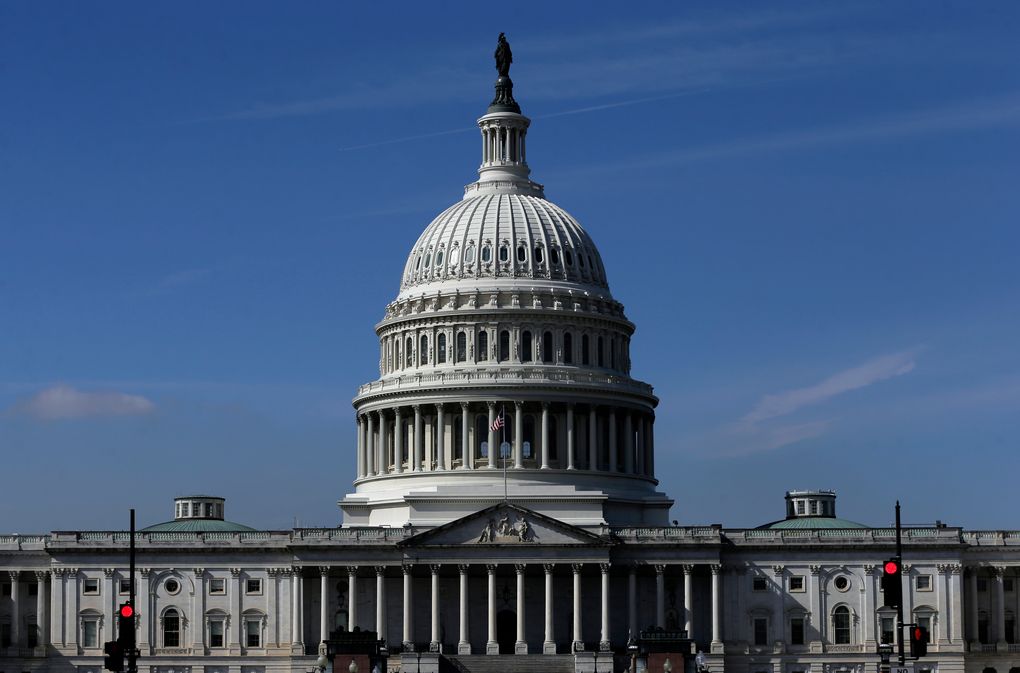
The U.S. Congress is gearing up for a debate on President Donald Trump's authority to conduct military strikes in Iran, as the country is already engaged in a conflict. The military operation, known as Operation Epic Fury, has resulted in casualties and escalating tensions between the two nations. Congress, as the constitutional body responsible for declaring war, is facing a critical decision on whether to approve the ongoing military actions.
Historically, Congress has rarely declared war, with only five instances in the nation's history. The current situation in Iran raises questions about the president's authority to engage in military operations without congressional approval. Lawmakers are divided on the necessity and strategy of the conflict, with concerns about the lack of a clear rationale and end goal. The House and Senate are preparing war powers resolutions for potential votes to address the situation.
Sen. Mark Warner emphasized the importance of congressional approval for military actions, stating that the president cannot unilaterally commit American forces to a war of choice. The lack of transparency in the decision-making process and the absence of a public rationale for the conflict have raised concerns among lawmakers. The White House is expected to brief congressional leaders behind closed doors, further limiting public oversight of the military operation.
Presidents from both political parties have historically exercised broad authority to conduct military strikes without congressional approval. Despite efforts to curb presidential war powers, Congress has struggled to assert its authority over military engagements. The current political landscape, with a Republican majority aligned with the president's views on Iran, presents challenges for lawmakers seeking to limit executive power in military matters.
Law professor John Yoo highlighted Congress's power to control federal funding as a potential tool to constrain the president's military actions. However, the Republican-controlled Congress has shown support for Trump's approach to Iran, making it unlikely for them to challenge his decisions. Sen. Tom Cotton outlined Trump's vision for the conflict, emphasizing the use of air and naval campaigns without ground forces in Iran. The situation remains fluid, with uncertainties about Iran's response and the duration of the military campaign.
In conclusion, the ongoing military operations in Iran have sparked a war powers debate in Congress, highlighting the constitutional division of authority between the president and lawmakers. The outcome of the debate will shape the future of U.S. military engagements and the balance of power between the executive and legislative branches.