Escalating Tensions: The Aftermath of Coordinated U.S. and Israeli Attacks on Iran
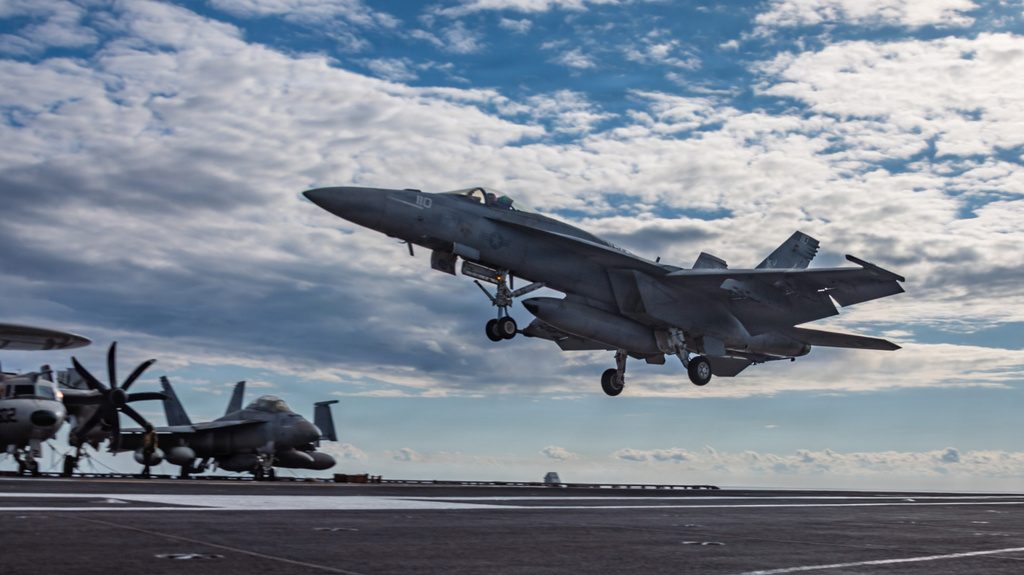
The recent coordinated attacks by the United States and Israel targeted Iran, resulting in the death of Supreme Leader Ayatollah Ali Khamenei and other senior figures. This has sparked a furious response from Iran, leading to a series of retaliatory strikes and escalating tensions in the region. The U.S. allies have pledged to assist in curbing Iran's missile and drone attacks, while Hezbollah has claimed strikes on Israel, prompting Israeli retaliation.
Following Khamenei's death, Iran faces the task of selecting a new supreme leader for the first time in decades. President Donald Trump has encouraged Iranians to seize the opportunity to overthrow the current regime, but there is no indication of widespread protests. The attacks occurred shortly after the latest U.S.-Iran talks on Tehran's nuclear program, echoing past events that led to conflicts between the nations.
Iran's ballistic missile sites, navy headquarters, and nuclear enrichment site were targeted in the attacks. In response, Iran has struck back at Israel and U.S. bases in the region, resulting in casualties on both sides. The situation remains volatile, with uncertainties surrounding further military actions, the selection of a new supreme leader, and the reactions of the Iranian people.
The U.S. has maintained a significant military presence in the region, leading up to the coordinated attacks on Iran. Trump has vowed to continue the bombing campaign, while U.S. military bases remain potential targets for Iranian retaliation. Diplomatic efforts with Iran's new leadership are anticipated, alongside concerns raised by congressional leaders over the strikes without proper authorization.
Israel perceives Iran as a major threat and has actively targeted its nuclear and missile programs, as well as allied groups like Hamas and Hezbollah. Israeli strikes in Lebanon have escalated tensions, with ongoing military actions and potential threats from Iranian-backed groups. The region is on high alert, with the risk of further military strikes and proxy attacks looming.
The conflict has had widespread repercussions beyond the immediate region, impacting Gulf nations and global oil markets. The attacks have disrupted air travel and raised concerns about oil supply disruptions, leading to a rise in oil prices. Diplomatic efforts are underway to address the crisis, with a focus on monitoring oil prices, assessing Iran's nuclear program, and engaging in diplomatic initiatives to de-escalate tensions.