Empowering Women Through Education: A Fulbright Journey
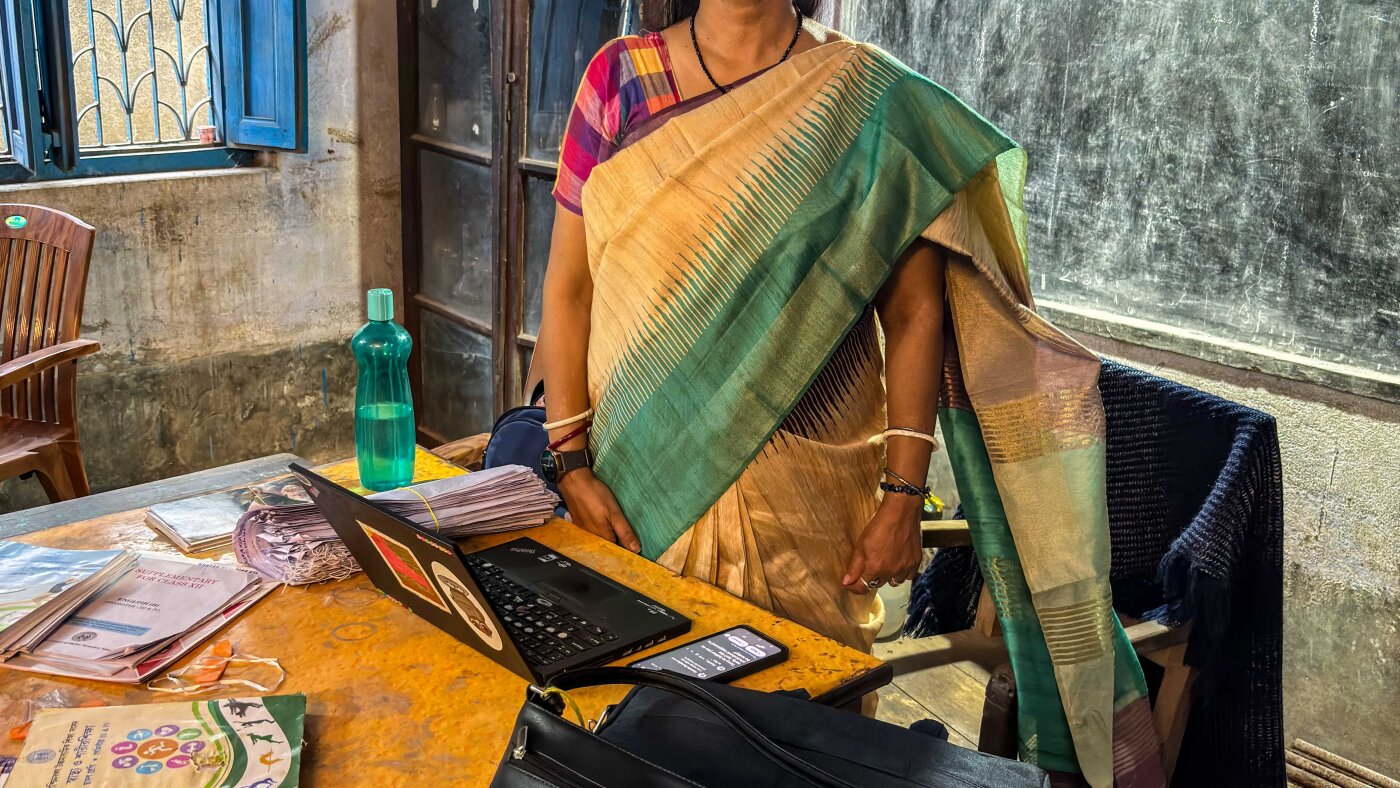
Receiving the acceptance letter from the Fulbright Distinguished Awards in Teaching Program was a moment of pure elation for me. It meant I would be heading to the United States for four months to delve into the realm of language learning equity. However, the initial joy was quickly overshadowed by questions from those around me about who would care for my children and how my absence would affect my husband. These inquiries highlighted the societal expectations that confine a woman's aspirations to domestic responsibilities rather than her professional pursuits.
As an English teacher hailing from Bankura, a rural district in West Bengal, India, I have dedicated 24 years to educating first-generation learners who come from homes where Bengali or Santali is spoken. Despite the humble setting of my classroom with its worn-out blackboard and slow ceiling fan, there is an unwavering thirst for knowledge among my students. Now, during my fellowship in Pennsylvania, I am exploring well-equipped schools and witnessing the challenges faced by female educators who balance teaching, motherhood, and exhaustion in a system where patriarchy transcends borders.
Language has always been my battleground, where I empower my students, especially girls, to view English not as a colonial relic but as a tool for claiming opportunities in a country where English signifies progress and privilege. However, the reality is that many young women in India are forced into early marriages, robbing them of the freedom and choices that education could offer. Fulbright has become a conduit between my roles as a teacher and a woman, prompting me to develop a research project that addresses this dichotomy.
My project, the Dual Toolkit, was inspired by a student named Soma, who could mechanically transcribe English words but struggled to grasp their meanings. This toolkit aims to bridge the gap by fostering understanding rather than rote memorization, using students' home language as a guiding light to unlock the doors to English proficiency. It is my way of equipping these girls with the key to unlock the gate of opportunity that English represents in India.
Both first-generation learners and women like me, the first teacher from a government school to receive this prestigious award, share a common struggle of breaking new ground and challenging societal norms. As I reflect on the girls in my classroom back home, I am reminded of the uphill battle they face in a world that still grapples with gender biases despite its veneer of progress.
Returning home will inevitably bring back the same questions about childcare and marital obligations, but my experiences abroad have fortified my resolve to defy societal expectations and prioritize my professional growth. Every woman who embarks on a journey for her career carries a spirit of rebellion, and mine is fueled by the belief that my value is not contingent on upholding others' comfort. Education, to me, is a testament to the transformative power of minds and the potential to challenge ingrained norms.
As I envision a future where more women from small towns in India pursue opportunities abroad, I hope they are met with curiosity and encouragement rather than skepticism about their domestic responsibilities. The true question should be, "What will you discover?"