Title: "Geopolitical Tensions in the Middle East Drive Crude Oil Prices Up: Impact on Global Energy Markets
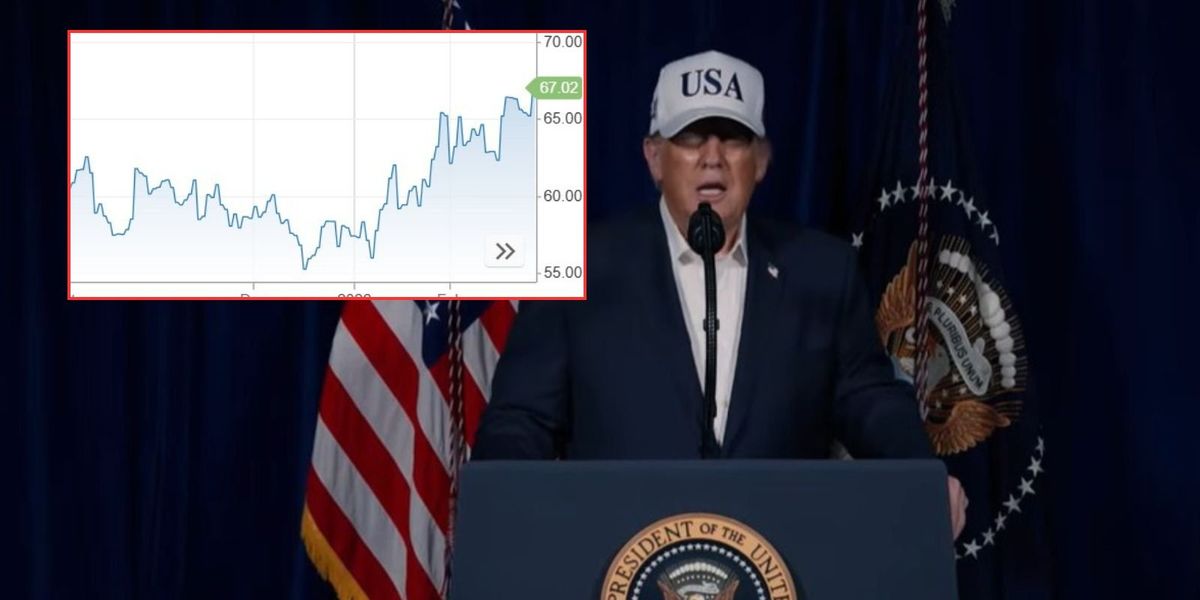
The recent military actions by US President Donald Trump and Israel against Iran have caused a surge in crude oil prices. Brent crude oil is currently trading at around $72.5 to $72.9 per barrel, while the US benchmark WTI oil is priced at approximately $67 per barrel. Concerns about potential conflict had already driven oil prices up by more than 15 percent since the beginning of the year, offsetting expectations of oversupply.
Israeli forces launched a pre-emptive military strike on Tehran, resulting in multiple explosions in the Iranian capital. This escalation in Middle East tensions has had a significant impact on global energy markets. Israeli Defence Minister Israel Katz described the strikes as necessary to destroy Iran's nuclear capabilities and missile systems, effectively ending diplomatic negotiations that had briefly emerged in February.
Iran, a key oil producer and member of OPEC, holds a strategic position at the Strait of Hormuz, a crucial trading route for about 20 percent of the world's oil. OPEC+ delegates have indicated that the alliance will consider a more aggressive production increase during an emergency session on Sunday to address the sudden outbreak of hostilities and stabilize energy markets.
Market participants are awaiting the formal announcement on Sunday to see if the proposed production increase will be sufficient to stabilize prices. West Texas Intermediate settled above $67 per barrel, reaching its highest close since August. The escalating geopolitical tensions have raised concerns about potential disruptions to the Strait of Hormuz, with traders closely monitoring the situation.
The possibility of American military action against Iran has increased, with prediction markets reflecting growing anxiety. Traders are particularly worried about potential Iranian retaliation targeting American military installations or energy infrastructure in neighboring Gulf states. The situation remains fluid, and the energy markets are bracing for further developments in the region.