Congressional Resolution to Limit Trump's Authority on Iran Strikes: Bipartisan Support and Constitutional Implications
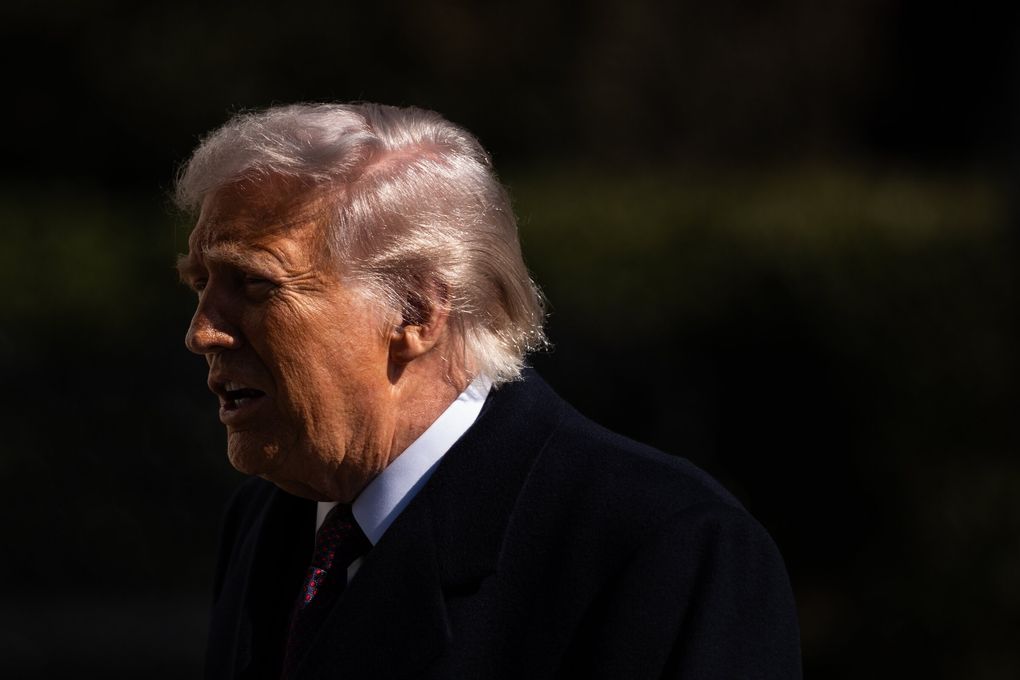
Democrats are pushing for a vote next week on a resolution to limit President Donald Trump's authority to conduct strikes in Iran, emphasizing Congress' role in approving military actions. The resolution aims to direct Trump to cease using armed forces against Iran without explicit authorization from Congress. While the outcome in the Republican-controlled House and Senate is uncertain, some GOP members have expressed initial support for the strikes. Efforts to garner bipartisan support have seen two House Republicans, Thomas Massie and Warren Davidson, backing the resolution, potentially paving the way for its passage.
House Democratic leader Hakeem Jeffries highlighted the need to confront Iran for various reasons but stressed the importance of seeking congressional authorization for military actions. Rep. Ro Khanna, co-sponsoring the resolution, called for lawmakers to reconvene and vote on the measure, labeling the strikes as the start of an unauthorized regime change war in Iran. Despite potential opposition, substantial GOP support for the resolution could influence Trump to limit military actions in Iran.
The US Constitution grants Congress the authority to declare war, yet presidents have historically relied on less formal authorizations for military force. The War Powers Resolution of 1973 aimed to address this issue, emphasizing the need for congressional approval for significant military operations. Senators like Mark Warner, Tim Kaine, and Andy Kim have advocated for measures to check Trump's use of military force in Iran, underscoring the importance of congressional oversight in such decisions.
Sen. Roger Wicker defended the strikes as crucial in thwarting Iran's nuclear ambitions and other threats, while Sen. Lindsey Graham expressed confidence in the operation's success. The resolution faces potential opposition and a likely veto from Trump if passed, but bipartisan support could influence the administration's approach to military actions in Iran. The ongoing debate underscores the constitutional role of Congress in authorizing military force and the need for transparency and legal justification in such decisions.