Unraveling Mate Preference in Neanderthal-Human Interbreeding: Insights from Genetic Patterns
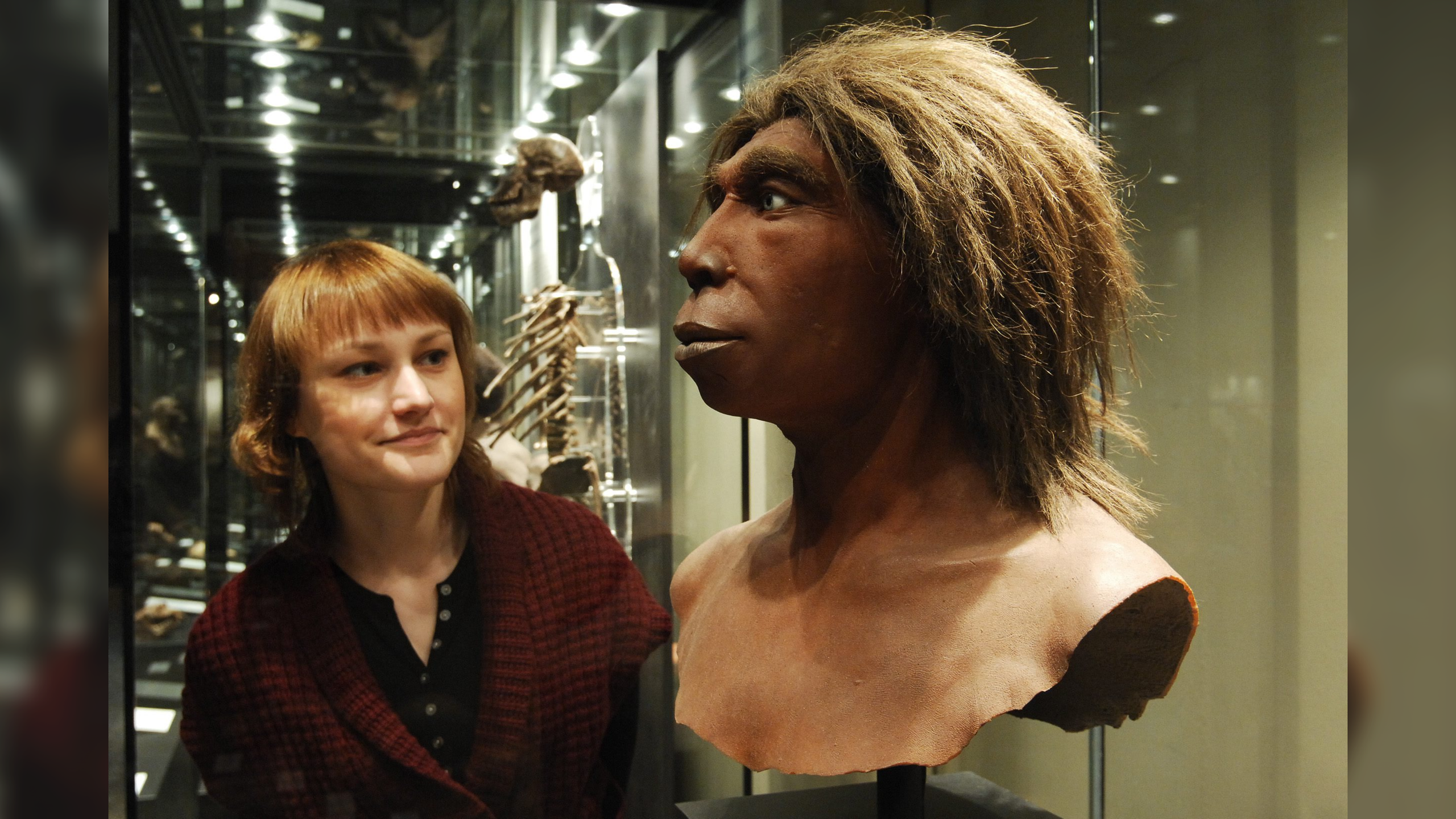
A recent study suggests that when Neanderthals and modern humans interbred, they showed a preference for pairings between Neanderthal men and human women. This preference sheds light on why modern humans have a relatively low level of Neanderthal genes and why these genes are present in some populations but not in others. Scientists have long been puzzled by "Neanderthal deserts" in the human genome, where Neanderthal genes are scarce, especially on the X chromosome. Initially, it was thought that these genes might have been biologically harmful and eliminated by natural selection. However, the study proposes that mate preference played a significant role in shaping the distribution of Neanderthal genes in the human genome.
The research team analyzed the genomes of women from African populations with no Neanderthal ancestry and compared them with Neanderthal genomes. They found that Neanderthal X chromosomes had higher levels of modern-human ancestry, suggesting that mate preference, rather than genetic incompatibility, led to the scarcity of Neanderthal genes on the X chromosome. The preference for mating between female Homo sapiens and male Neanderthals resulted in fewer Neanderthal X chromosomes entering the human gene pool. This mate preference pattern was identified in the genomes studied, indicating a selective process in interbreeding between the two groups.
While the study highlights the role of mate preference in shaping the distribution of Neanderthal genes in the human genome, the reasons behind this preference and its direction remain unclear. Previous research on the Neanderthal Y chromosome suggested interbreeding between male Homo sapiens and female Neanderthals. However, the current study indicates a preference for pairings between male Neanderthals and female Homo sapiens. The researchers acknowledge the complexity of evolutionary scenarios that may have contributed to the observed patterns in the human genome, including natural selection, sex biases, mate preference, and sex-specific migration.
Understanding the structure of Neanderthal and modern-human societies is crucial for unraveling the dynamics of mate choice in the past. Anthropologists and evolutionary biologists emphasize that mate choice is influenced by social structures and gender roles, which are partially learned behaviors. The research team plans to investigate the evolution of social structures and gender roles within Neanderthals to gain further insights into mate choice patterns. While there is still much to learn about the complexities of interbreeding between Neanderthals and modern humans, this study provides valuable insights into the role of mate preference in shaping the genetic legacy of our ancestors.