Protecting Wildlife: Detecting H5N1 Avian Influenza Virus in California's Elephant Seals
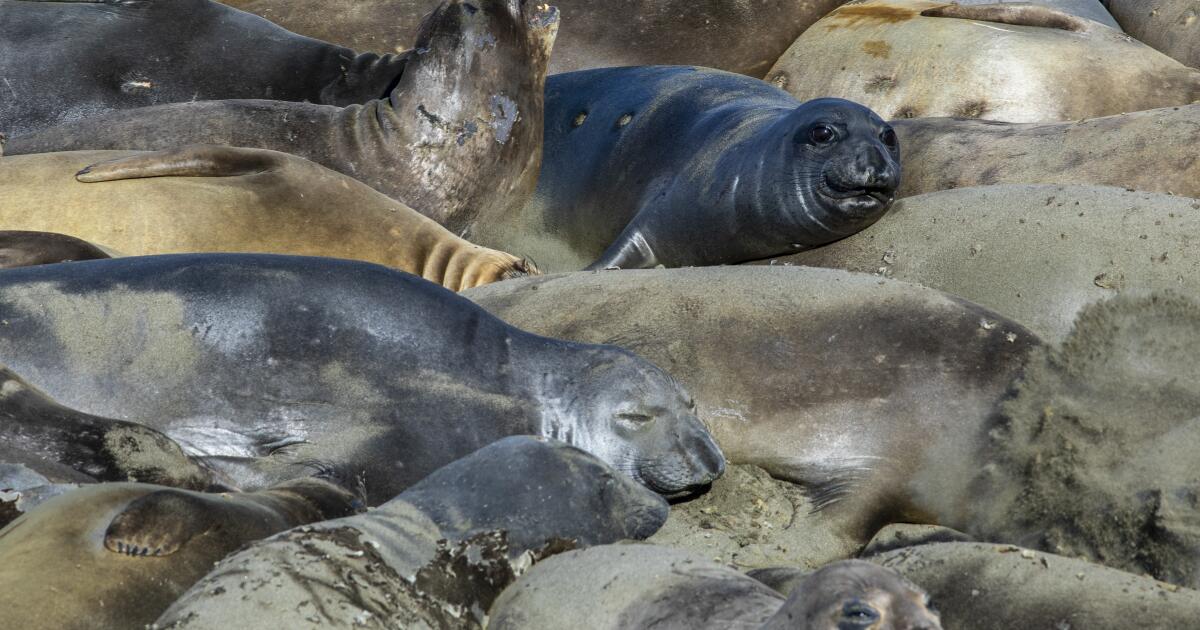
The H5N1 avian influenza virus, which caused significant harm to elephant seals in South America, has now been detected in seals at California's Año Nuevo State Park, as confirmed by researchers from UC Davis and UC Santa Cruz. The virus has affected both wild and domestic animals worldwide and was identified in seven weaned seal pups. The confirmation of the virus came from the U.S. Department of Agriculture's laboratory in Ames, Iowa. While the exact number of animal deaths was not disclosed, it was mentioned that some animals had died. Typically, carcasses and tissue samples are sent to the USDA for further testing to confirm the presence of the virus.
Professor Christine Johnson, the director of the Institute for Pandemic Insights at UC Davis' Weill School of Veterinary Medicine, highlighted the swift detection of the outbreak in marine mammals. She credited the coordinated efforts of vigilant teams that have been actively monitoring and conducting surveillance for the disease. This proactive approach likely led to the early identification of the initial cases in the seals at Año Nuevo State Park.
The discovery of the H5N1 bird flu virus in California's elephant seal population underscores the importance of ongoing monitoring and surveillance efforts to protect wildlife from infectious diseases. The collaborative work between researchers, government agencies, and wildlife experts is crucial in detecting and responding to outbreaks swiftly. By remaining vigilant and implementing proactive measures, we can help safeguard vulnerable animal populations and prevent the spread of harmful viruses like H5N1.
In conclusion, the recent confirmation of the H5N1 bird flu virus in seals at Año Nuevo State Park serves as a reminder of the ongoing threat posed by infectious diseases to wildlife. The rapid detection of the virus in marine mammals highlights the importance of coordinated surveillance efforts and proactive monitoring to protect vulnerable animal populations. By working together and staying vigilant, we can help mitigate the impact of such outbreaks and safeguard the health of wildlife in our ecosystems.