President Trump's State of the Union Address: Navigating Challenges and Shaping the Narrative
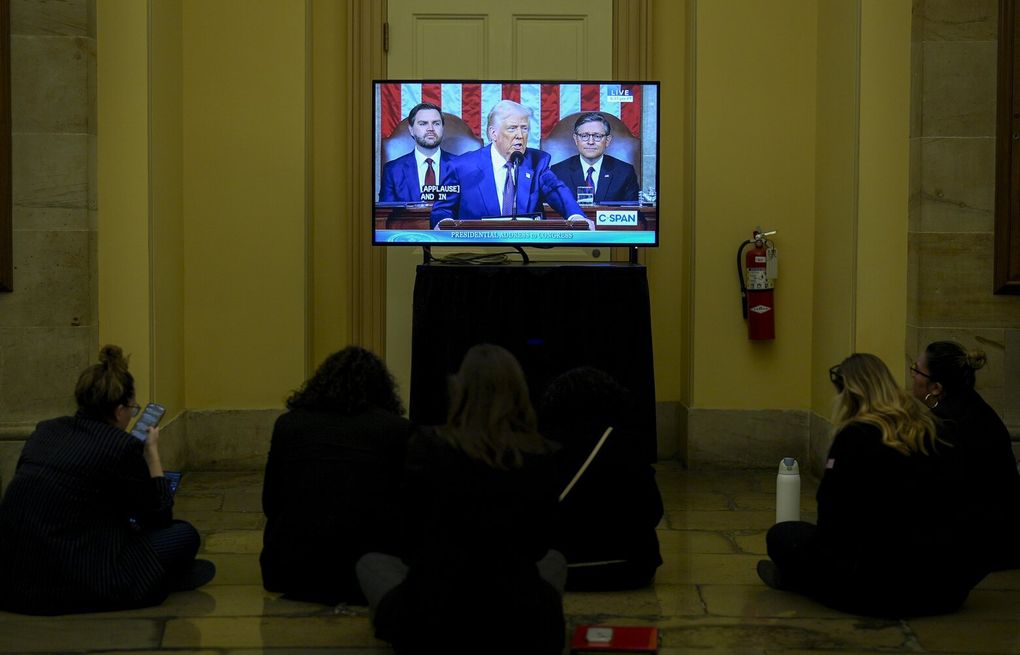
President Donald Trump is set to deliver his State of the Union address amid a challenging period in his presidency. Despite his administration's accomplishments, his approval ratings are at a low point, and key issues like the economy and immigration are sources of disapproval among Americans. The government is facing a partial shutdown, and the Supreme Court recently ruled against his tariffs. With the upcoming midterm elections posing a threat to Republican control of the House, Trump aims to shift public opinion during his speech.
The President is expected to highlight his economic achievements, including job growth, lower gas prices, and stock market gains. He will also emphasize successes in border security, reduced illegal immigration, declining crime rates, and military investments. Trump's focus on these accomplishments reflects his efforts to counter negative perceptions and garner support for his policies.
Trump's popularity has waned on economic and immigration issues, prompting him to reframe the national conversation. He has embarked on a nationwide tour to promote his economic agenda and downplay concerns about affordability. Additionally, he seeks to redirect attention from controversial immigration enforcement tactics to the administration's success in reducing illegal border crossings. Trump's strategy involves emphasizing positive outcomes while dismissing negative poll numbers as inaccurate.
Following the Supreme Court's ruling against his tariffs, Trump criticized the justices with harsh language, calling them "fools and lap dogs." Despite this setback, he announced new tariffs under a different legal framework. Trump's confrontational approach towards the judiciary underscores his determination to pursue his policy objectives, even in the face of legal challenges.
As Trump balances domestic and foreign policy priorities, his State of the Union address will provide insight into the direction of his presidency. While he has pursued international initiatives in pursuit of a Nobel Peace Prize, his focus on addressing domestic issues remains crucial. The speech's emphasis on improving the lives of everyday Americans will be a key indicator of Trump's commitment to his "America First" agenda.
Amidst potential protests and boycotts from Democrats, Trump's speech will be closely watched for its impact on public opinion and the upcoming midterm elections. The choice of Abigail Spanberger to deliver the party's response underscores the Democrats' message of responsible governance as an alternative to Trump's approach. However, the risk of verbal confrontations during the address could detract from the party's intended message and alienate swing voters.
In conclusion, President Trump's State of the Union address comes at a critical juncture in his presidency, as he seeks to rally support for his administration's achievements and address public concerns. The speech will serve as a platform for Trump to outline his policy priorities and shape the narrative leading up to the midterm elections. The response from Democrats and potential disruptions during the address will add to the political dynamics surrounding the event.