Legal Battle Over Clean Energy Grants: EPA vs. Climate Groups
A legal dispute between the Environmental Protection Agency (EPA) and climate groups has reignited in a federal appeals court, focusing on the Trump administration's decision to terminate $20 billion in clean energy grants. The U.S. Court of Appeals for the District of Columbia Circuit is revisiting the EPA's move to freeze funding from the Greenhouse Gas Reduction Fund, a $27 billion program established under the 2022 Inflation Reduction Act. The EPA halted $20 billion in grants awarded to eight nonprofit organizations for clean energy projects, prompting legal action from Climate United, Coalition for Green Capital, and Power Forward Communities.
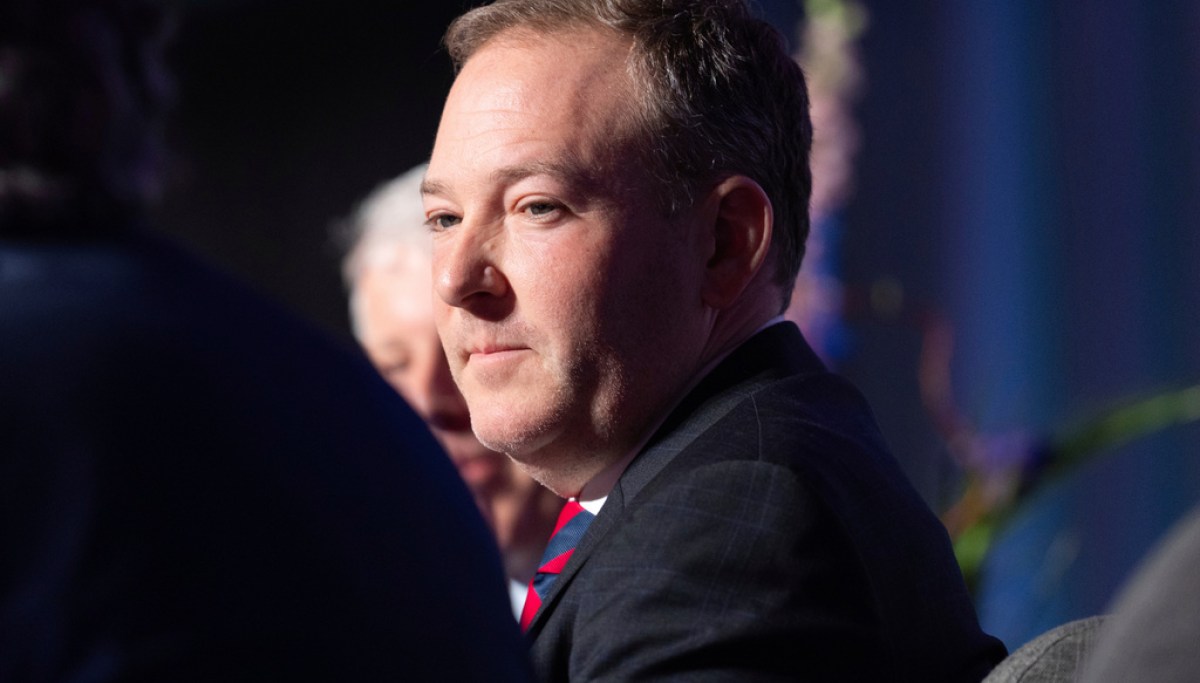
In April 2025, U.S. District Judge Tanya Chutkan issued a preliminary injunction preventing the EPA from terminating the grants. However, a divided three-judge panel of the D.C. Circuit later ruled that the district court lacked jurisdiction. The climate groups appealed to the full appeals court, which is now rehearing the case. EPA Administrator Lee Zeldin raised concerns about the distribution of funds, referring to them as "gold bars" in light of alleged mismanagement.
Justice Department attorney Yaakov Roth argued that the lack of oversight in fund distribution posed risks of waste and abuse, justifying the EPA's decision to freeze and terminate the grants. The passage of the Trump administration's One Big Beautiful Bill Act repealed the program established by the Inflation Reduction Act, affecting the EPA's ability to reissue the grants. Roth emphasized that the legislation ended the program, making it impossible for the EPA to restore it.
Attorney Adam Unikowsky, representing the climate groups, criticized the EPA's suspension and termination of the grants, highlighting the ongoing obligation of the funds due to the injunction. He argued that the legislation's repeal of unobligated funds did not apply to the grantees' funds, which were still obligated. Unikowsky emphasized the importance of protecting the grantees' property interests in the contracts and preserving the program.
The Greenhouse Gas Reduction Fund allocated $27 billion to three programs, distributing $7 billion to Solar for All, $14 billion to the National Clean Investment Fund, and $6 billion to the Clean Communities Investment Accelerator. The EPA also aimed to reduce funding for the Solar for All program. The ongoing legal battle underscores the complexities surrounding the distribution and termination of clean energy grants, with both sides presenting contrasting arguments on the matter.