Supreme Court Case on Climate Change Liability: Implications for Energy Companies and National Policy
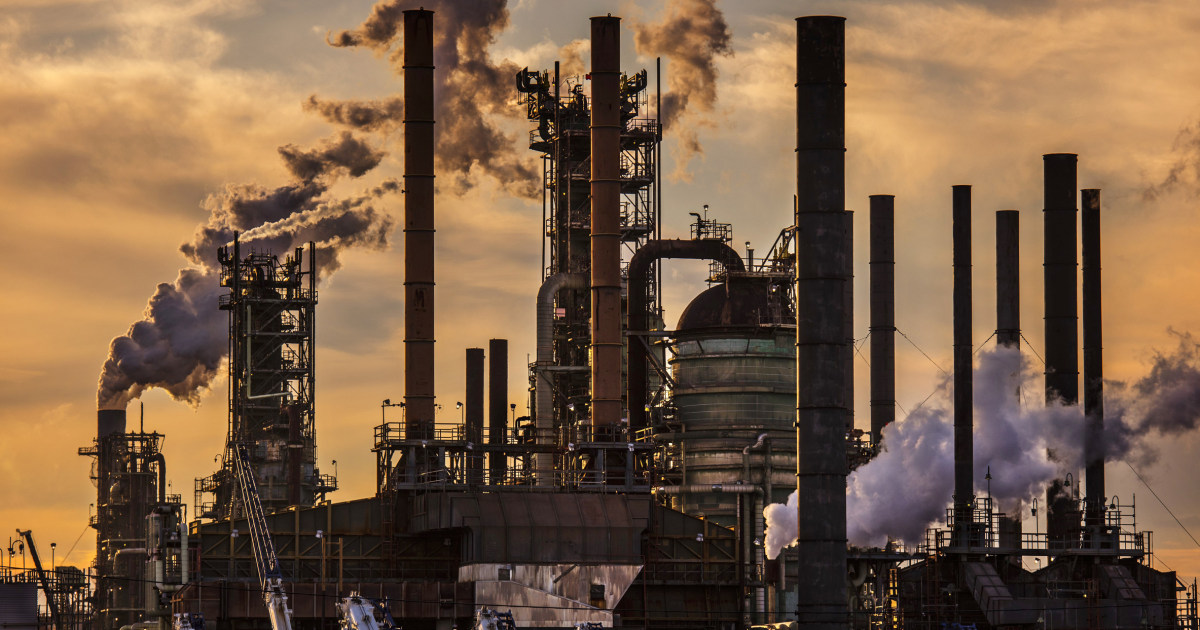
The Supreme Court has agreed to hear a case involving energy companies attempting to dismiss a lawsuit in Colorado that holds them accountable for climate change costs. This decision will have significant national implications, potentially affecting similar lawsuits filed by cities seeking damages. Exxon Mobil and Suncor Energy are appealing a Colorado Supreme Court ruling allowing a lawsuit by the City of Boulder and Boulder County to proceed. The lawsuit alleges that the companies are responsible for climate change damages due to their fossil fuel activities, violating state laws.
The companies argue that climate policy is a federal matter, as pollution crosses state lines and requires a comprehensive national approach. While air pollution is regulated under the federal Clean Air Act, efforts to address climate change at the national level have faced challenges. The Trump administration supported the companies in this case, while the Biden administration opposed them. Despite not being directly involved in the litigation, the Trump administration urged the Supreme Court to take up the Boulder case.
The Boulder lawsuit is part of a series of similar cases filed by cities and government entities against energy companies like BP, Chevron, and Shell. These lawsuits seek to hold the companies accountable for their role in climate change and the resulting damages. The outcome of the Supreme Court's ruling in this case will likely shape the future of climate change litigation in the United States, impacting how these cases proceed and whether companies can be held liable for their contributions to climate change.