Combatting Fake BTS Syndicates: Malaysia's Efforts to Tackle SMS Scams
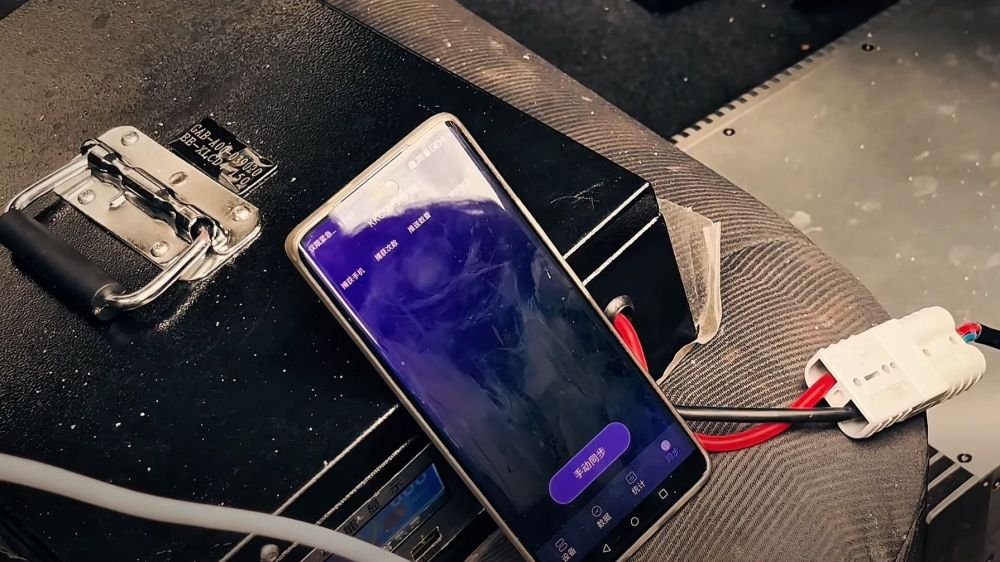
The rise in the use of Fake Base Transceiver Station (Fake BTS) devices has become a significant challenge for authorities in combating SMS scam syndicates. These devices, easily concealed in vehicles or bags, allow syndicates to operate undetected by the Malaysian Communications and Multimedia Commission (MCMC) and the Royal Malaysia Police (PDRM). The technology bypasses mobile network security, enabling scammers to send fraudulent SMS messages and malicious links within the device's coverage radius.
Deputy Communications Minister Teo Nie Ching highlighted the issue during a session in the Dewan Negara, emphasizing the reliance on public tip-offs to identify syndicates' locations. The MCMC, in collaboration with the police, has conducted operations like Op Pancing, Op Fake BTS, and Op Delusi since September 2024, successfully dismantling syndicates in areas like Kuala Lumpur and Johor Bahru. Possession or use of unauthorized communication equipment is an offense under the Communications and Multimedia Act 1998, carrying penalties of up to RM1 million in fines or up to 10 years in prison.
To address the misuse of SIM cards for digital fraud, a new SIM card registration standard operating procedure will be implemented on Feb 27. This measure aims to prevent line misuse and safeguard the country's digital ecosystem. Higher fines for telcos failing to comply with the new procedure will be enforced to ensure the effectiveness of the initiative. The collaboration between the MCMC and the police is crucial in combating the Fake BTS syndicates and protecting users from falling victim to SMS scams and fraudulent activities.