The Legacy of Polio: From Fear to Vaccination Success
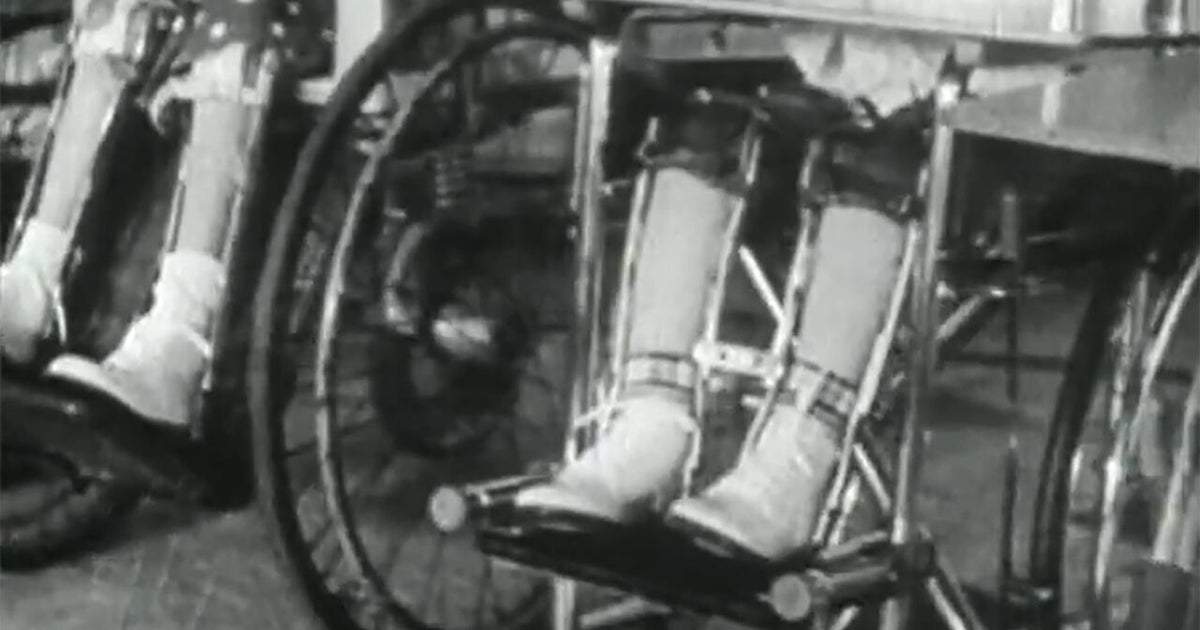
Itzhak Perlman, a talented musician, contracted polio at a young age, which left him needing braces and crutches to walk. He missed the opportunity to receive the polio vaccine, which became available in 1955, by about six years. The polio virus, which could cause severe paralysis, affected thousands of children worldwide, leading to the use of iron lungs to help them breathe. The virus spread through water, food, and close contact with infected individuals, with no cure or FDA-approved antiviral treatment available.
Historian David Oshinsky recalls the fear and restrictions imposed during the polio pandemic in the 1950s, where children had to avoid crowds and certain activities to prevent infection. The development of the polio vaccine by Dr. Jonas Salk in 1954 marked a significant turning point in combating the disease. The vaccine was tested on millions of children and proved to be safe and effective, leading to a drastic reduction in cases of paralytic polio.
The introduction of the oral polio vaccine by Dr. Albert Sabin in 1961 further contributed to the decline of polio cases in the United States and other countries. Despite these advancements, the virus still exists in some parts of the world, posing a risk of resurgence if not properly contained. Maintaining high vaccination rates is crucial to achieving herd immunity and protecting vulnerable populations with weakened immune systems.
While all 50 states mandate polio vaccination for school attendance, there has been a rise in parents seeking exemptions for their children, raising concerns about the potential resurgence of polio. Dr. Kirk Milhoan of the CDC suggested reevaluating the necessity of the polio vaccine in the context of modern sanitation and disease risks. However, experts like Oshinsky emphasize the importance of vaccination to prevent the reemergence of polio and protect public health.
Despite the progress made in eradicating polio, the threat of the virus remains, as evidenced by recent cases in under-vaccinated communities. Itzhak Perlman, who experienced the lifelong effects of polio, advocates for vaccination as a crucial measure to prevent the disease. With the success of vaccination programs over the past 70 years, Perlman urges individuals not to take the risk of forgoing vaccination and emphasizes the importance of maintaining immunity against polio.