Supreme Court Rules Against Trump's Tariffs: A Legal Defeat for the White House
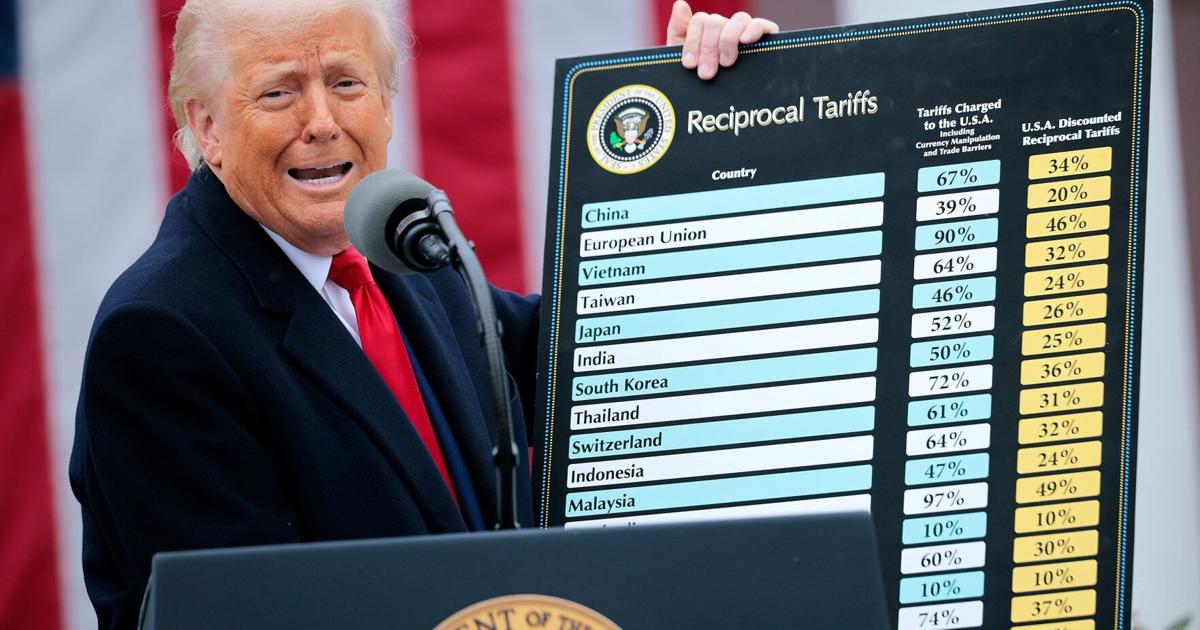
The Supreme Court recently ruled against President Donald Trump, stating that his imposition of tariffs violated federal law. This decision marks a significant setback for the White House, as the court found that the tariffs exceeded the president's authority. Chief Justice John Roberts authored the majority opinion, with a 6-3 ruling against the tariffs. The court did not specify what should happen to the over $130 billion already collected in tariffs.
President Trump expressed his displeasure with the ruling, calling it a disgrace. The administration had argued that tariffs were essential for the country's economic well-being, while small businesses challenging the duties viewed them as an overreach of presidential power. Justices Amy Coney Barrett and Neil Gorsuch joined Roberts and the liberal justices in the majority, while Justices Clarence Thomas, Samuel Alito, and Brett Kavanaugh dissented.
The court's decision focused on the lack of clear congressional authorization for the president to impose tariffs unilaterally. The majority opinion emphasized that the president's emergency authority under the International Emergency Economic Powers Act (IEEPA) did not extend to imposing tariffs. The issue of what to do with the collected tariff revenue remains unresolved and may need to be addressed by lower courts.
The case challenged Trump's tariffs on various countries, including China, Mexico, and Canada, under the IEEPA. The court's ruling highlighted the need for explicit authorization from Congress for significant policy actions. The decision is a significant blow to the Trump administration's use of emergency powers to impose tariffs and raises questions about potential refunds for affected importers.
Justice Elena Kagan wrote a concurrence, criticizing the conservative justices' use of the "major questions" doctrine to block the tariffs. She argued that ordinary statutory interpretation led to the same conclusion against the tariffs. The court's decision underscores the importance of clear congressional authorization for presidential actions with major economic implications.
In conclusion, the Supreme Court's ruling against President Trump's tariffs represents a significant legal defeat for the administration. The decision highlights the court's role in interpreting the limits of presidential authority and the need for congressional oversight in matters of economic policy. The unresolved issue of what to do with the collected tariff revenue adds complexity to the aftermath of the ruling and may require further legal proceedings to address.