Reviving Floreana Island: The Return of Giant Tortoises and Ecological Restoration in the Galápagos
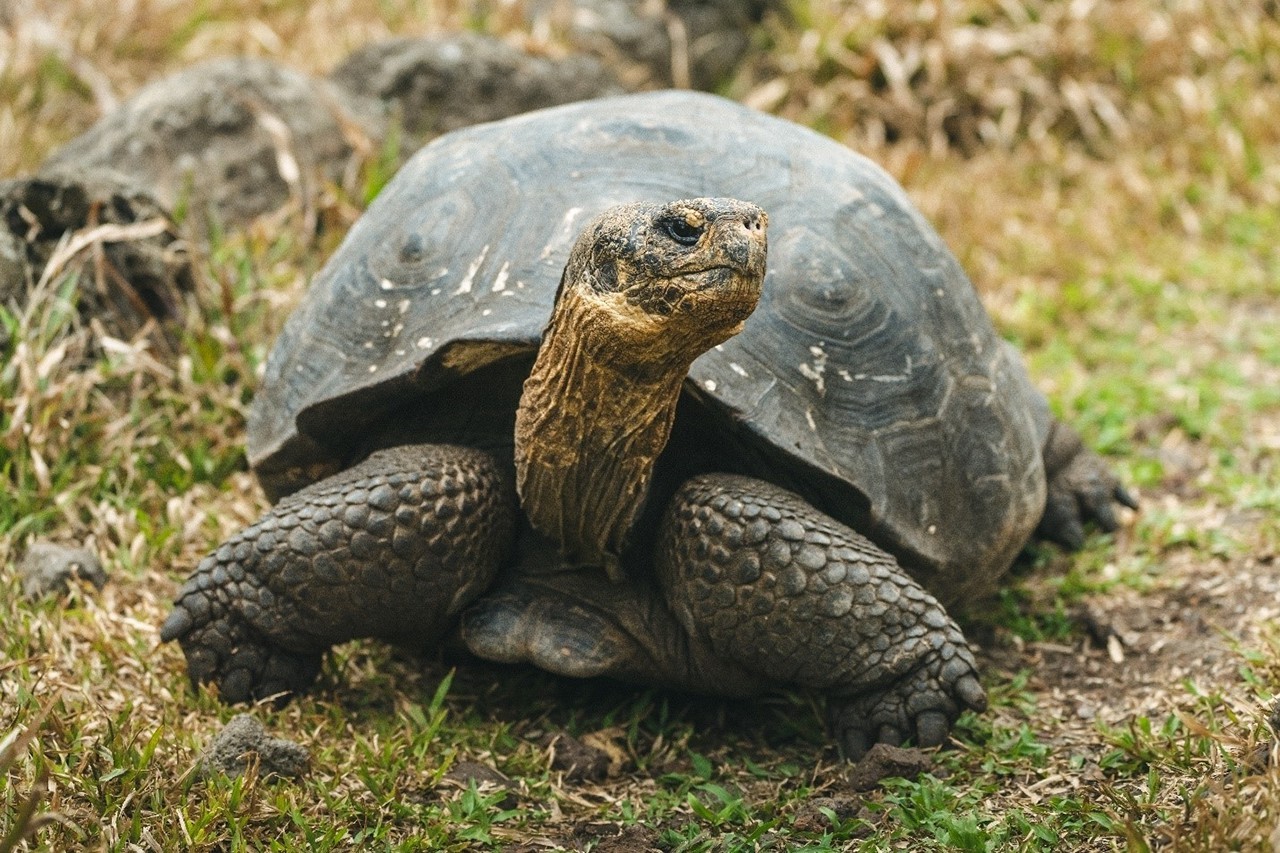
Giant tortoises are making a comeback on Floreana Island in the Galápagos after disappearing over 150 years ago due to hunting and the introduction of predators. The Galápagos National Park Directorate and Galápagos Conservancy are working together to restore tortoise populations on the island. Tortoises play a crucial role in shaping the landscape by grazing vegetation, creating pathways, and dispersing seeds across the islands.
In a significant milestone, 158 giant tortoises were released on Floreana Island on February 20. These tortoises, with Floreana ancestry, were discovered on Isabela Island's Wolf Volcano, leading to a breeding program that aims to reintroduce them to their native habitat. The Galápagos National Park Directorate has been involved in rewilding efforts for over 60 years, releasing more than 10,000 tortoises across the archipelago.
NASA satellite data is being used to determine the best locations for releasing the tortoises based on environmental conditions such as vegetation, moisture, and temperature. By combining satellite measurements with field observations of tortoise locations, scientists can predict where the animals will thrive now and in the future. The decision tool developed by the research team helps guide the release of tortoises to areas where they have the best chance of survival.
The Floreana Ecological Restoration Project aims to not only reintroduce tortoises but also remove invasive species and restore the island's ecosystem. By using NASA satellite data and habitat suitability models, the project hopes to bring back native animal species and rebuild the relationships between animals, plants, and the landscape on Floreana Island. The success of this project could serve as a model for future reintroductions across the Galápagos archipelago.
In conclusion, the return of giant tortoises to Floreana Island signifies a significant step in ecological restoration efforts in the Galápagos. With the help of NASA satellite data and scientific research, the project aims to revive the island's natural heritage and demonstrate the possibility of large-scale ecological restoration. The collaboration between conservation partners and the use of advanced technology highlight the importance of science and long-term commitment in restoring ecosystems and preserving biodiversity.