Navigating Tariff Refunds: What Importers Need to Know
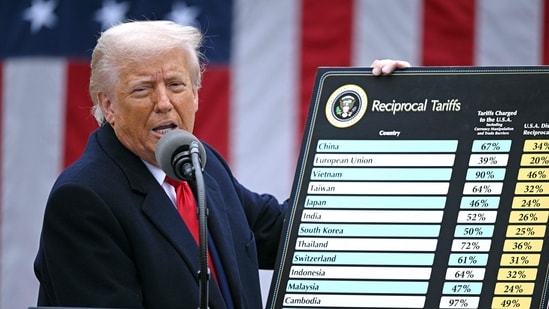
The Supreme Court recently ruled that President Donald Trump did not have the legal authority to impose tariffs under an emergency law, leaving unresolved the issue of tariff refunds for companies that have paid billions of dollars to the US government. Importers and retailers may now face a prolonged battle to recoup up to $170 billion in tariffs they have already paid. The court's decision did not address the process for importers to reclaim the money collected by the government under the International Emergency Economic Powers Act.
US Customs and Border Protection has collected an estimated $170 billion in tariffs imposed by Trump using the International Emergency Economic Powers Act. The court ruled that using this law to impose tariffs was not lawful, but did not determine whether importers are entitled to refunds, leaving the issue to be resolved by a lower court. More than 1,500 companies have filed tariff lawsuits in anticipation of potential refunds, and the US Court of International Trade will handle the legal proceedings moving forward.
The trade court has requested guidance from the Justice Department on how to handle the refund process if importers are deemed eligible. The government has indicated that it will not contest the court's authority to order tariff recalculations but may seek to limit which importers can receive refunds. The scale of the contested tariffs is significant, with over 300,000 importers having paid the duties by the end of 2025. The refund process and timeline remain uncertain, posing challenges for companies seeking to recoup their payments.
The potential for tariff refunds presents an opportunity for importers, but the specifics of the refund process and eligibility criteria are still unclear. The US Treasury has sufficient funds to return revenue collected under the International Emergency Economic Powers Act, but the refund process could take weeks, months, or even over a year to complete. Industries such as textiles, toys, food and beverages, machinery, electronics, autos, and construction are among those most affected by the tariffs and may stand to benefit from potential refunds.
Customs brokers and lawyers are advising companies to prepare their import records for a potential refund push, despite uncertainties about the refund process requirements. The administration could impose strict criteria for obtaining refunds, such as proof that the cost was not passed on to consumers or extensive paperwork for each shipment. Importers are urged to organize their import records and stay informed about developments in the refund process as they await further guidance from the government.
Starting February 6, the US Treasury will transition from issuing paper check refunds to electronic payments for Customs and Border Protection refunds, streamlining the refund process for importers. The shift to electronic payments aims to enhance efficiency and facilitate the distribution of refunds to eligible importers. Importers should stay updated on these changes and prepare for potential refund claims as the legal proceedings unfold.