Controversy Surrounding EPA's Rejection of Colorado's Coal Plant Closure Plan
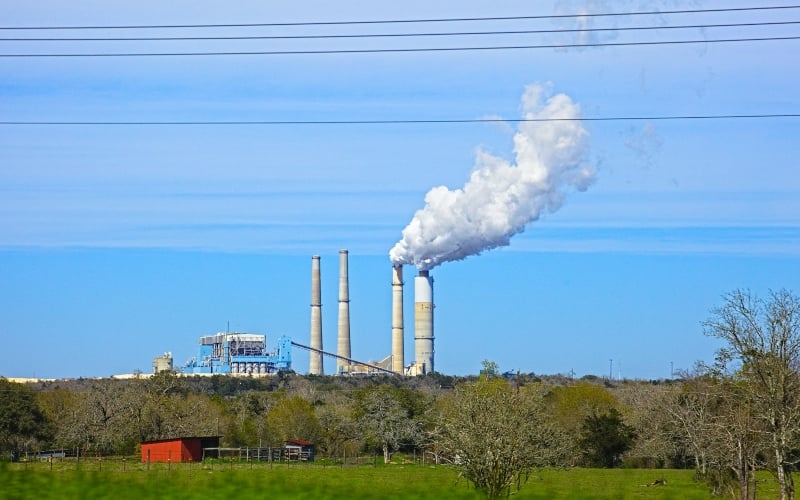
The recent actions of the Trump administration have raised concerns about the use of the U.S. Environmental Protection Agency (EPA) and the Clean Air Act to prevent coal plant closures in Colorado. The EPA's decision to reject Colorado's Regional Haze State Implementation Plan, which aimed to close six remaining coal plants by 2031, has sparked controversy. Critics argue that the EPA's move could set a dangerous precedent and undermine environmental regulations.
The EPA's justification for rejecting Colorado's plan was based on concerns about private property rights and grid reliability, rather than environmental considerations. The agency's decision to disapprove the plan has raised questions about its motives and potential impact on future plant closures. Environmental advocates fear that the EPA's actions could lead to a rollback of pollution controls and environmental commitments in the state.
The Trump administration's focus on increasing energy demands, including for artificial intelligence, has been cited as a reason for supporting coal plant operations. The administration has issued orders to keep coal plants online past their planned retirement dates, despite opposition from operators and customers. The EPA's decision in Colorado is seen as part of a broader effort to support the coal industry and prevent plant closures.
Critics of the EPA's decision argue that it goes against the original intent of the Clean Air Act and could have far-reaching implications for environmental protection. The agency's emphasis on private property rights and grid reliability has been met with skepticism, as it appears to prioritize industry interests over public health and environmental concerns. The future of coal plant closures and pollution controls in Colorado remains uncertain in light of the EPA's actions.
In conclusion, the EPA's rejection of Colorado's plan to close coal plants has raised concerns about the agency's priorities and its impact on environmental regulations. The decision reflects a broader trend of supporting the coal industry and preventing plant closures, despite the potential risks to public health and the environment. Environmental advocates are calling for greater transparency and accountability in the EPA's decision-making process to ensure that environmental protections are not compromised.