Enhancing Ski Safety: The Future of Smart Bindings and Injury Prevention
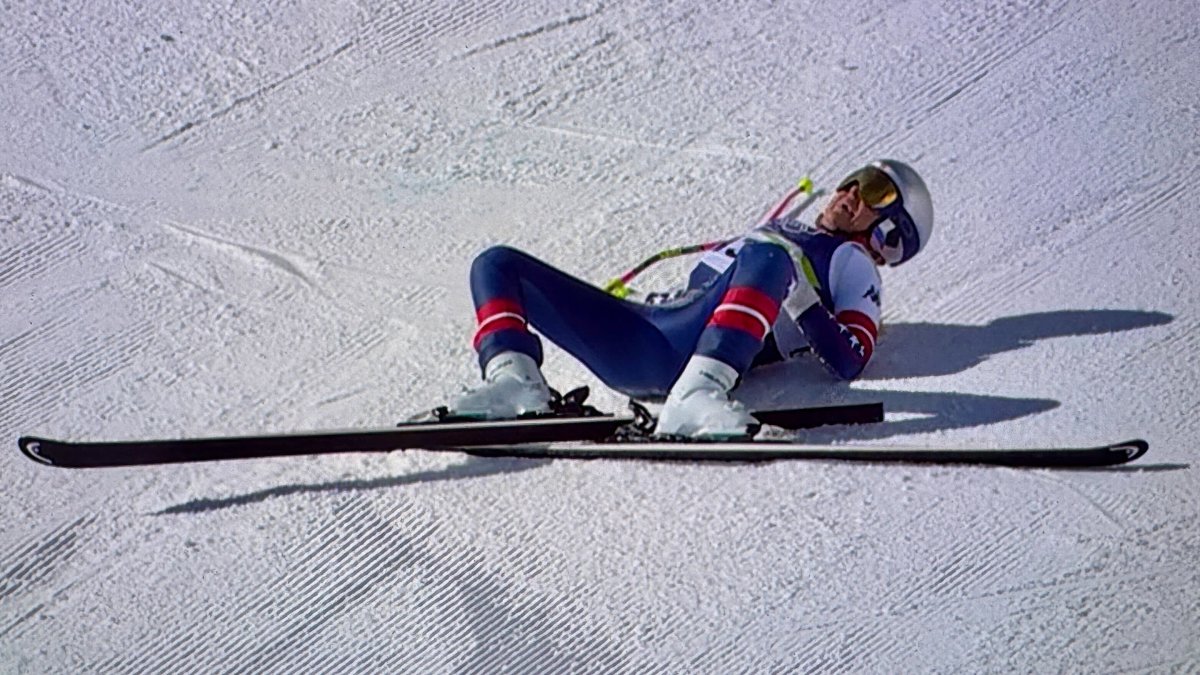
The recent incident involving Lindsey Vonn's crash at the Olympics has brought attention to the importance of ski bindings in preventing serious injuries. Vonn's skis did not release during her fall, leading to a complex tibia fracture that required multiple surgeries. The current binding system, which has remained largely unchanged for decades, requires pressure to release the boot, with adjustments made based on skill level to keep elite racers on their skis.
Discussions have been ongoing about developing a "smart binding" system that would automatically release when a skier loses control, potentially preventing injuries like Vonn's. This system would use an algorithm to trigger the release of the skis, similar to the technology used in safety air bags for skiers. Companies like Dainese are working with top binding suppliers to adapt the algorithm for ski bindings.
Releasing skis at the right moment is crucial, as elite skiers can often recover from falls and use their skis to brake before hitting safety fences. The development of a smart-binding system is a complex and costly project, with issues remaining over who will fund it. While progress is being made, it may take several years before the system is implemented on a wider scale.
In the meantime, ski technicians adjust bindings to keep racers securely locked in, with pressures exceeding what store-bought bindings can handle. Some racers, like Austrian Marco Schwarz, are cautious about introducing more technology and prefer to keep things simple. Safety advancements, such as cut-resistant undergarments and improved racing suits, are also being considered to enhance skier safety on the slopes.
As the ski industry continues to prioritize safety, the development of smart-binding systems and other safety measures will play a crucial role in preventing serious injuries and ensuring the well-being of athletes on the slopes.