Vice President JD Vance's Controversial Speech at Munich Security Conference: A Critical Analysis of Free Speech and Democracy
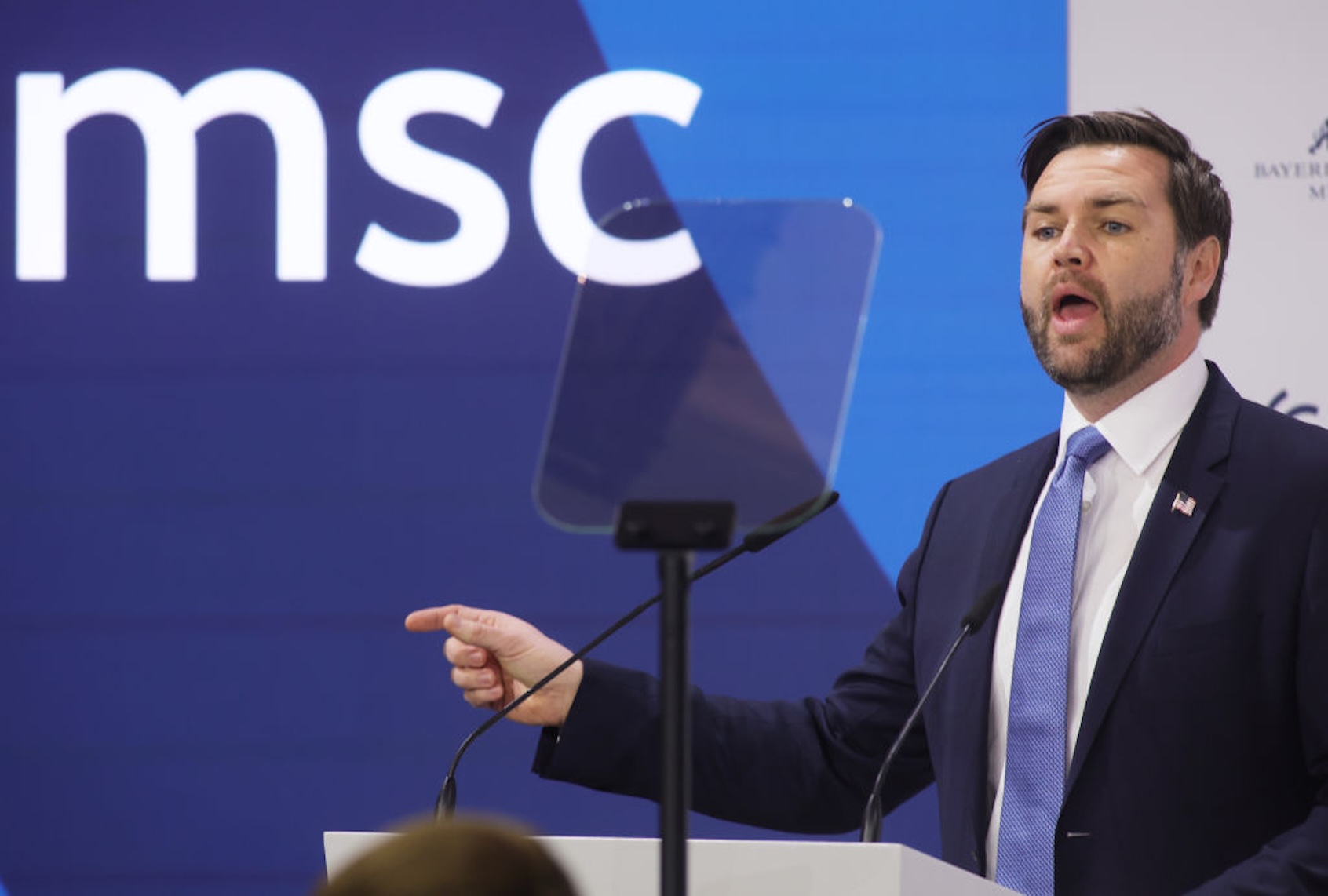
Vice President JD Vance's controversial speech at the Munich Security Conference in 2005 marked a departure from the usual diplomatic rhetoric, as he criticized European policies and values. Vance's focus on the "threat from within" rather than external threats like China and Russia raised eyebrows and drew parallels to historical propaganda tactics. His remarks, which included false claims about free speech violations in Europe, immigration criticism, and defense of right-wing groups, left the audience stunned and highlighted a growing rift in the transatlantic alliance.
A year later, as the Trump administration intensified its assault on the First Amendment, Vance's speech resurfaced as a call for defending free speech rights even for disliked groups. However, the administration's selective approach to free speech, favoring allies and silencing opponents, contradicted Vance's earlier stance. Trump and Vance framed the battle for "civilization" as a clash between Christian, capitalist, conservative values and perceived enemies within the country, labeling dissent as treason and targeting critics.
Trump's rhetoric in Poland emphasized Western identity and the need to protect civilization from subversion, echoing Vance's concerns about preserving fundamental values. The administration's crackdown on dissent, including targeting comedians, journalists, and politicians critical of the government, revealed a pattern of stifling opposing views under the guise of protecting American principles. Trump's executive order aimed at combating perceived threats to free speech further raised concerns about suppressing dissenting voices.
Vance's Munich speech emphasized the importance of defending diverse viewpoints and allowing for open discourse, contrasting with the administration's actions that undermined free expression. Despite his initial defense of free speech, Vance's alignment with Trump's attacks on the First Amendment and support for restricting dissenting voices have raised questions about his commitment to democratic values. In a political landscape where free speech is increasingly under threat, vigilance against censorship and suppression of dissenting voices remains crucial to safeguarding democracy.