Maryland Governor Signs Legislation Prohibiting Local Immigration Enforcement Agreements with ICE
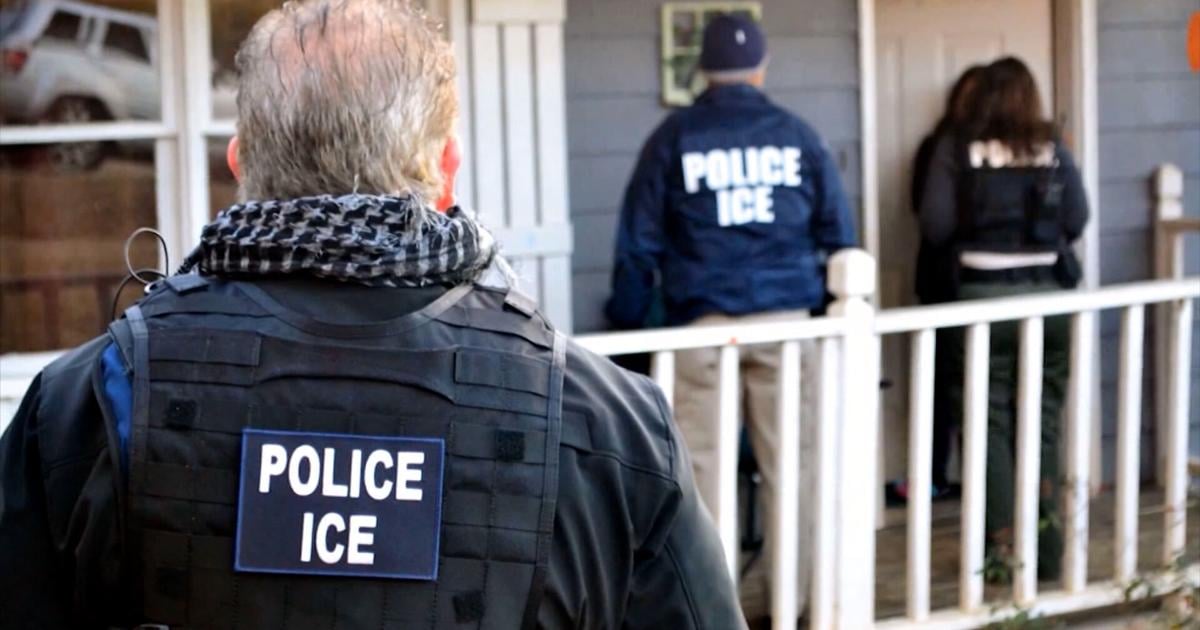
Maryland Governor Wes Moore has recently signed legislation that prohibits local governments and police from forming agreements with federal Immigration and Customs Enforcement (ICE). The bills, Senate Bill 245 and House Bill 444, were passed by the Maryland General Assembly and prevent state, local agencies, and county sheriffs from entering 287(g) agreements with ICE. These agreements allow local law enforcement to carry out immigration functions under ICE supervision. The new legislation requires existing partnerships to be terminated by July 2026.
Wicomico County Executive Julie Giordano had announced plans for the county to partner with ICE under a Warrant Service Officer model of 287(g), joining seven other counties in Maryland with similar agreements. Despite Giordano's opposition to the bills, Governor Moore signed them into law, emphasizing the importance of immigration rights. The signing took place in Annapolis, where immigration advocacy groups gathered to witness the event.
Following the signing of the legislation, Republicans in Annapolis criticized the move, accusing Maryland Democrats of prioritizing the protection of criminal immigrants over public safety. Delegate Lauren Arikan from the Maryland Freedom Caucus expressed concerns about the impact of the legislation on law enforcement efforts, particularly in combating crimes like child predation. Despite potential legal challenges, Executive Giordano stated that she would comply with the law once it is enacted.
As the situation continues to evolve, updates on any developments related to the legislation will be provided. The signing of the bills marks a significant step in Maryland's approach to immigration enforcement and underscores the ongoing debate surrounding the role of local law enforcement in federal immigration matters.