Rise in ICE Agreements with Local Law Enforcement: Impact and Controversies
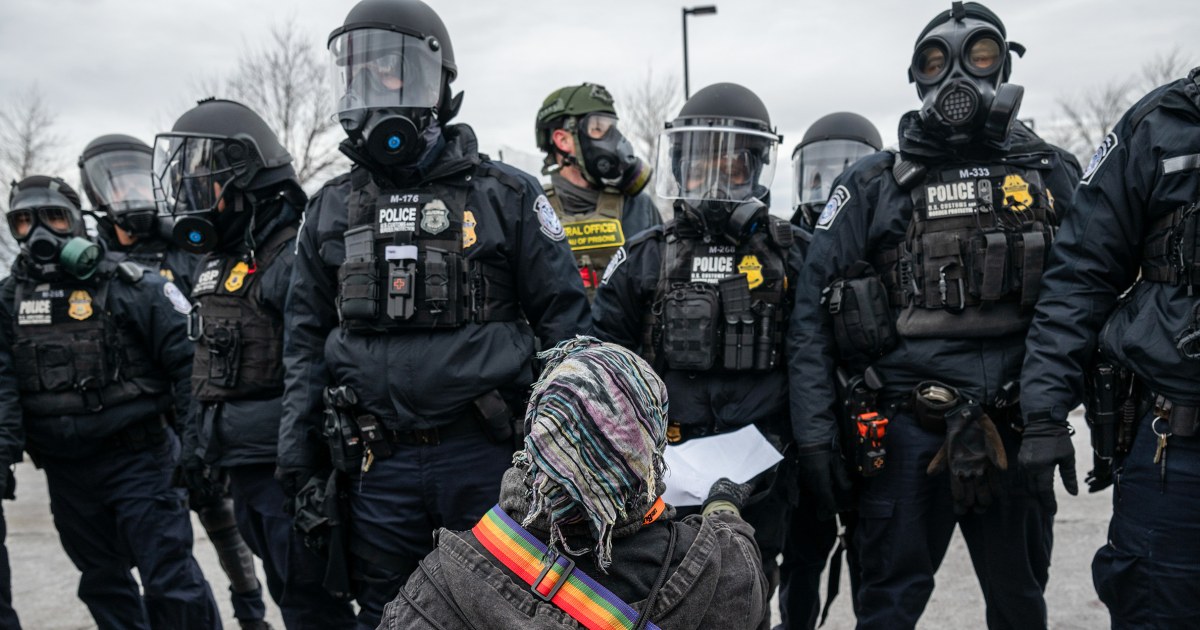
The number of agreements between Immigration and Customs Enforcement (ICE) and local law enforcement agencies allowing officers to make federal immigration arrests has significantly increased during President Donald Trump's second term. A recent analysis of ICE data revealed a 950% rise in these agreements, with 1,168 agencies now having officers trained to assist ICE. The Trump administration has been urging local law enforcement to aid in deportation operations by deputizing officers to make arrests based on suspicions of individuals being in the country illegally.
Under this program, local police officers are deputized by ICE while still expected to carry out their regular duties. Some police departments, like the Dallas Police Department and Montgomery County, Maryland, have expressed concerns about joining the program, citing potential disruptions to their normal operations. However, in New Orleans, Republican Gov. Jeff Landry issued an executive order directing state law enforcement agencies to support federal immigration operations, encouraging local departments to participate.
The "task force" model, which allows local officers to assist in federal immigration operations, was reinstated by the Trump administration in early 2025 after being discontinued by the Obama administration in 2012. ICE's program offers financial incentives to law enforcement agencies, including funding for equipment, vehicles, and overtime pay for officers. Currently, 39 states have policing agencies participating in the program, with Florida, Texas, Tennessee, Pennsylvania, and Alabama having the most agreements.
According to the analysis by FWD.US, state and local law enforcement agencies could receive between $1.4 billion and $2 billion this year if they agree to participate in the program. As cooperation between federal and local law enforcement grows, support for Trump's immigration agenda has been declining, particularly after recent incidents involving federal immigration agents. Criticism of immigration enforcement tactics has primarily targeted federal officers, but with more local police being trained to make immigration arrests, the focus could shift in the future.
In conclusion, the increase in agreements between ICE and local law enforcement agencies for federal immigration arrests has raised concerns and sparked debates about the role of local police in immigration enforcement. The financial incentives offered by ICE to participating agencies have led to a significant rise in the number of agreements, with potential funding reaching billions of dollars. As public opinion on Trump's immigration policies shifts, the collaboration between federal and local law enforcement in immigration enforcement continues to evolve.