Blade Angels: The Unconventional American Women Redefining Figure Skating
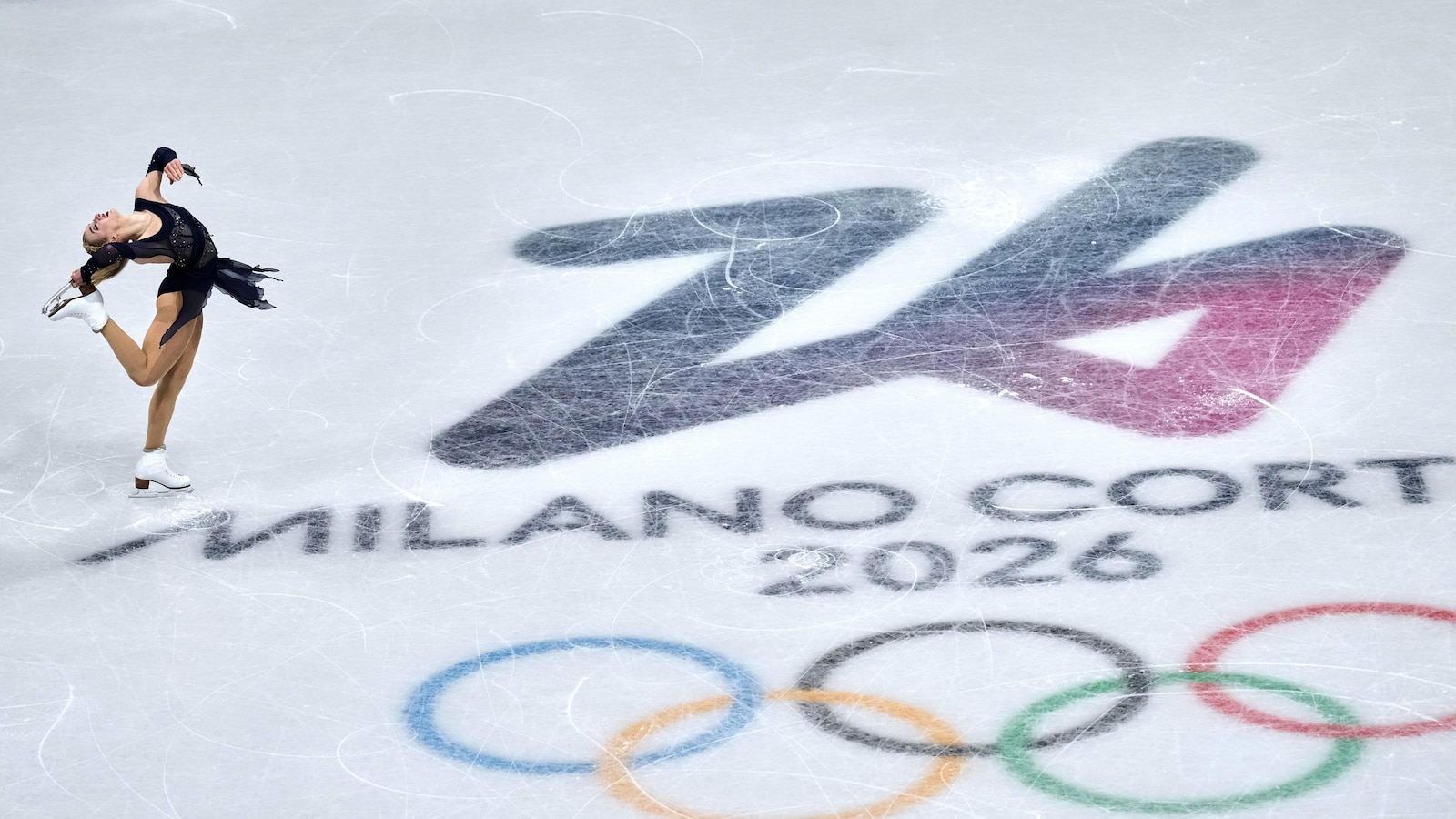
The three American women competing for Olympic figure skating gold in Milan are not your typical ice princesses. Amber Glenn, a 26-year-old LGBTQ+ rights activist, Alysa Liu, a 20-year-old alt, punk, and emo hero, and Isabeau Levito, an 18-year-old with a sharp wit, make up the Blade Angels. They are a new kind of role model for American girls, representing diversity and individuality in the sport.
Amber Glenn, hailing from Plano, Texas, has faced personal challenges like an eating disorder, depression, and ADHD. She identifies as pansexual and uses her platform to speak out on political and social issues. After a hiatus from the sport, Glenn returned to win an Olympic gold medal in the team event, embracing the changes in figure skating that have made it a more welcoming environment for her.
Alysa Liu, the only member of the team with prior Olympic experience, retired at 16 due to her dislike for the sport. During her break, she explored new interests, including climbing Mt. Everest and studying psychology at UCLA. Liu's comeback led to a world title and a renewed passion for skating, symbolized by the growth rings in her hair that represent her personal growth and self-discovery.
Isabeau Levito, inspired by Russian skater Evgenia Medvedeva, brings a sense of purity to the ice with her angelic energy. Despite her innocent image, Levito's biting sarcasm and humor shine through when she's away from the public eye. She, like Glenn and Liu, navigates the balance between her public persona and her true self, projecting an image that she believes people want to see.
The Blade Angels are not just figure skaters; they are symbols of resilience, individuality, and authenticity. Each woman brings her unique strengths and personality to the ice, inspiring a new generation of skaters and fans. As they compete for Olympic gold, they represent the diversity and complexity of modern figure skating, showing that success comes in many forms.