Unpredictable Shifts: Navigating the Complex Political Landscape of Latino Voters in the 2026 Elections
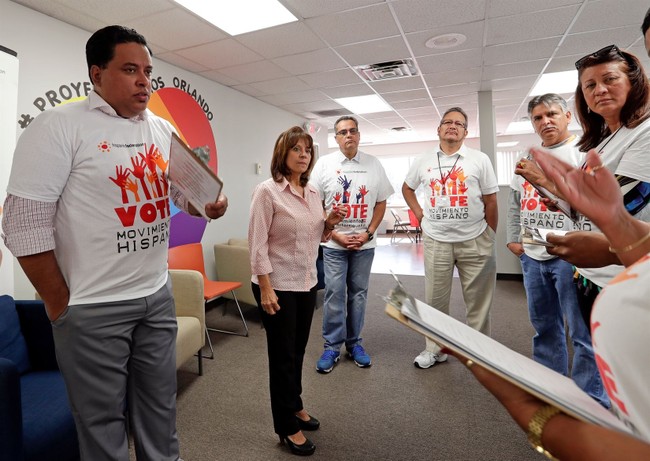
In the lead-up to the 2026 elections, the political landscape for Latino voters appears to be shifting, challenging the traditional assumptions of their voting behavior. Recent surveys highlight the unpredictability and complexity of this demographic group, which now ranks as the nation's second-largest voting-age population. While Democrats still hold an advantage in overall House ballot preference, there are signs of internal divisions and changing dynamics within the Latino electorate.
Economic concerns, such as the cost of living, jobs, and healthcare affordability, are top priorities for Latino voters, creating cross-pressures that do not neatly align with party lines. Additionally, civil liberties and immigration enforcement issues cut across ideological lines and vary by region. The regional differences in states like Arizona, Texas, Nevada, and Florida further complicate the political landscape, with border communities and suburban districts responding to distinct pressures.
Recent elections have shown that Latino voter turnout patterns can alter expectations in traditionally Republican strongholds, indicating a fragmented rather than a realigned political landscape. With economic stress, low institutional trust, and regional divergence among Latino voters, traditional polling models face challenges in accurately forecasting their behavior. In a midterm election where small shifts within the Latino electorate could have significant impacts, the complexity and unpredictability of this demographic group add a layer of uncertainty to the political landscape.
As the Latino electorate moves in multiple directions simultaneously, the upcoming elections may see a diverse range of voting patterns and outcomes. The shifting dynamics within this demographic group highlight the need for a nuanced understanding of their concerns and priorities in shaping political strategies and messaging.