The Global Implications of Poison: The Case of Alexei Navalny and the Use of Exotic Toxins in Political Assassinations
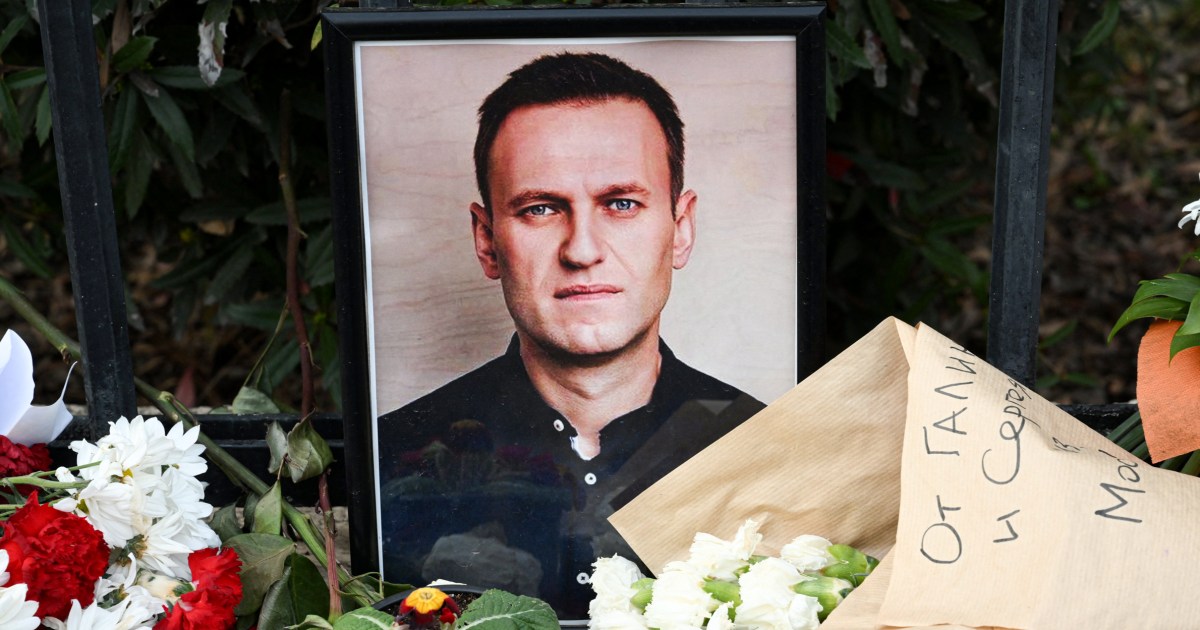
The use of poison as a method of political assassination has evolved into a modern-day tactic with global implications. The recent case involving Russian opposition leader Alexei Navalny has once again brought accusations of poisoning to the forefront. Western governments have reported the presence of the rare frog-derived toxin epibatidine in Navalny's body, linking it to poison dart frogs from Ecuador. This revelation adds to the ongoing narrative of high-profile poison cases in Russia, with Moscow consistently denying any involvement in these incidents.
The joint statement by the U.K., France, Germany, Sweden, and the Netherlands confirmed the presence of epibatidine, a potent neurotoxin, in Navalny's system following his death in a Siberian penal colony in 2024. Despite Russia's claims of Navalny's death being due to feeling unwell, British officials assert that only the Russian government could have had the means and opportunity to use such a toxin against Navalny. The case has been reported to the Organization for the Prohibition of Chemical Weapons, highlighting the seriousness of the situation.
The exotic nature of epibatidine, a toxin with lethal doses measured in minuscule amounts, underscores the advanced chemical capabilities required to produce and deploy such a substance. The synthetic accessibility of the toxin, which can be reproduced in a lab setting, raises concerns about the potential use of such deadly agents as weapons. The extreme potency of epibatidine makes it a formidable threat, with even tiny doses proving lethal once symptoms manifest.
The international ban on the use of chemical agents to harm individuals, as outlined in the Chemical Weapons Convention, underscores the gravity of such attacks. Despite the strict regulations surrounding nerve agents like Novichoks, Russia has a history of employing toxic substances in targeted attacks. Past incidents, such as the poisoning of Alexander Litvinenko with polonium-210 in 2006 and the Salisbury attack using Novichok in 2018, have drawn widespread condemnation and raised concerns about the use of chemical weapons for political purposes.
In conclusion, the case of Alexei Navalny's poisoning sheds light on the dangerous intersection of politics and poison, highlighting the need for international cooperation to prevent the misuse of chemical agents. The presence of exotic toxins like epibatidine underscores the evolving nature of modern-day poisonings and the challenges they pose to global security. Efforts to hold accountable those responsible for such attacks are crucial in deterring future incidents and upholding the principles of international law.