Navigating Profound Autism: The Murphy Family's Journey
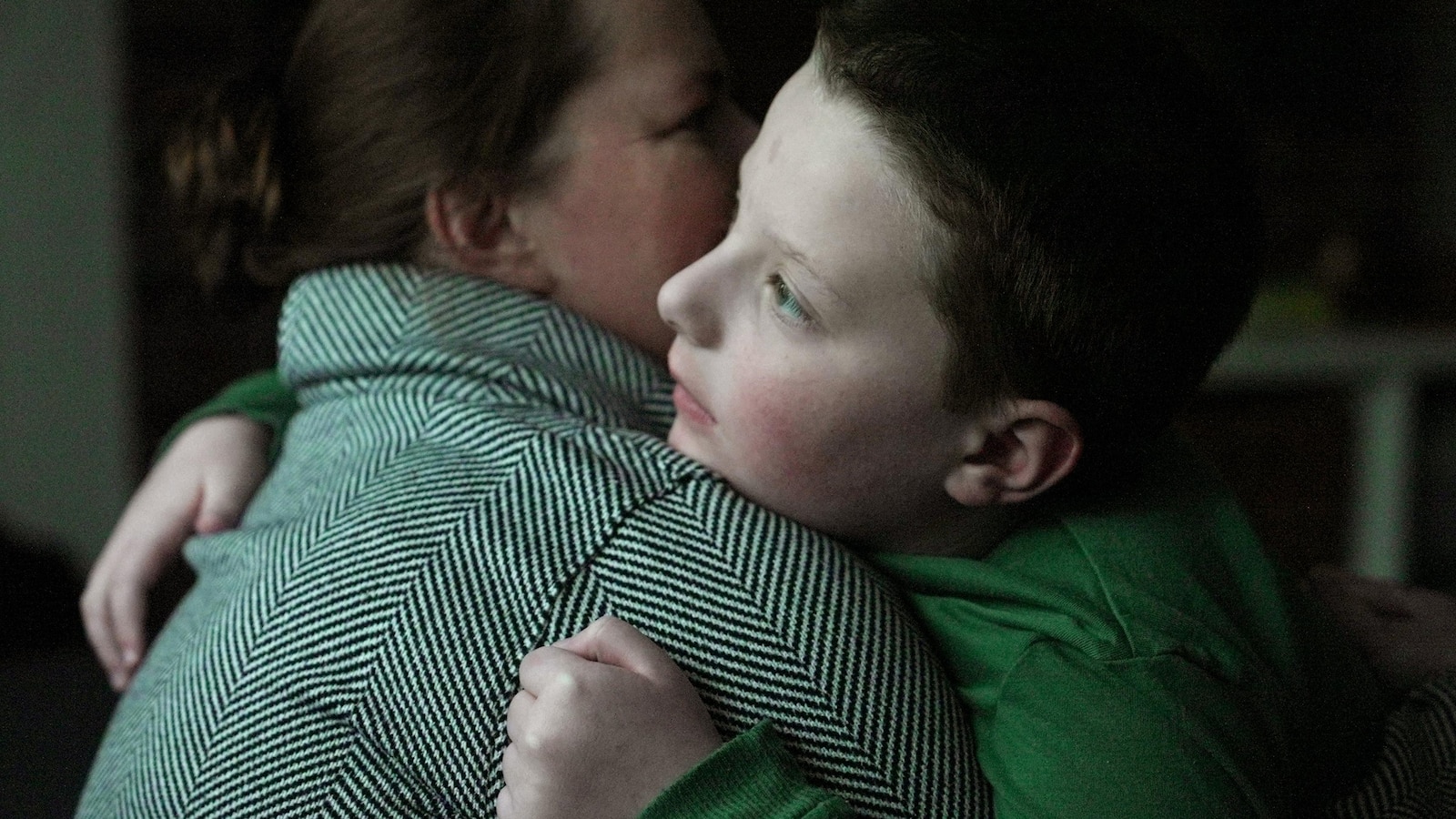
The Murphy family faces the daily challenges of caring for their twin sons, Connor and Ronan, who both have profound autism. The boys require constant care and support due to their developmental condition, which includes intellectual disability and limited verbal communication. The family has taken proactive measures to ensure the safety of the twins, including using GPS locators and alarms on doors and windows. Despite the challenges, the Murphys strive to provide their sons with enriching experiences and opportunities to engage with the community.
The diagnosis of autism spectrum disorder has broadened over the years, encompassing individuals with varying levels of support needs. The Trump Administration's promotion of unproven claims about autism causes has added to the confusion surrounding the condition. There is now a growing movement to separate profound autism into its own diagnosis to ensure that individuals like Connor and Ronan receive the specialized support and services they require.
In the United States, an estimated 1 in 31 children have autism spectrum disorder, with approximately a quarter of them classified as having profound autism. The Murphys recognized early on that their twins were at a higher risk of neurodevelopmental disabilities due to being born prematurely. The boys were officially diagnosed with level 3 autism at age 4, indicating the highest level of need. Despite the challenges, the family remains dedicated to helping the boys thrive and preparing them for adulthood.
The Murphys prioritize the well-being and development of their sons, engaging them in activities that promote their independence and communication skills. They receive applied behavior analysis therapy at home to support their learning and growth. As the twins approach adulthood, the family faces uncertainties about their future care and support. The Murphys work full-time but worry about providing for their children's lifelong needs and ensuring their well-being when they are no longer around.
In conclusion, the Murphy family's journey with profound autism highlights the complexities and challenges faced by families caring for individuals with high support needs. The push to separate profound autism into its own diagnosis reflects the need for specialized services and research to support individuals like Connor and Ronan. Despite the uncertainties ahead, the Murphys remain committed to providing their sons with love, care, and opportunities to thrive.