From Prosperity to Despair: The Decline of Cabimas, Venezuela's Oil Industry
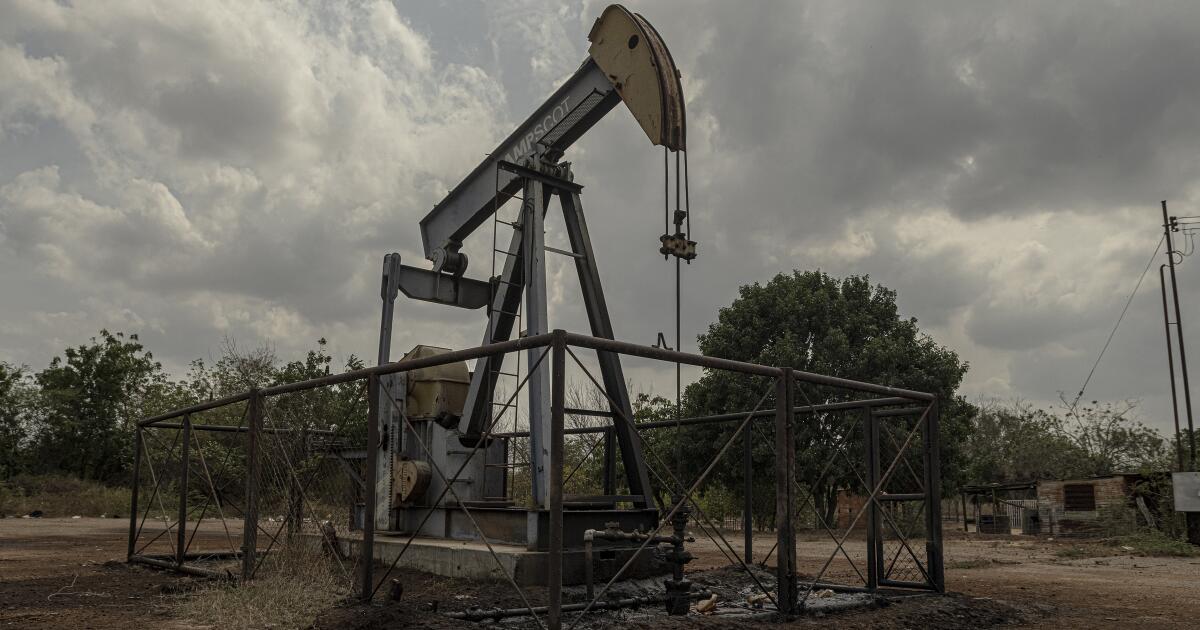
Cabimas, Venezuela, once a thriving hub of the petroleum industry, now stands as a shadow of its former self. The once-prosperous oil sector has deteriorated, leaving behind rusted pumps, vandalized buildings, and a sense of despair among the local population. Former petroleum engineer Manuel Polanco reflects on the stark contrast between the past glory and the current bleak reality, where survival is a daily struggle.
The Maracaibo Basin, a historic source of petroleum, has witnessed a decline in its oil production and infrastructure. Despite President Trump's promises to revive Venezuela's oil sector, the region faces numerous challenges, including nonfunctioning wells, damaged pipelines, and depleted storage tanks. The Orinoco Belt, home to vast oil reserves, offers hope for a potential resurgence, but the road to recovery is long and costly.
Oil-field veterans like José Celestino García Petro envision a return to the prosperous days of the past. Venezuela's peak oil production in the 1970s has dwindled significantly due to various factors, including plummeting crude prices, mismanagement, and sanctions. The country's current oil output is a fraction of its former capacity, contributing to the nation's economic and social turmoil.
The U.S. government's plans to support Venezuela's oil industry have sparked skepticism and hope among the local population. Energy Secretary Chris Wright's visit to Venezuela and promises of progress in revitalizing the sector offer a glimmer of optimism. However, the daunting task of rebuilding the country's deteriorated oil infrastructure requires substantial investment and expertise from Big Oil.
The shores of Lake Maracaibo, once bustling with oil activity, now bear witness to the remnants of a bygone era. Abandoned pumps, decaying derricks, and polluted coastlines serve as reminders of the region's faded glory. Local residents like Joel José León Santo struggle to make ends meet, relying on fishing for sustenance in a challenging environment plagued by neglect and uncertainty.
In towns like El Güere and Cabimas, the impact of the oil industry's decline is palpable. Squatters occupy abandoned homes, former oil workers face unemployment, and once-thriving businesses lie dormant. The lack of opportunities and basic services exacerbates the hardships faced by the local population, leading to a sense of desolation and uncertainty about the future.
The history of Lake Maracaibo's oil industry dates back to the early 20th century when the discovery of oil reserves transformed the region's economy. The boom in oil production attracted foreign investors and workers, propelling Venezuela to become a major oil exporter. However, decades of boom-and-bust cycles, political upheavals, and economic challenges have taken a toll on the country's oil sector, leading to its current state of decline.
As Venezuela grapples with the monumental task of reviving its oil industry, the hopes of former oil workers like Manuel Polanco and Michelle Bello are intertwined with the uncertain future of the sector. The legacy of past prosperity and the challenges of the present converge in a narrative of resilience and perseverance. The road to rebuilding Venezuela's oil industry is fraught with obstacles, but the potential for a resurgence remains a beacon of hope for a nation in need of economic recovery.