Navalny Poisoning: UK and European Allies Blame Kremlin for Lethal Toxin Attack
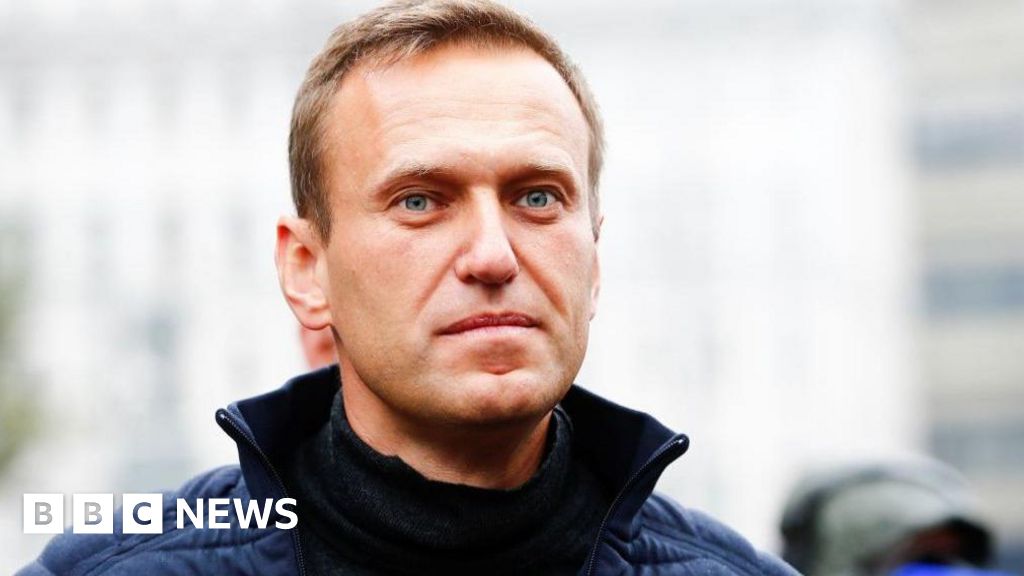
The UK and European allies have concluded that Russian opposition leader Alexei Navalny was killed using a poison derived from a dart frog toxin. The toxin, known as epibatidine, was found in samples taken from Navalny's body, leading to the blame being placed on the Kremlin for his death. The allies, including the UK, Sweden, France, Germany, and the Netherlands, stated that only the Russian state had the means, motive, and opportunity to deploy such a lethal toxin against Navalny during his imprisonment in Russia.
Foreign Secretary Yvette Cooper, speaking at the Munich Security Conference, emphasized that the Russian government's use of this poison demonstrated their fear of political opposition and the extreme measures they were willing to take. The presence of epibatidine in Navalny's body, a toxin not naturally found in Russia, raised serious concerns about his death. The UK has reported Russia's alleged breach of the Chemical Weapons Convention to the Organisation for the Prohibition of Chemical Weapons.
Navalny, a prominent anti-corruption campaigner and opposition leader in Russia, died suddenly in jail at the age of 47. His wife, Yulia Navalnaya, had long maintained that her husband was poisoned while serving his prison sentence. The announcement of the toxin's presence in Navalny's body provided concrete evidence to support her claims. The Kremlin has not responded to these allegations, and Russian President Vladimir Putin briefly acknowledged Navalny's passing as a "sad event."
The use of epibatidine, a highly potent neurotoxin, in Navalny's case raised questions about the circumstances surrounding his death. The toxin, which can cause muscle twitching, paralysis, seizures, and respiratory failure, is extremely rare and challenging to obtain. The findings of the UK and its allies shed light on the tragic fate of Navalny and the lengths to which the Russian state may go to silence political dissent.