Navalny Poisoning: Kremlin's Alleged Use of Deadly Toxin Sparks International Outrage
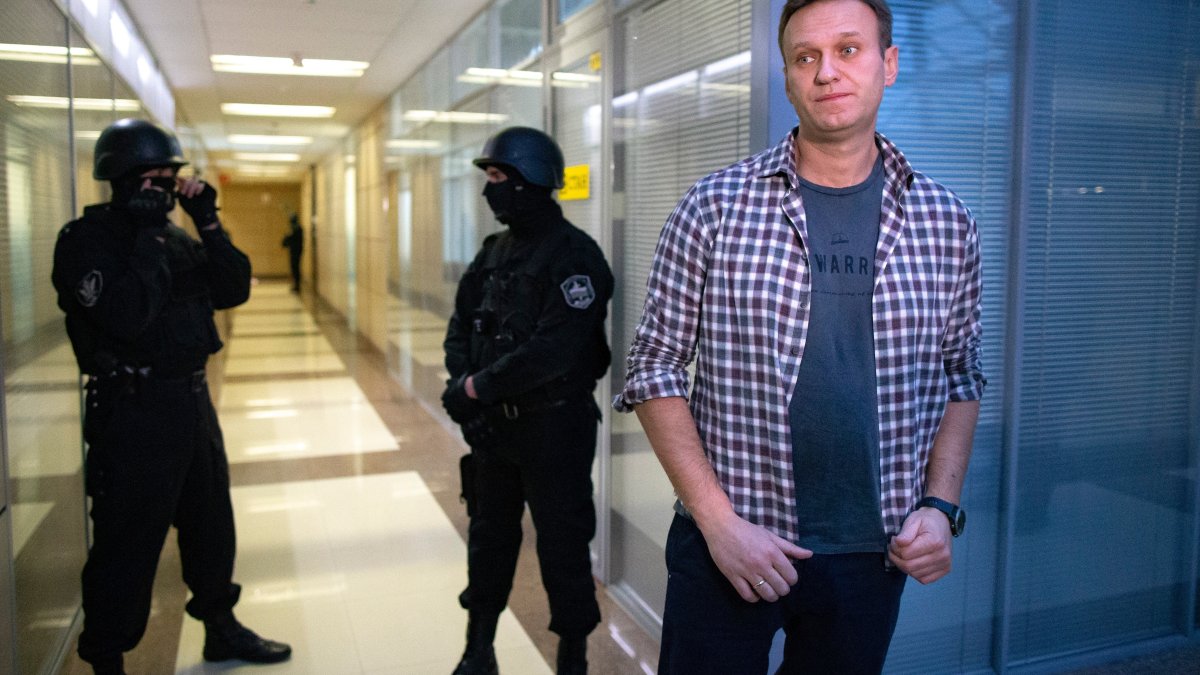
Russian opposition leader Alexei Navalny was reportedly poisoned by the Kremlin using a rare and deadly toxin found in the skin of poison dart frogs, according to five European countries. The foreign ministries of the U.K., France, Germany, Sweden, and the Netherlands stated that analysis of samples from Navalny's body confirmed the presence of epibatidine, a neurotoxin not naturally found in Russia but in dart frogs in South America. They accused Russia of having the means, motive, and opportunity to administer this poison, leading to a breach of the Chemical Weapons Convention.
As the second anniversary of Navalny's death approaches, his widow Yulia Navalnaya attended the Munich Security Conference in Germany. Navalny, a prominent critic of official corruption and President Vladimir Putin, died in a penal colony in 2024 while serving a politically motivated sentence. British Foreign Secretary Yvette Cooper condemned Russia for using such a despicable form of poison, highlighting the fear the Russian state has of political opposition.
Navalny's widow has been vocal in blaming Putin for her husband's death, stating that two independent labs confirmed he was poisoned before his death. She accused Putin of using chemical weapons to kill Navalny and called for him to be held accountable. Russian authorities claimed Navalny died from natural causes, despite evidence suggesting otherwise.
Epibatidine, similar to nerve agents, causes severe symptoms like shortness of breath, convulsions, seizures, and a slowed heart rate, ultimately leading to death. Navalny had previously been targeted in a 2020 poisoning attack, which he attributed to the Kremlin. The U.K. has accused Russia of violating international bans on chemical weapons, citing the 2018 Salisbury attack on former Russian intelligence officer Sergei Skripal with the nerve agent Novichok, which was believed to be authorized by President Putin.
The Kremlin has consistently denied involvement in these incidents, but the international community continues to hold Russia accountable for its alleged use of chemical weapons. The poisoning of Alexei Navalny has raised concerns about the lengths to which the Russian government will go to silence political opposition and critics.